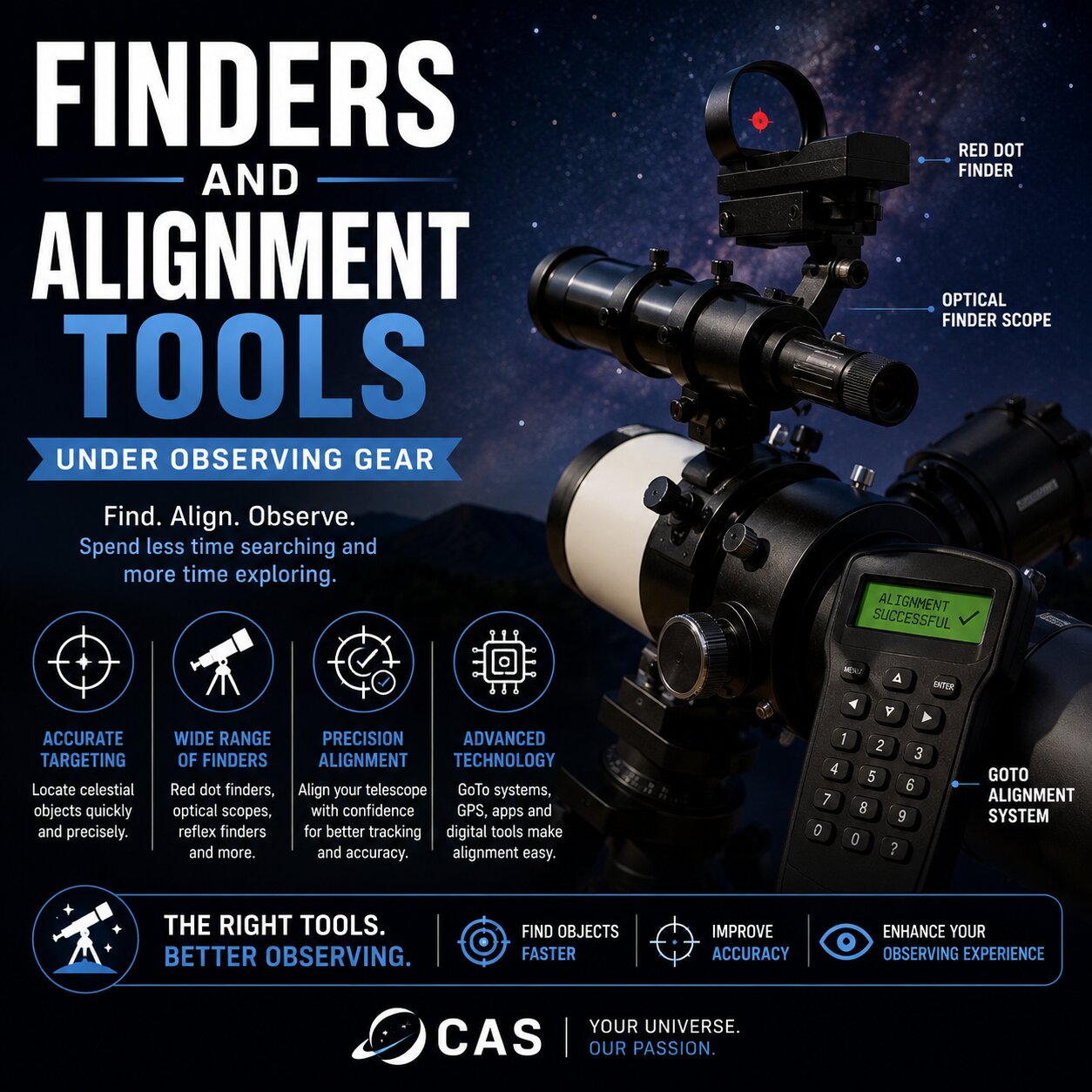

Whether you’re a beginner using your first telescope or an experienced astronomer exploring deep-sky objects, accurately aiming your telescope is one of the most important skills to develop. This is where finders and alignment tools become essential pieces of observing gear.
Designed to help astronomers locate celestial objects quickly and accurately, these tools improve the observing experience and reduce frustration during viewing sessions.
Understanding how finders and alignment tools work can help you choose the right equipment for your telescope and observing goals.
What are finders and alignment tools?
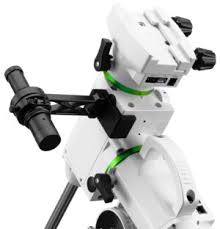
Finders and alignment tools assist astronomers in pointing telescopes towards specific objects in the night sky.
Because most telescopes provide a relatively narrow field of view, it can be difficult to locate targets directly through the main optical tube. Finder devices provide a wider field of view, making it easier to navigate the sky and position the telescope accurately.
Alignment tools are used to calibrate telescope mounts and tracking systems so that objects remain centred during observation.
Together, these accessories help observers spend less time searching and more time exploring.
Common types of finder devices
Several finder options are available to amateur astronomers.
Optical finder scopes
Optical finder scopes resemble miniature telescopes mounted on the main instrument. They usually provide low magnification and a wide field of view, making it easier to locate stars and celestial objects.
Many finder scopes include illuminated crosshairs that assist with accurate aiming.
Red dot finders
Red dot finders project a small illuminated dot onto a transparent screen. The observer simply places the dot over the target area of the sky.
These finders are lightweight, easy to use, and particularly popular among beginners.
Reflex finders
Reflex finders function similarly to red dot finders but often project circles or patterns instead of a single point.
They provide intuitive aiming and are especially useful for star-hopping techniques.
Laser pointers
Some astronomers use laser pointers attached to telescopes to indicate pointing direction.
These can be effective during public outreach events but should always be used responsibly and in compliance with local regulations.
Understanding telescope alignment
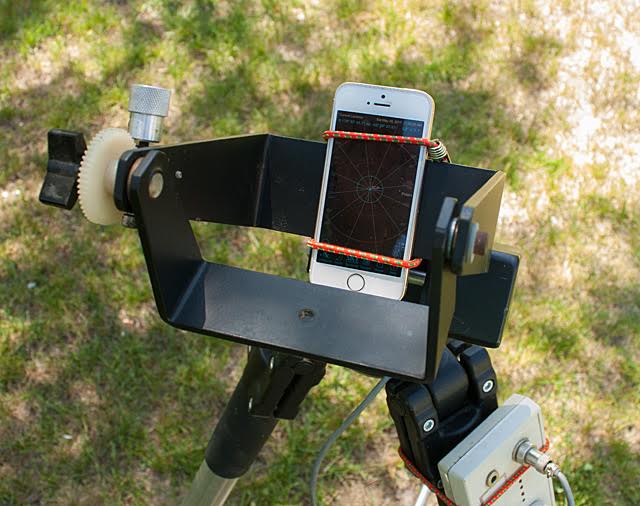
Modern GoTo telescopes rely on accurate alignment before they can automatically locate and track celestial objects.
Alignment involves teaching the telescope mount its position relative to the sky.
This process usually requires selecting and centring one or more bright stars.
Once aligned correctly, the mount can automatically navigate to thousands of objects stored in its database.
Accurate alignment improves tracking performance and object location accuracy throughout the observing session.
Digital alignment technologies
Technology has introduced several advanced alignment solutions for amateur astronomers.
Popular options include:
- GoTo mount alignment systems
- GPS-assisted telescope alignment
- Smartphone astronomy apps
- Electronic finder systems
- Plate-solving software
- Digital setting circles
These tools can dramatically reduce setup time and improve observing efficiency.
Many modern systems are capable of identifying telescope position automatically and guiding observers directly to their chosen targets.
Choosing the right finder and alignment setup

The best solution depends on your telescope, observing style, and experience level.
Beginners often benefit from simple red dot or reflex finders due to their ease of use.
Intermediate observers may prefer optical finder scopes for more precise star-hopping.
Advanced users frequently combine finder scopes, GoTo systems, and digital alignment technologies for maximum accuracy.
The goal is to select equipment that helps you spend more time observing and less time searching.
Improving your observing experience
Finders and alignment tools may not receive as much attention as eyepieces or telescope optics, but they play a vital role in successful astronomy sessions.
A well-aligned telescope and an effective finder system can transform the observing experience, making it easier to locate planets, star clusters, nebulae, galaxies, and other celestial wonders.
As your astronomy skills grow, investing in quality finders and alignment tools can significantly improve both efficiency and enjoyment under the night sky.
For anyone building an astronomy equipment collection, these accessories deserve a place near the top of the priority list.