Skip to content

Casual Astronomer

  • Home
  • Blog
  • Education
    • Solar System
    • Stars & Constellations
    • Galaxies
    • Deep Space Objects
    • Celestial Events
    • Sky Observations
    • Space Science
  • Exploration
    • Global News
    • Local News
    • Space Missions
    • Space Discoveries
    • Space Industry & Economy
  • Equipment
    • Observing Gear
    • Astrophotography
    • Software & Apps
    • Technology
    • Research
    • DIY & Modifications
  • Entertainment
    • Books
    • Games
    • Movies
    • TV Series
    • Comics & Graphic Novels
    • Toys & Collectables
    • Clothing & Merchandise
    • Art & Fan Creations
  • X
  • Facebook
  • Instagram
  • LinkedIn
Casual Astronomer home page

Exploring the Universe, One Galaxy at a Time

From breathtaking cosmic discoveries to the stories that spark our imagination, Casual Astronomy brings the universe a little closer to home. Whether you’re gazing up from your backyard or exploring the latest space missions, your journey through the stars starts here.

our Top Categories

deep space through our lens

Casual Astronomy Global News
Casual Astronomy Our Solar System
Casual Astronomy Celestial Events
Casual Astronomy Special Missions
Casual Astronomy Latest Technology

who we are

we are the astronomy community.

Southern Hemisphere

Located in Cape Town, South Africa

At Casual Astronomy, we’re more than just observers of the night sky; we’re a community of dreamers, explorers, and storytellers who find wonder in the universe above us.

Whether you’re just starting your stargazing journey or already navigating constellations with a telescope, our mission is to make astronomy approachable, inspiring, and endlessly exciting for everyone under the same sky.

our blog
latest articles

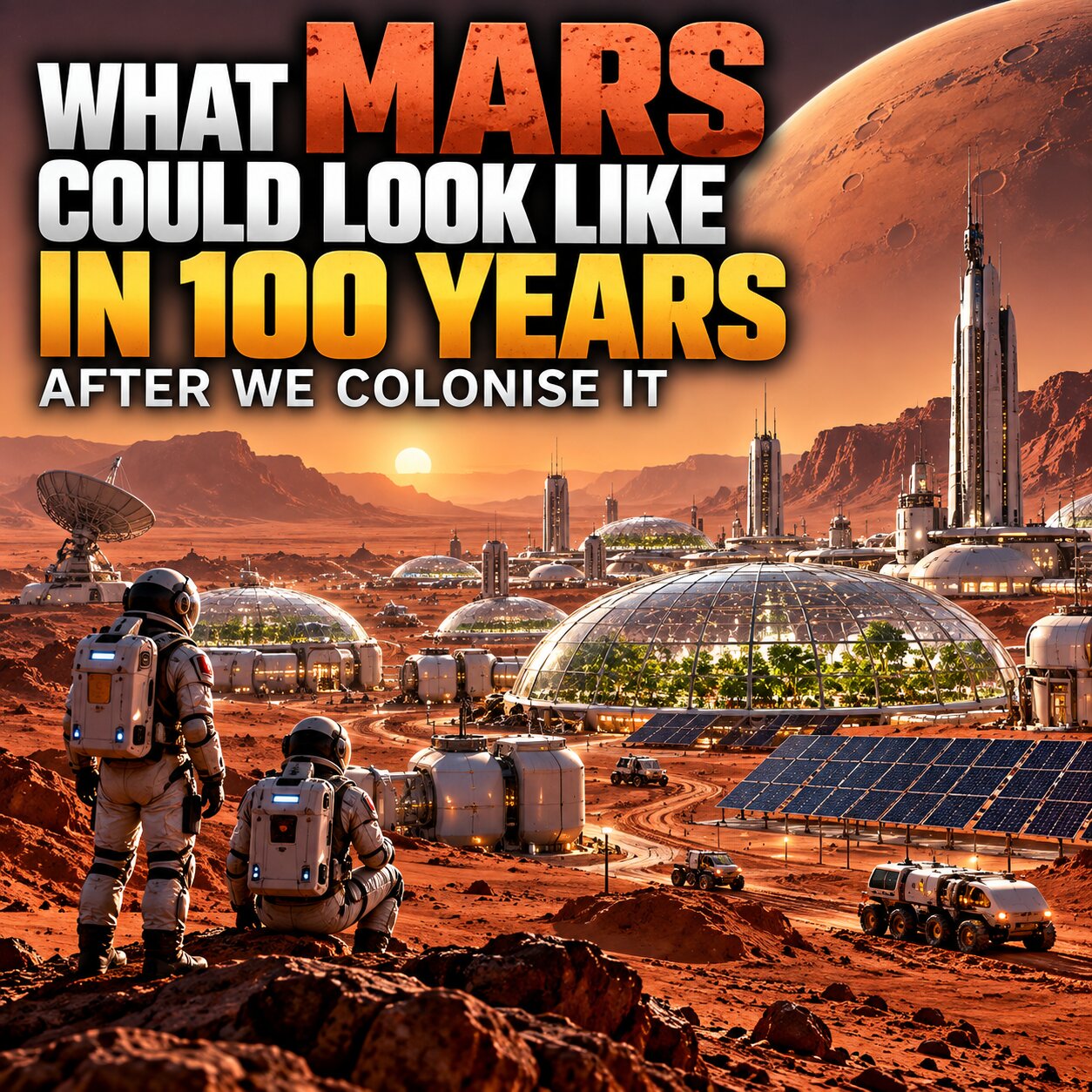
  • What Mars Could Look Like in 100 Years After We Colonise It main

    What Mars Could Look Like in 100 Years After We Colonise It

    From underground cities to flying transport and giant greenhouses, discover what a colonised Mars could realistically look like in 100 years.
    Read More: What Mars Could Look Like in 100 Years After We Colonise It
  • Blessed Sunday Week 41

    Blessed Sunday Week 41 – We Are Looking Into the Past

    Every time we look towards distant stars and galaxies, we are witnessing an ancient story written in light.
    Read More: Blessed Sunday Week 41 – We Are Looking Into the Past
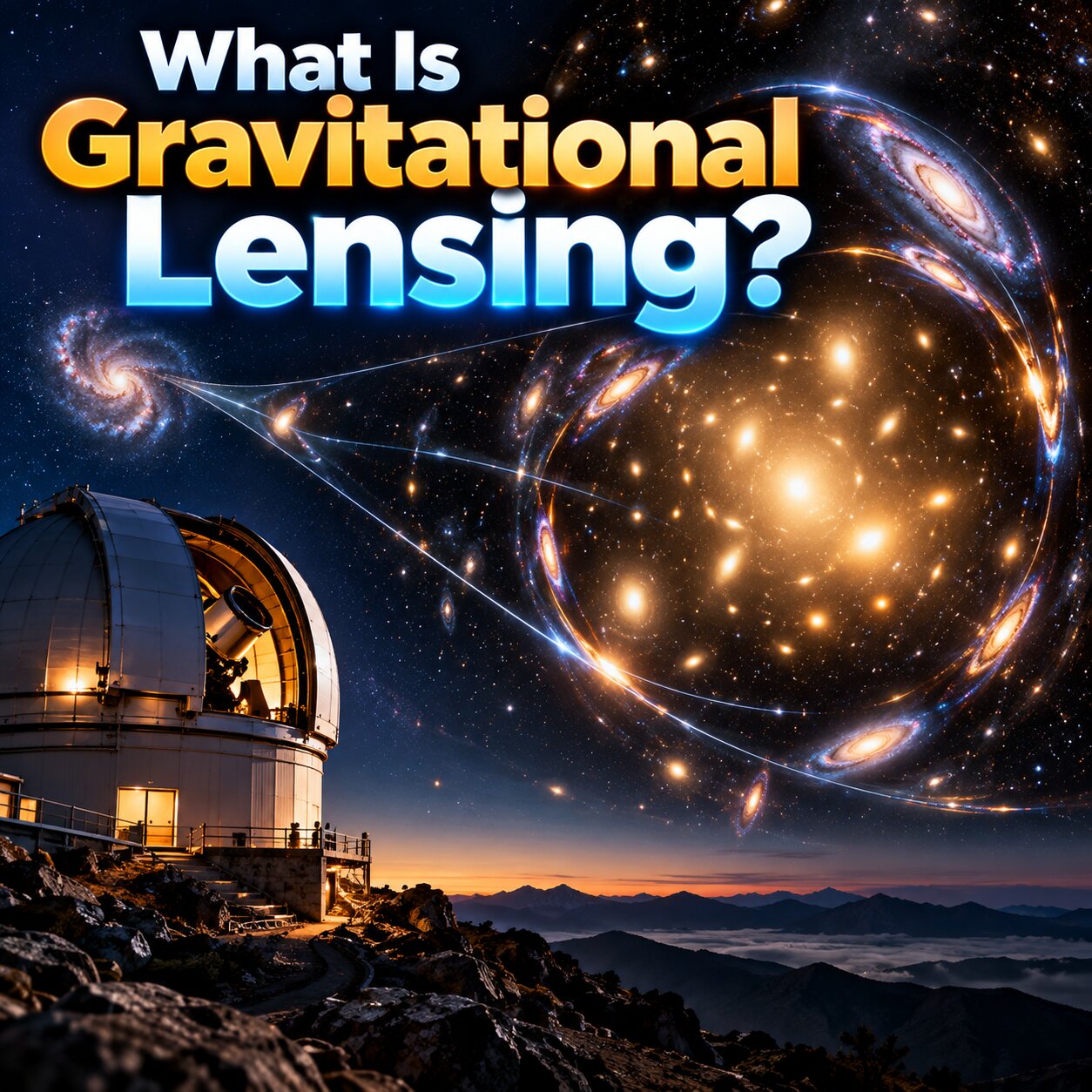
  • What Is Gravitational Lensing

    What Is Gravitational Lensing?

    Gravitational lensing turns massive cosmic objects into natural magnifying glasses, helping astronomers investigate distant galaxies, dark matter, and exoplanets.
    Read More: What Is Gravitational Lensing?
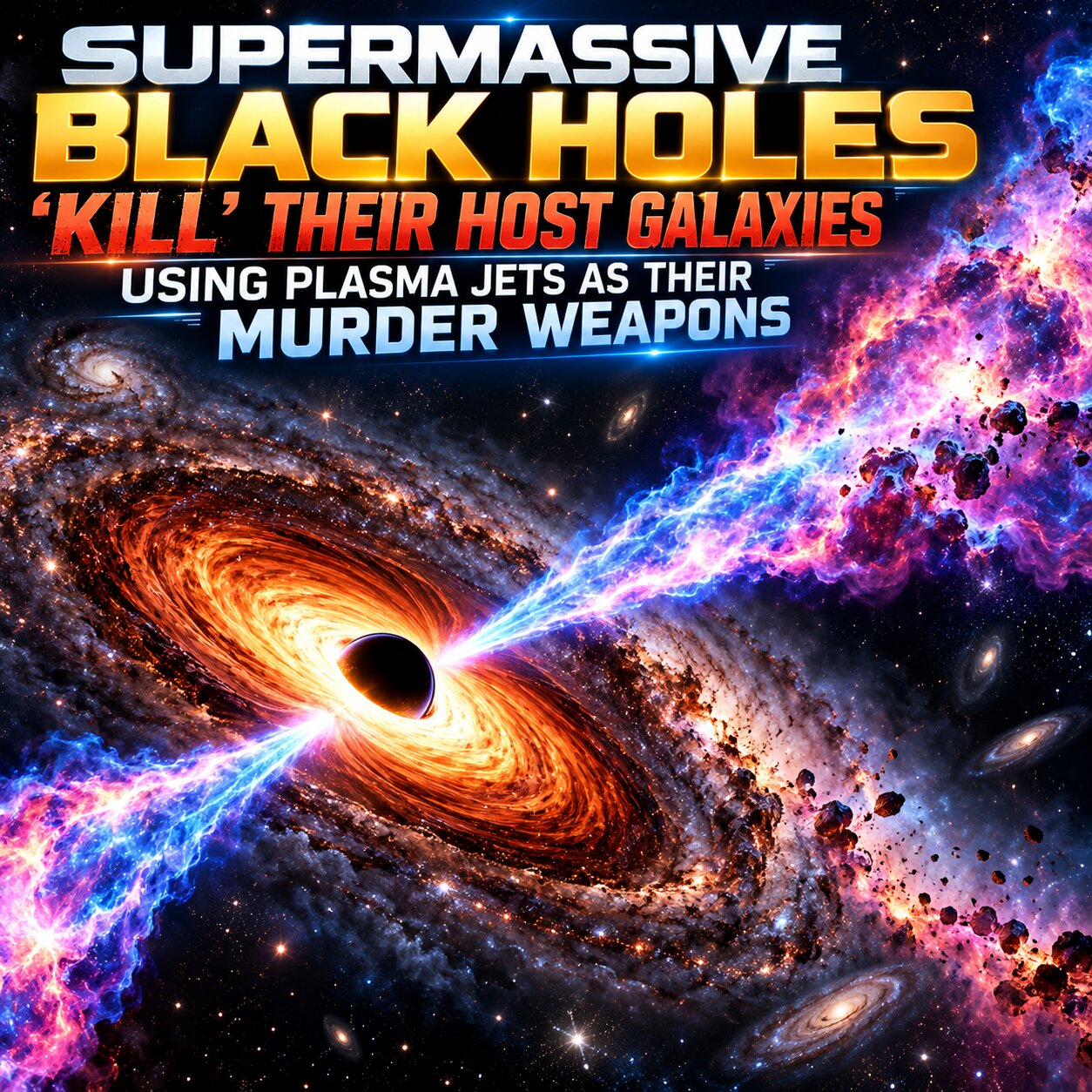
  • Supermassive Black Hole Jets May Help “Kill” Their Host Galaxies

    Supermassive Black Hole Jets May Help “Kill” Their Host Galaxies

    New research reveals how powerful plasma jets from supermassive black holes can disrupt surrounding gas and influence the fate of entire galaxies.
    Read More: Supermassive Black Hole Jets May Help “Kill” Their Host Galaxies
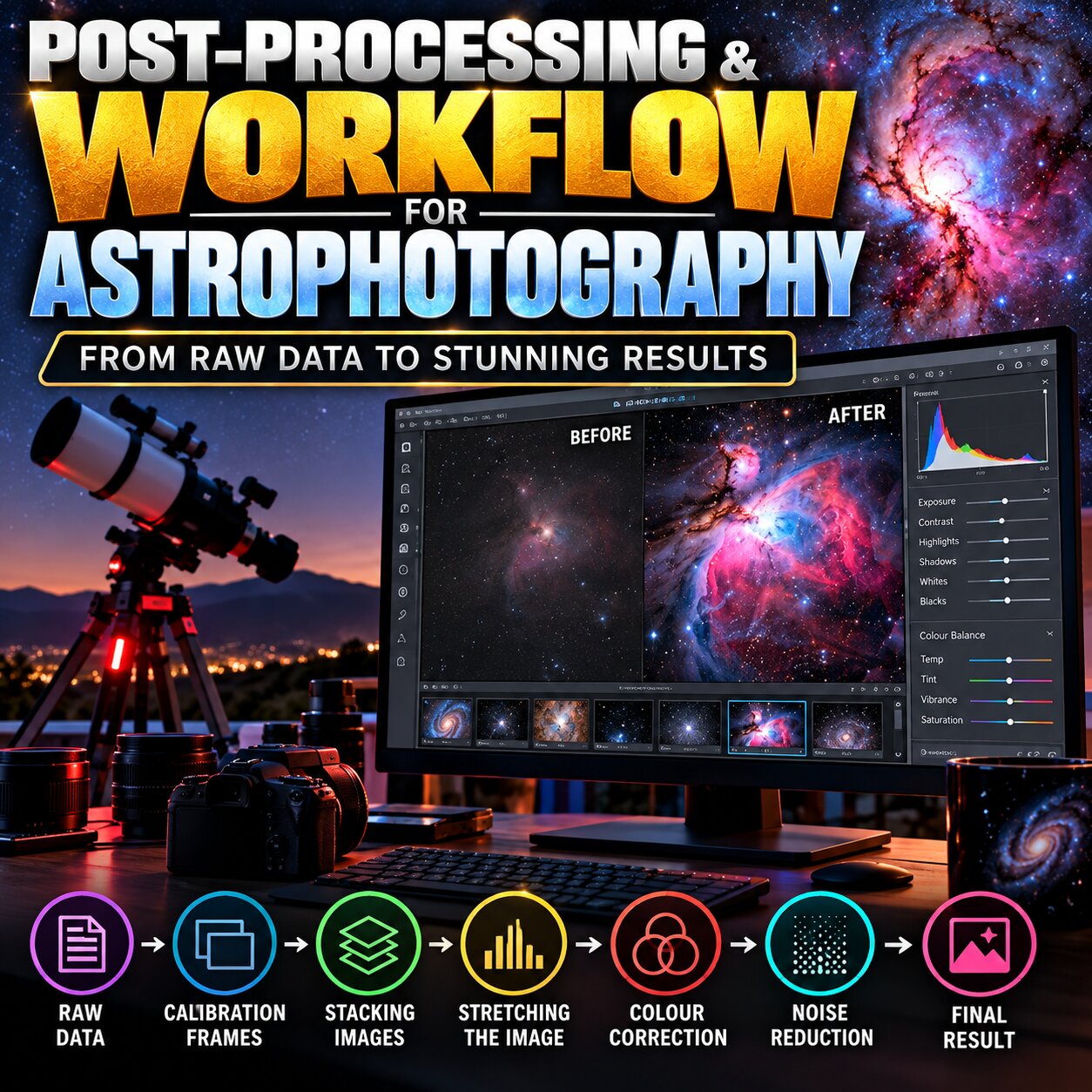
  • Post-Processing and Workflow for Astrophotography

    Post-Processing and Workflow for Astrophotography

    Discover how astrophotographers transform raw exposures into detailed images through calibration, stacking, processing and careful refinement.
    Read More: Post-Processing and Workflow for Astrophotography
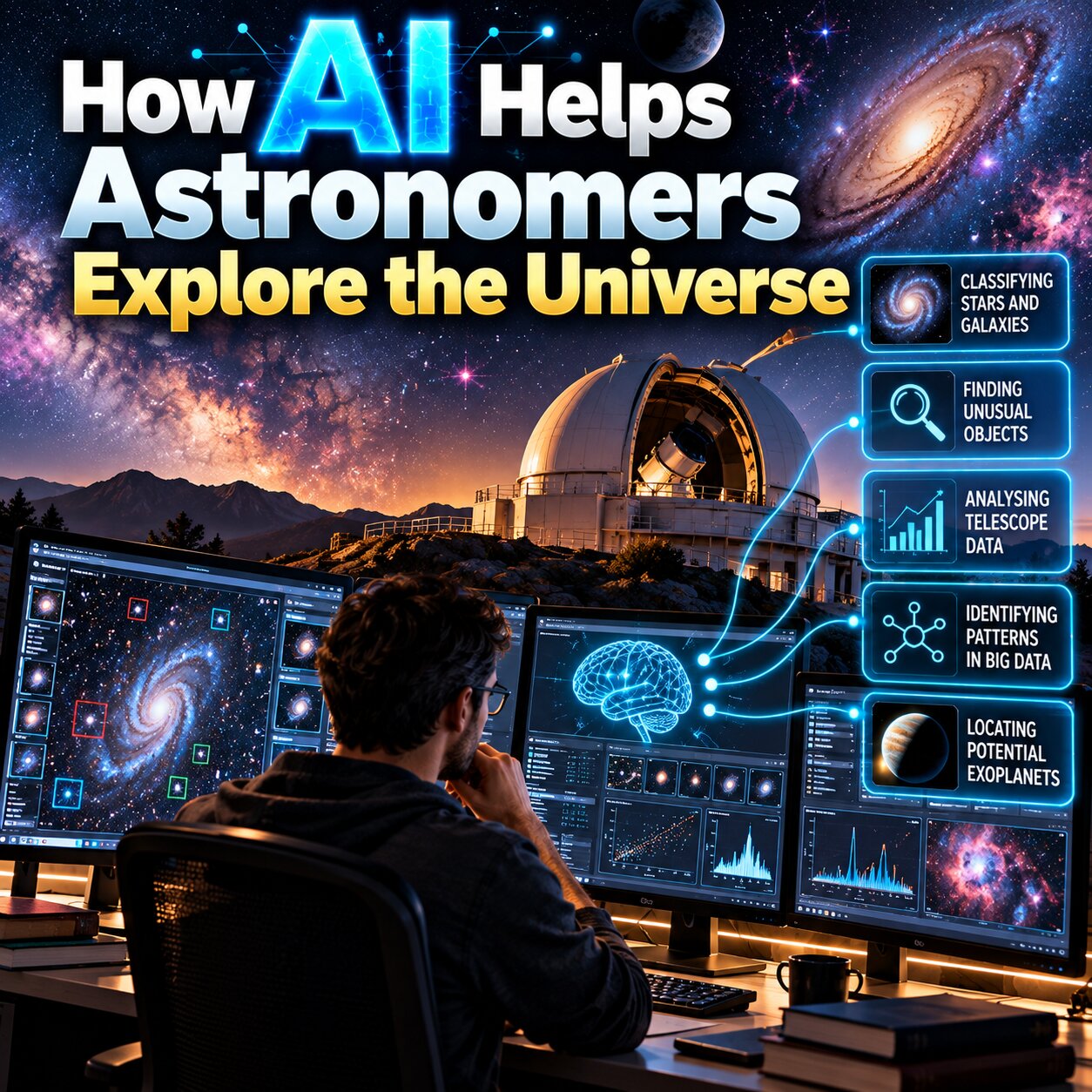
  • How AI Helps Astronomers Explore the Universe

    How AI Helps Astronomers Explore the Universe

    Artificial intelligence helps astronomers analyse enormous datasets, identify celestial objects and discover interesting patterns hidden within observations.
    Read More: How AI Helps Astronomers Explore the Universe
  • rocket lab

    Rocket Lab: From Small Rockets to an End-to-End Space Company

    Meet Rocket Lab, from its Electron small-launch rocket to Neutron, spacecraft systems and its expanding role in the global commercial space economy.
    Read More: Rocket Lab: From Small Rockets to an End-to-End Space Company
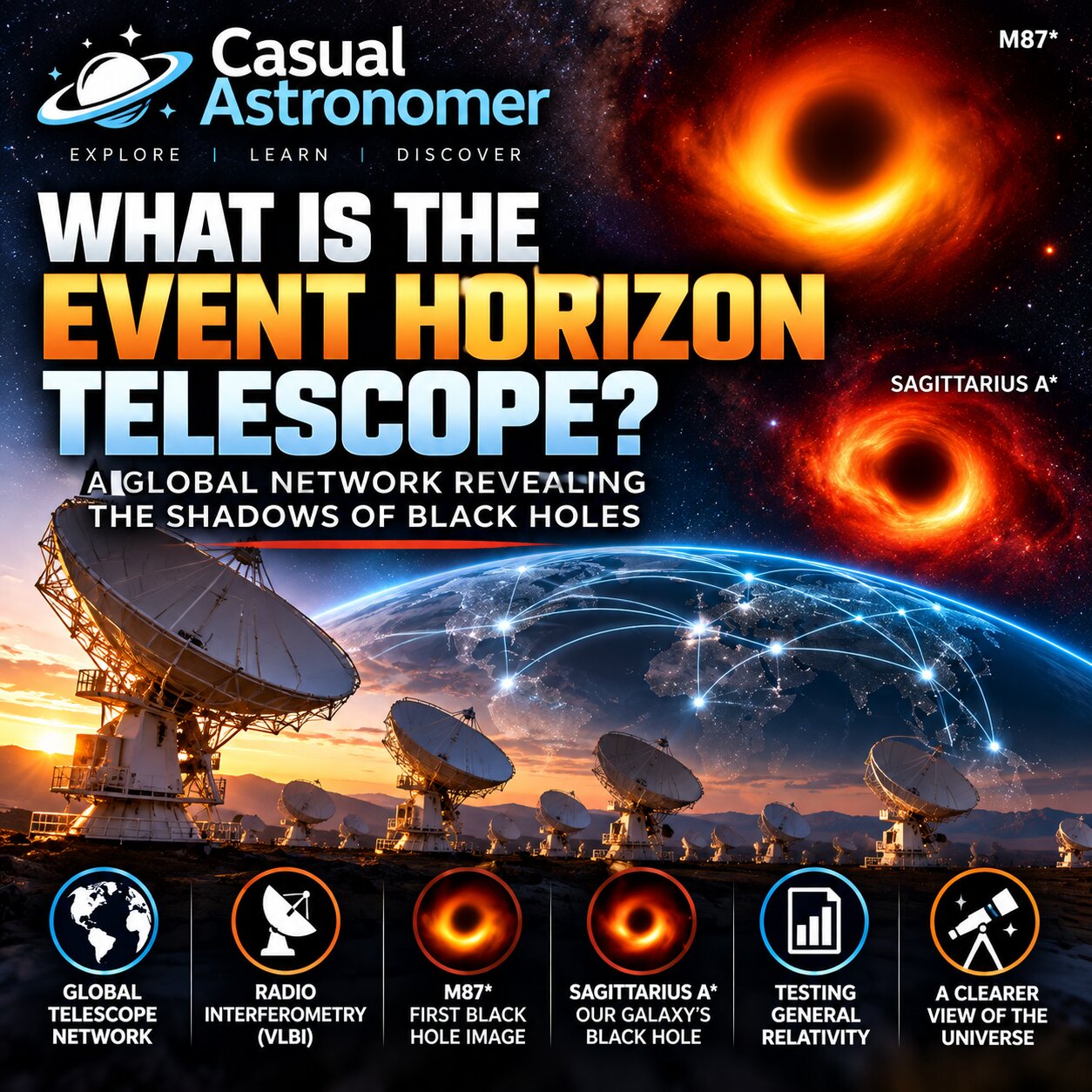
  • Learn how the Event Horizon Telescope turns Earth into a virtual telescope to study M87*, Sagittarius A* and the environments around black holes.
    What Is the Event Horizon Telescope?

    Learn how the Event Horizon Telescope turns Earth into a virtual telescope to study M87*, Sagittarius A* and the environments around black holes.

    Read More: What Is the Event Horizon Telescope?
  • Blessed Sunday Week 40

    Blessed Sunday Week 40: Looking Up Changes Perspective

    Look towards the stars this Sunday and take a moment to appreciate our extraordinary place within the universe.
    Read More: Blessed Sunday Week 40: Looking Up Changes Perspective
  • What Would Happen If Earth Stopped Spinning?

    What Would Happen If Earth Stopped Spinning?

    If Earth suddenly stopped rotating, the consequences would be extraordinary. Discover what would happen to the atmosphere, oceans, daylight cycle and planet itself.

    Read More: What Would Happen If Earth Stopped Spinning?
Casual Astronomer Logo updated

Casual Astronomer

Your daily orbit through space, science, and wonder.

spaceadmin@casualastronomer.com

Parow, Cape Town, South Africa

quick links

  • home
  • about us
  • Privacy Policy
  • contact us

Primary Categories

  • Global News
  • Solar System
  • Celestial Events
  • Space Missions
  • Latest Technology

External Sources

  • National Aeronautics and Space Administration (NASA)
  • European Space Agency (ESA)
  • South African Astronomical Observatory (SAAO)
  • South African National Space Agency (SANSA)
  • SKA Observatory

Copyright ©2025 Celenic Earth Publications