-
The Darkest Places in the Universe
From star-blocking nebulae to enormous cosmic voids, discover why the universe’s darkest regions are among its most fascinating mysteries.
-
The Blood Moon Myth: Why the Moon Sometimes Turns Red
Why does the Moon sometimes turn blood red? Explore the science of lunar eclipses, atmospheric scattering and the ancient myths…
-
What Would Happen if Earth Had Rings Like Saturn?
Imagine Saturn’s spectacular rings surrounding Earth. Discover how they could change our night skies, climate and space exploration.
-

5 Things You Might Not Know About Venus
Venus is one of our Solar System’s strangest planets. Explore five incredible facts about Earth’s mysterious planetary neighbour.
-
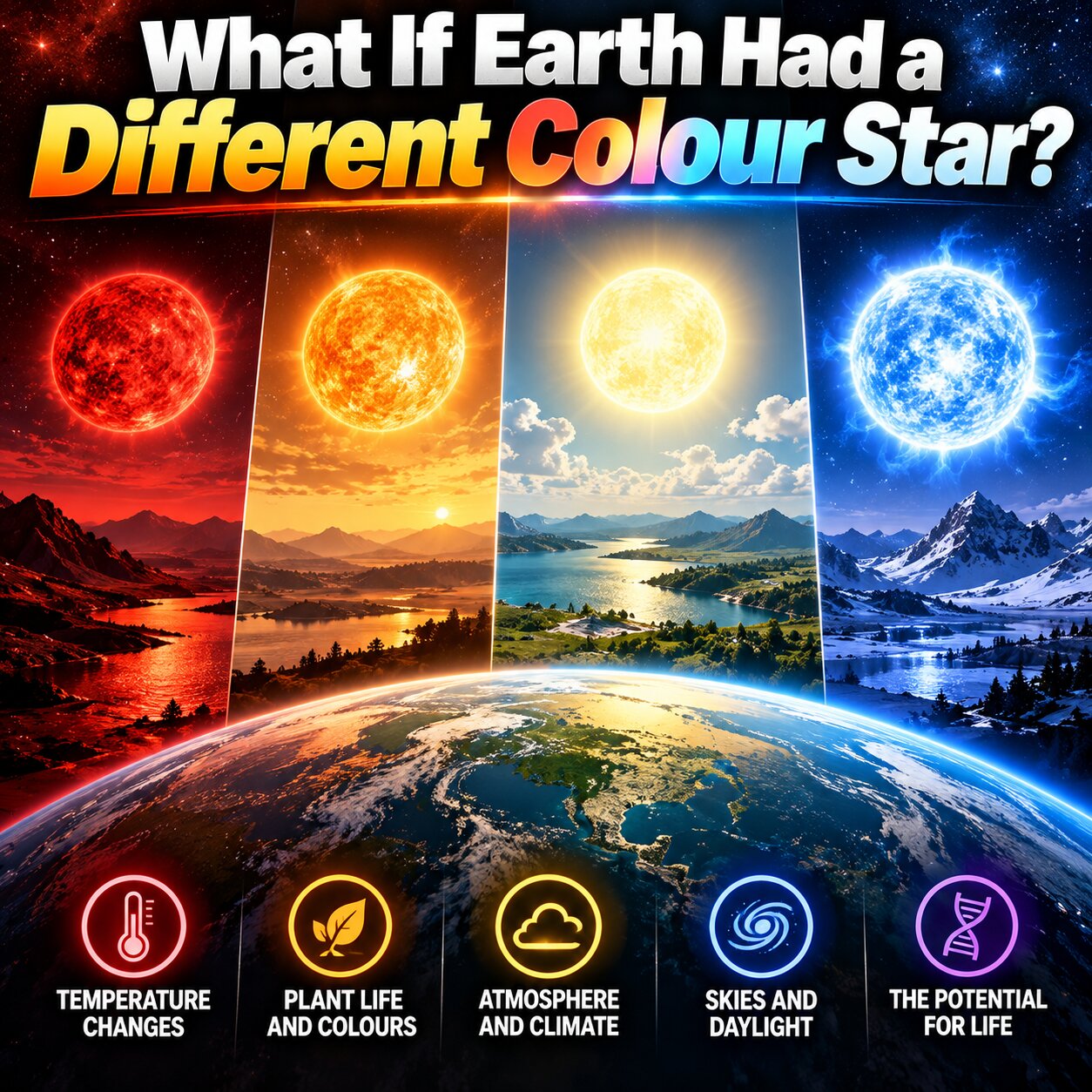
What If Earth Had a Different Colour Star?
Imagine Earth beneath a red, orange or blue sun! Discover how different stars could transform daylight, planetary conditions and the…
-
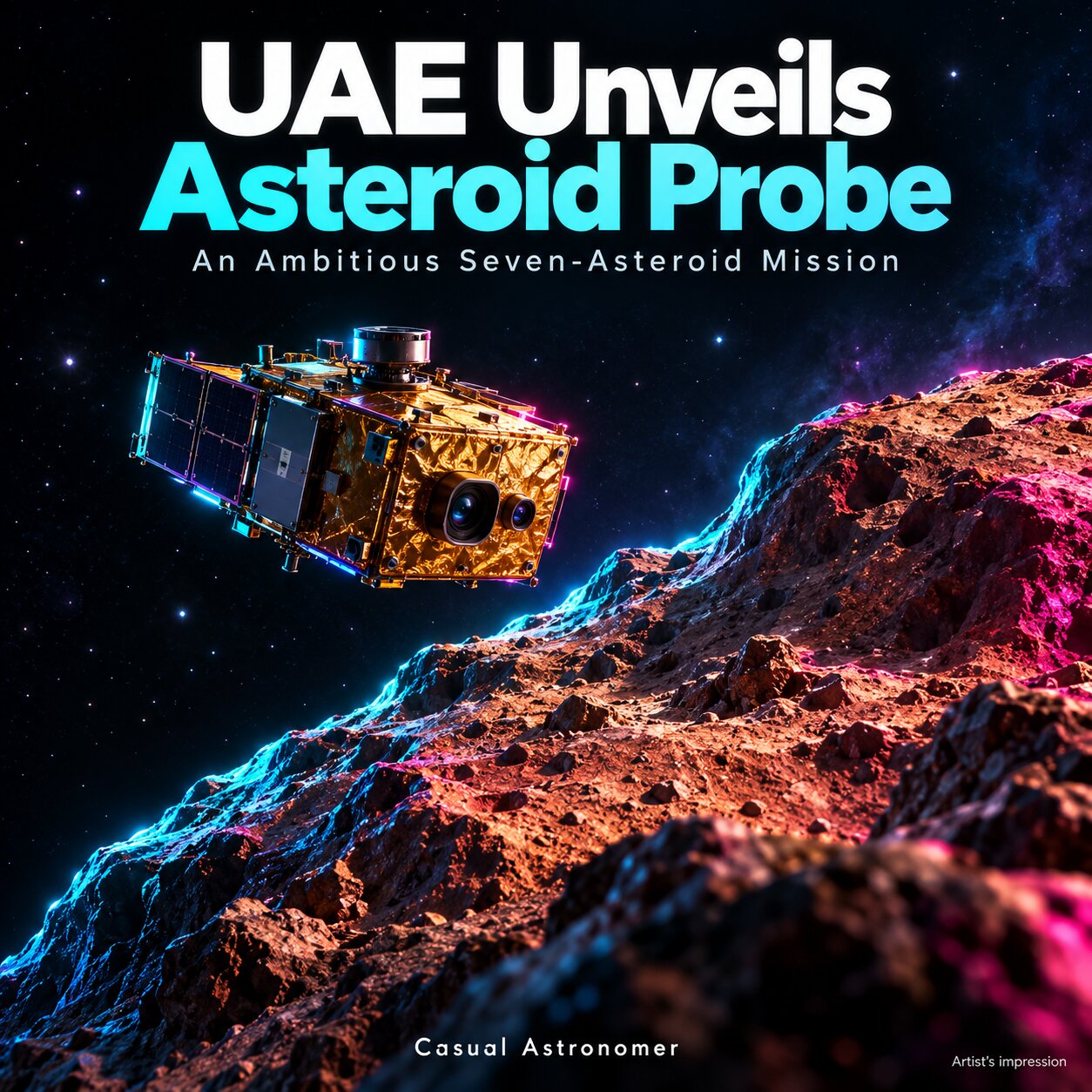
UAE Unveils Asteroid Probe for Ambitious Seven-Asteroid Mission
The UAE’s new asteroid probe will accompany an ambitious seven-asteroid mission, aiming to reveal clues about the early Solar System…
-
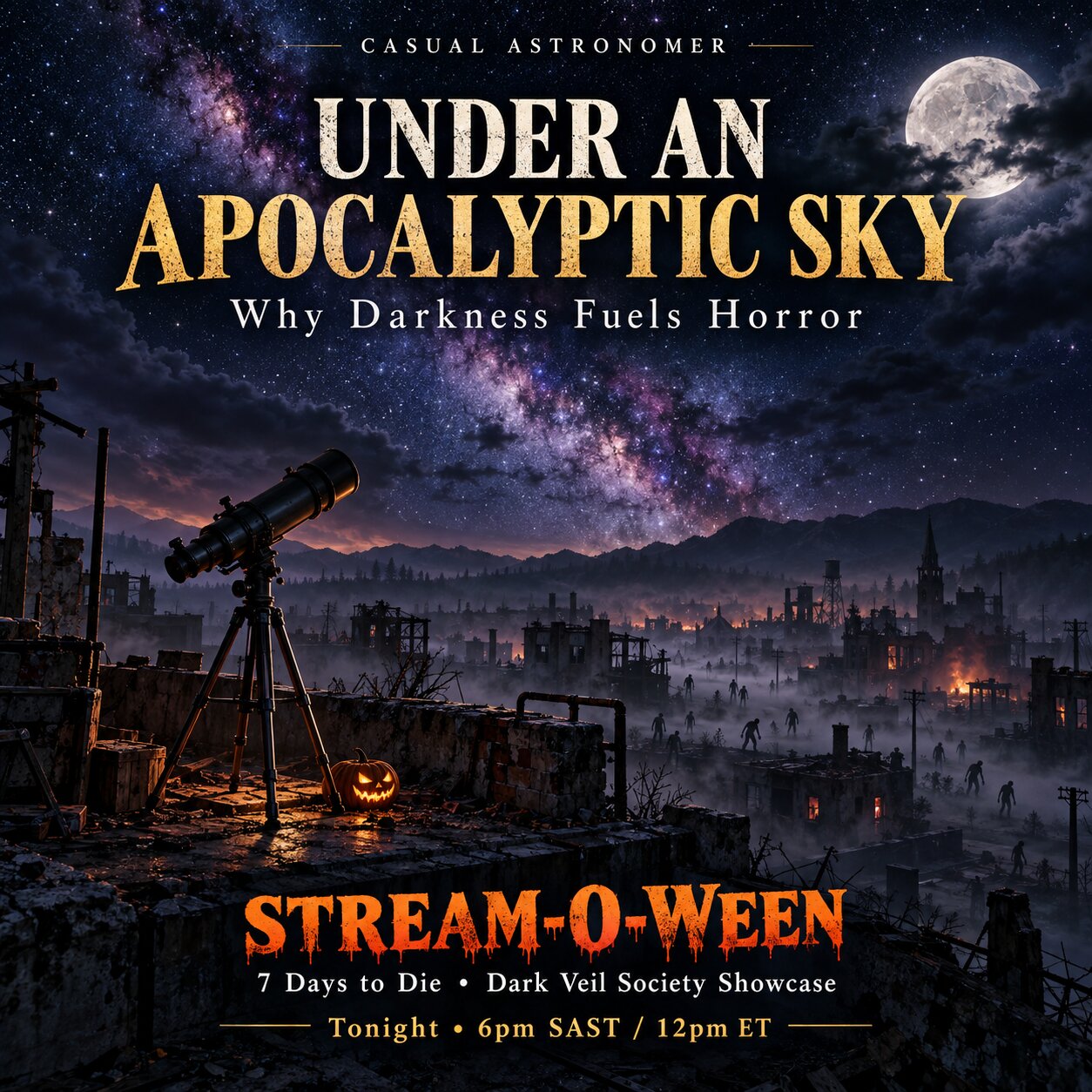
Under an Apocalyptic Sky: Why Darkness Fuels Horror
From ominous moonlight to skies without streetlights, explore the connection between astronomy and horror before tonight’s Stream-O-Ween survival gaming showcase.
-
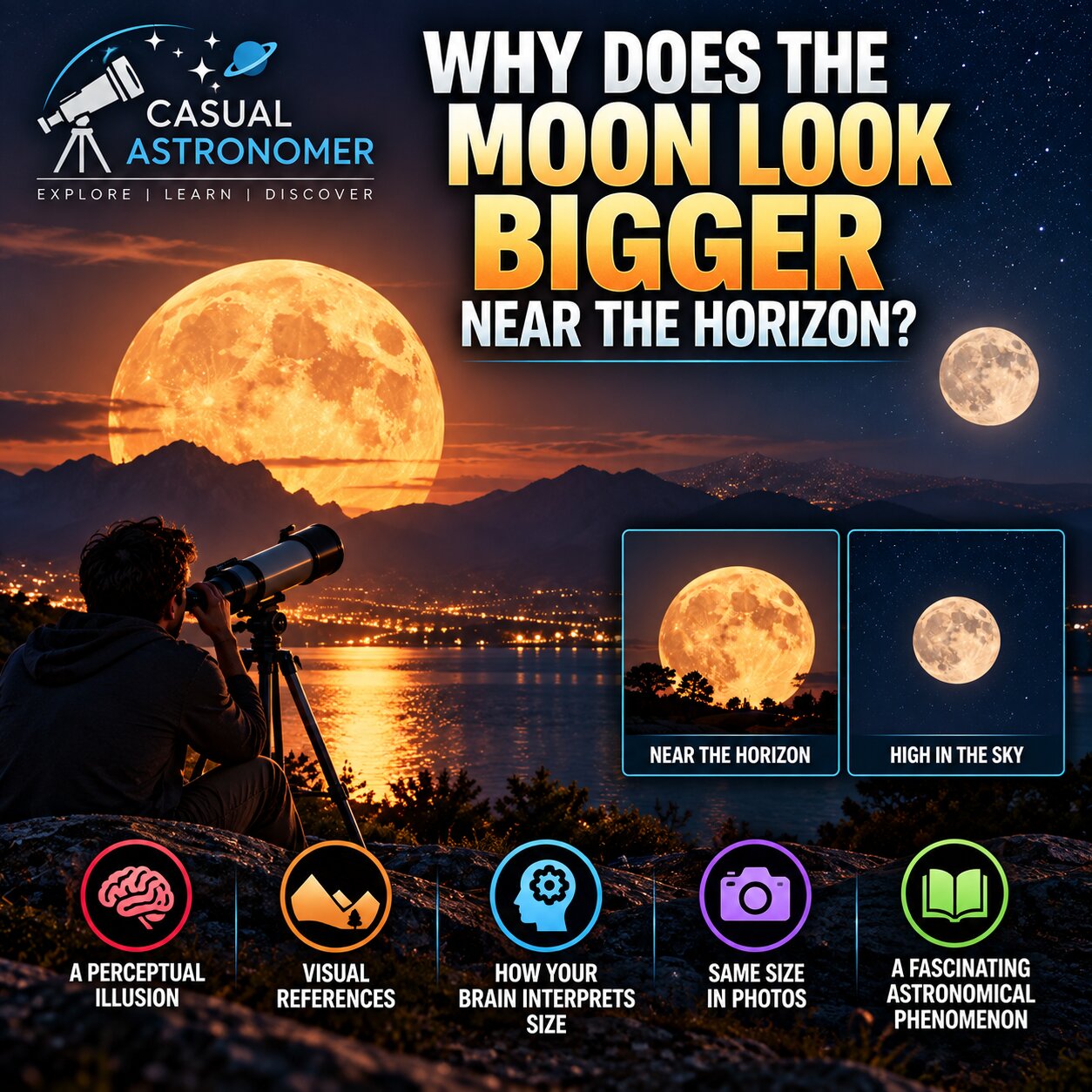
Why Does the Moon Look Bigger Near the Horizon?
The Moon can appear enormous near the horizon, but it hasn’t suddenly grown. Your perception is creating a fascinating astronomical…
-
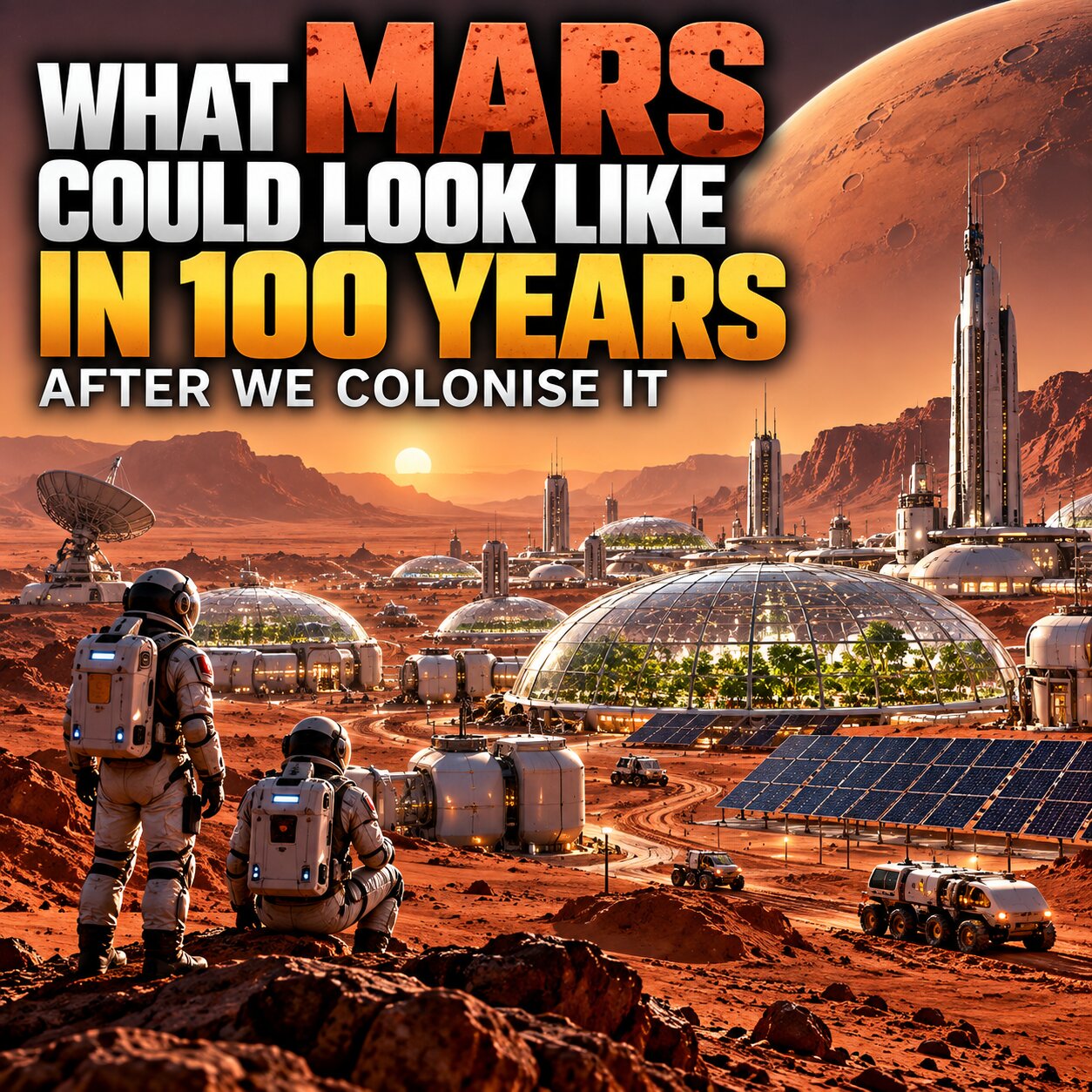
What Mars Could Look Like in 100 Years After We Colonise It
From underground cities to flying transport and giant greenhouses, discover what a colonised Mars could realistically look like in 100…
-
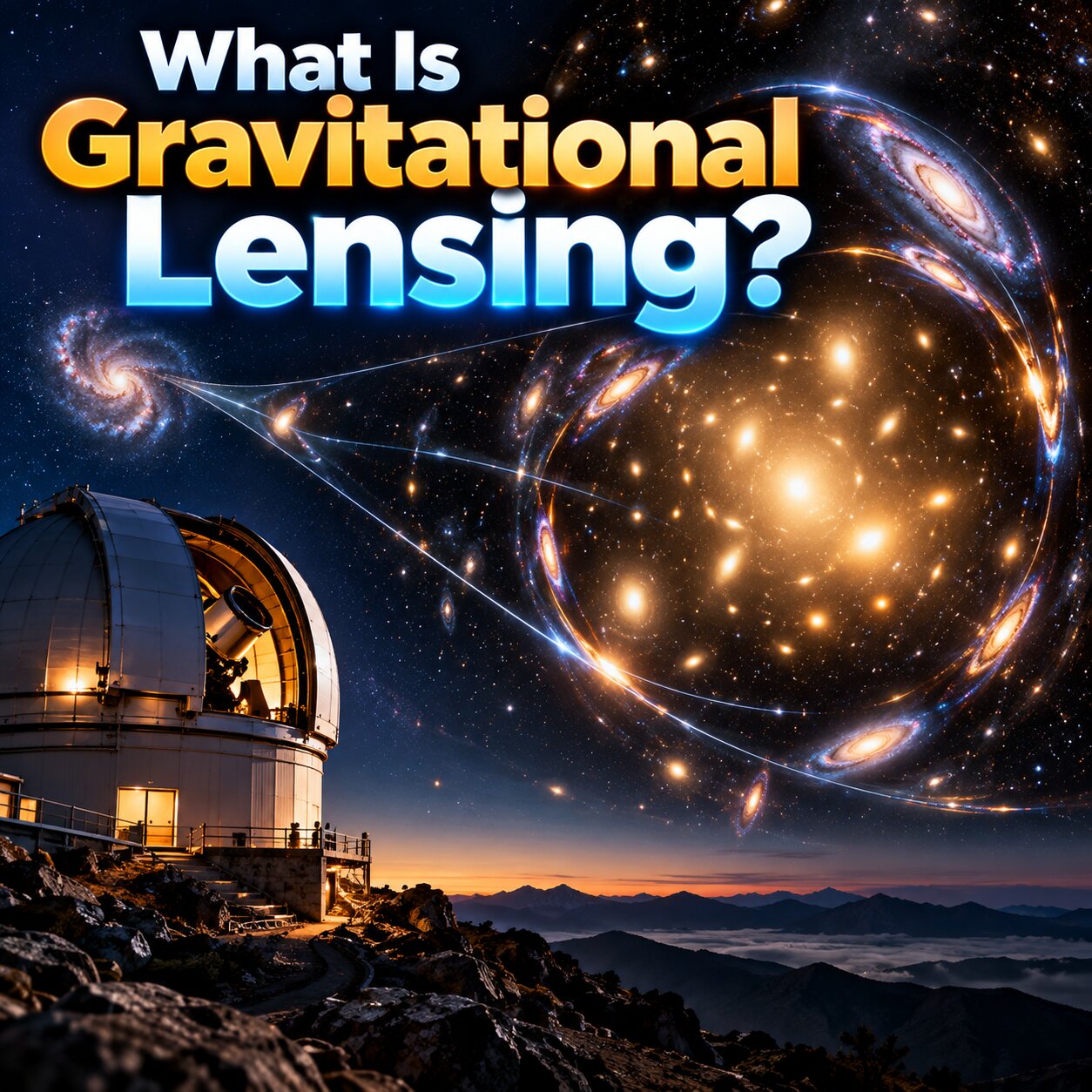
What Is Gravitational Lensing?
Gravitational lensing turns massive cosmic objects into natural magnifying glasses, helping astronomers investigate distant galaxies, dark matter, and exoplanets.
-
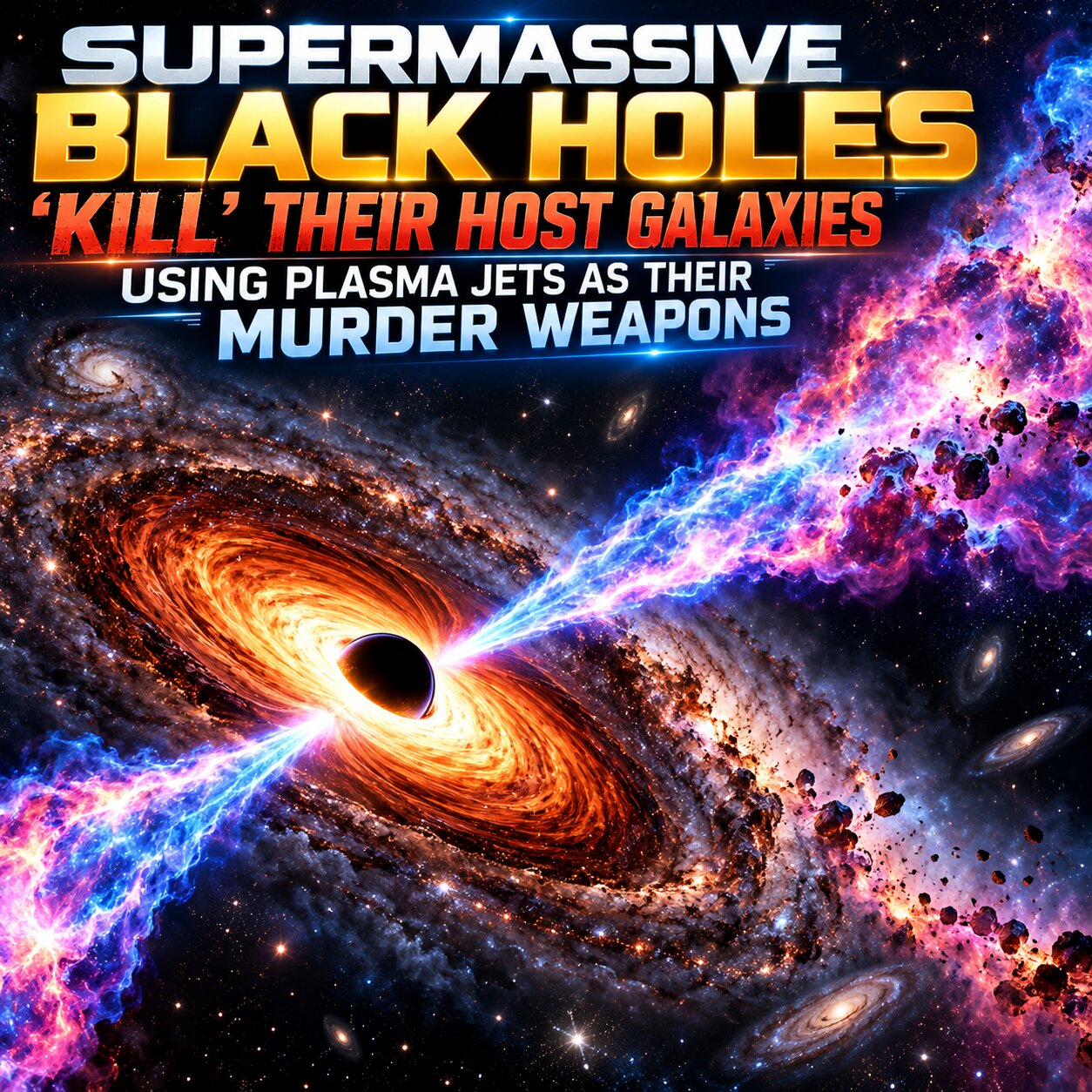
Supermassive Black Hole Jets May Help “Kill” Their Host Galaxies
New research reveals how powerful plasma jets from supermassive black holes can disrupt surrounding gas and influence the fate of…
-
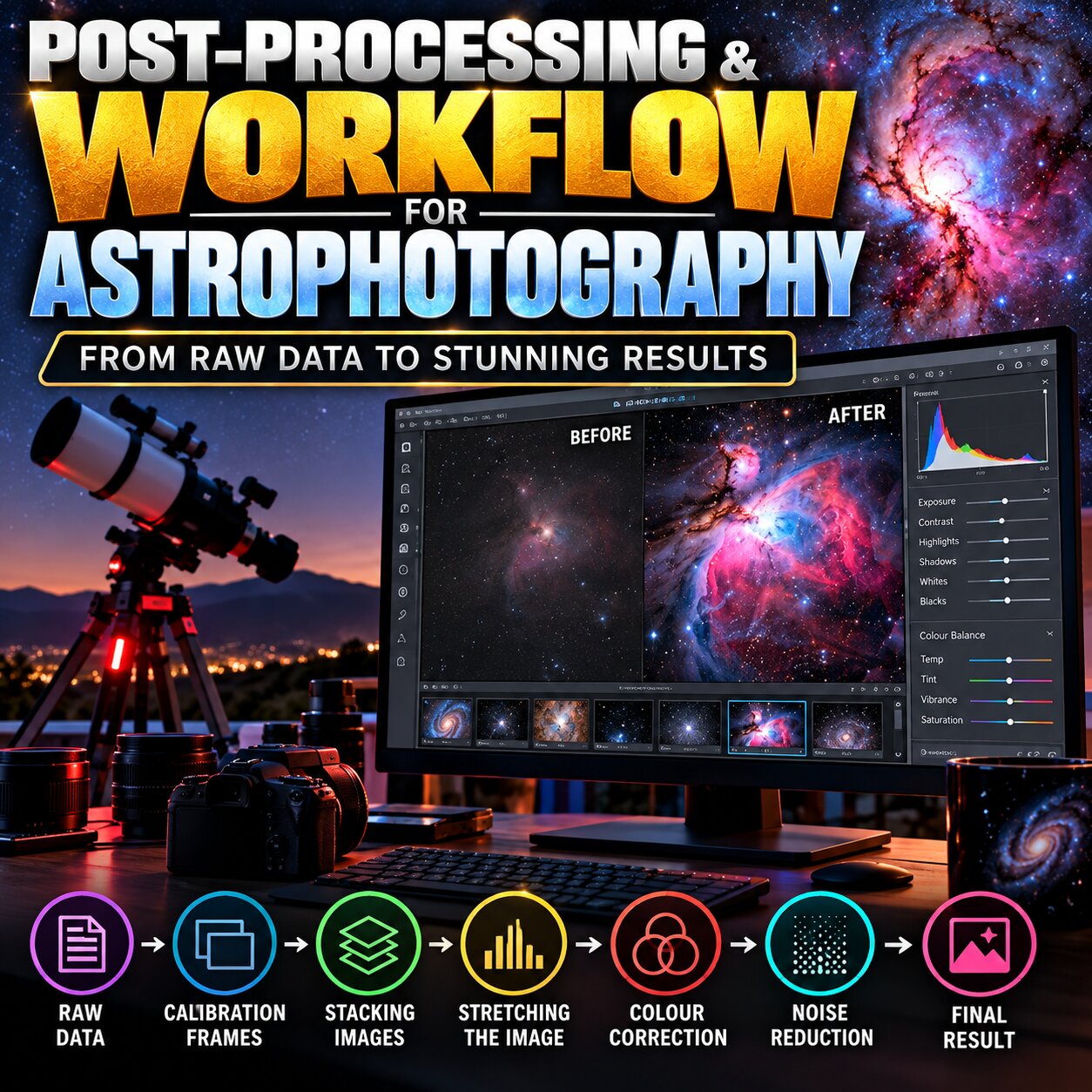
Post-Processing and Workflow for Astrophotography
Discover how astrophotographers transform raw exposures into detailed images through calibration, stacking, processing and careful refinement.
