NASA has confirmed a major change to the architecture of its Space Launch System (SLS) rocket by selecting United Launch Alliance’s Centaur 5 upper stage for future missions. The decision will take effect beginning with the Artemis 4 mission, which is currently scheduled to launch no earlier than 2028.
The Centaur 5 upper stage was originally developed for United Launch Alliance’s Vulcan rocket and has already demonstrated strong performance during multiple launches since its debut in 2024. NASA believes adopting this proven stage will help streamline SLS operations and reduce the complexity of future missions.
This shift reflects a broader strategy by NASA leadership to standardise the SLS fleet into a configuration closer to the current Block 1 rocket design, while improving manufacturing efficiency and increasing launch cadence.
The decision marks a significant adjustment to the long-term plans for the Artemis program and how the SLS rocket will evolve in the coming years.
Why NASA Chose Centaur 5
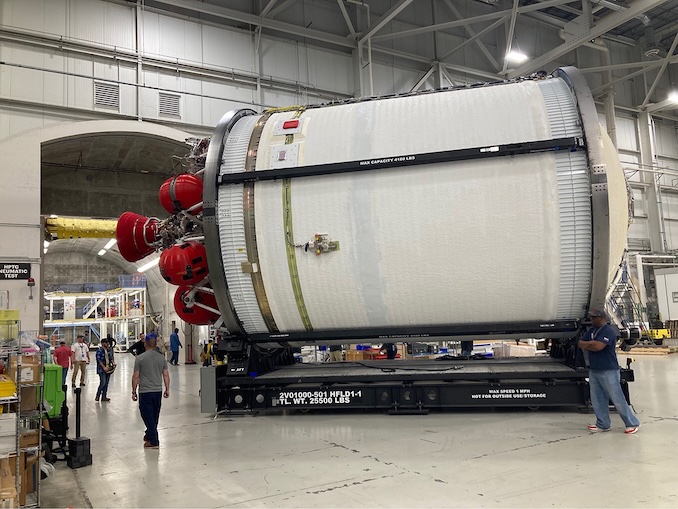
The Centaur 5 upper stage brings several advantages that made it an attractive option for NASA’s future SLS missions. The stage uses liquid hydrogen and liquid oxygen propellants and is powered by the long-established RL10 engine, which has decades of successful flight history.
NASA officials stated that adopting the Centaur 5 allows the agency to leverage existing infrastructure already used in current launch operations. The stage can interface with the Mobile Launcher 1 platform and other ground systems at Kennedy Space Center with relatively minor adjustments.
Another factor influencing the decision is operational experience. United Launch Alliance teams have worked closely with NASA’s Exploration Ground Systems program, giving them extensive familiarity with launch site procedures and systems.
By using an existing upper stage rather than developing an entirely new one, NASA hopes to reduce technical risk while accelerating mission timelines.
Key Reasons Behind The Decision
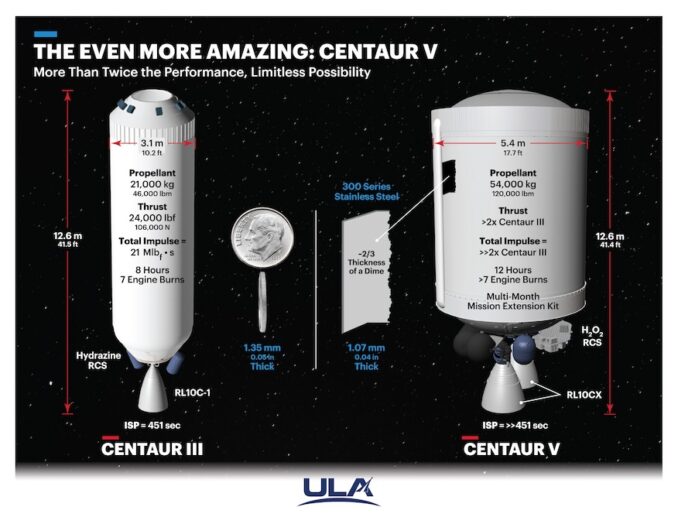
NASA cited several technical and operational factors in selecting Centaur 5 as the future upper stage for SLS.
These include:
- Proven reliability of the RL10 engine family
- Compatibility with existing Mobile Launcher 1 infrastructure
- Experience of ULA teams working with NASA ground systems
- Reduced development risk compared to new hardware
- Ability to support accelerated launch schedules
These advantages allow NASA to integrate the Centaur 5 stage with relatively small modifications compared to building a new system from scratch.
Officials also noted that alternative solutions would have required extensive redesigns to launch infrastructure or significant additional development work.
What Happened To The Exploration Upper Stage
NASA had originally planned to introduce the Exploration Upper Stage (EUS) beginning with the Artemis 4 mission. The stage was being developed by Boeing and was intended to significantly increase the payload capacity of the SLS rocket.
Under the previous plan, the upgraded SLS Block 1B configuration would allow up to 11 metric tons more cargo to reach the Moon compared to the earlier Block 1 design.
However, development of the Exploration Upper Stage has faced significant delays and rising costs. A 2024 report from NASA’s Office of Inspector General highlighted schedule issues and quality control problems during manufacturing at the Michoud Assembly Facility in Louisiana.
Cost projections for the Block 1B system also grew substantially, with estimates suggesting that development expenses could exceed $5.7 billion before the system was ready to launch.
Why Other Upper Stage Options Were Rejected
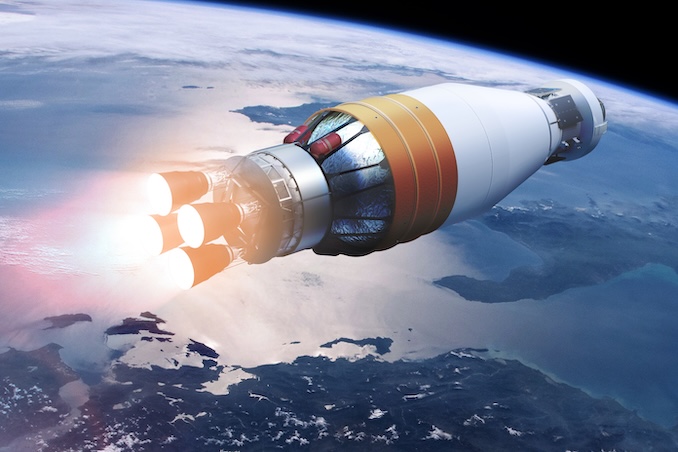
NASA also evaluated other potential upper stage concepts before finalising the decision to use Centaur 5. One possible alternative involved adapting the New Glenn upper stage developed by Blue Origin.
However, NASA determined that integrating the New Glenn stage with the existing SLS launch infrastructure would require significant modifications. Changes would likely be needed to the Mobile Launcher structure, crew access systems, and upper-stage interfaces.
In addition, adapting the New Glenn stage would require additional development and testing to ensure compatibility with the SLS rocket. These changes would introduce schedule risks that could delay Artemis missions.
Because the Centaur 5 upper stage already meets many of NASA’s performance and compatibility requirements, the agency decided it offered the most practical path forward.
News Source: Space Flight Now
What This Means For The Artemis Program
The adoption of the Centaur 5 upper stage signals a shift toward simplifying the design of the Space Launch System while maintaining its ability to support lunar missions.
NASA’s leadership has emphasised the need to reduce program complexity while improving manufacturing efficiency and increasing launch frequency. These changes are intended to support long-term Artemis goals, including sustained human presence on the Moon.
By using a proven upper stage already flying on Vulcan rockets, NASA hopes to reduce technical risk while keeping Artemis missions on schedule.
As preparations continue for upcoming lunar missions, the integration of Centaur 5 could play a key role in shaping the next phase of the Space Launch System and the future of human exploration beyond Earth.