NASA has announced that its next-generation observatory, the Nancy Grace Roman Space Telescope, is now fully assembled and ready for final testing, marking a major milestone in one of the agency’s most ambitious space missions.
The telescope will be unveiled during a special media event at the Goddard Space Flight Center on April 21, giving the public and press one of the last opportunities to see the complete observatory before launch preparations begin.
A major milestone for NASA’s next flagship mission
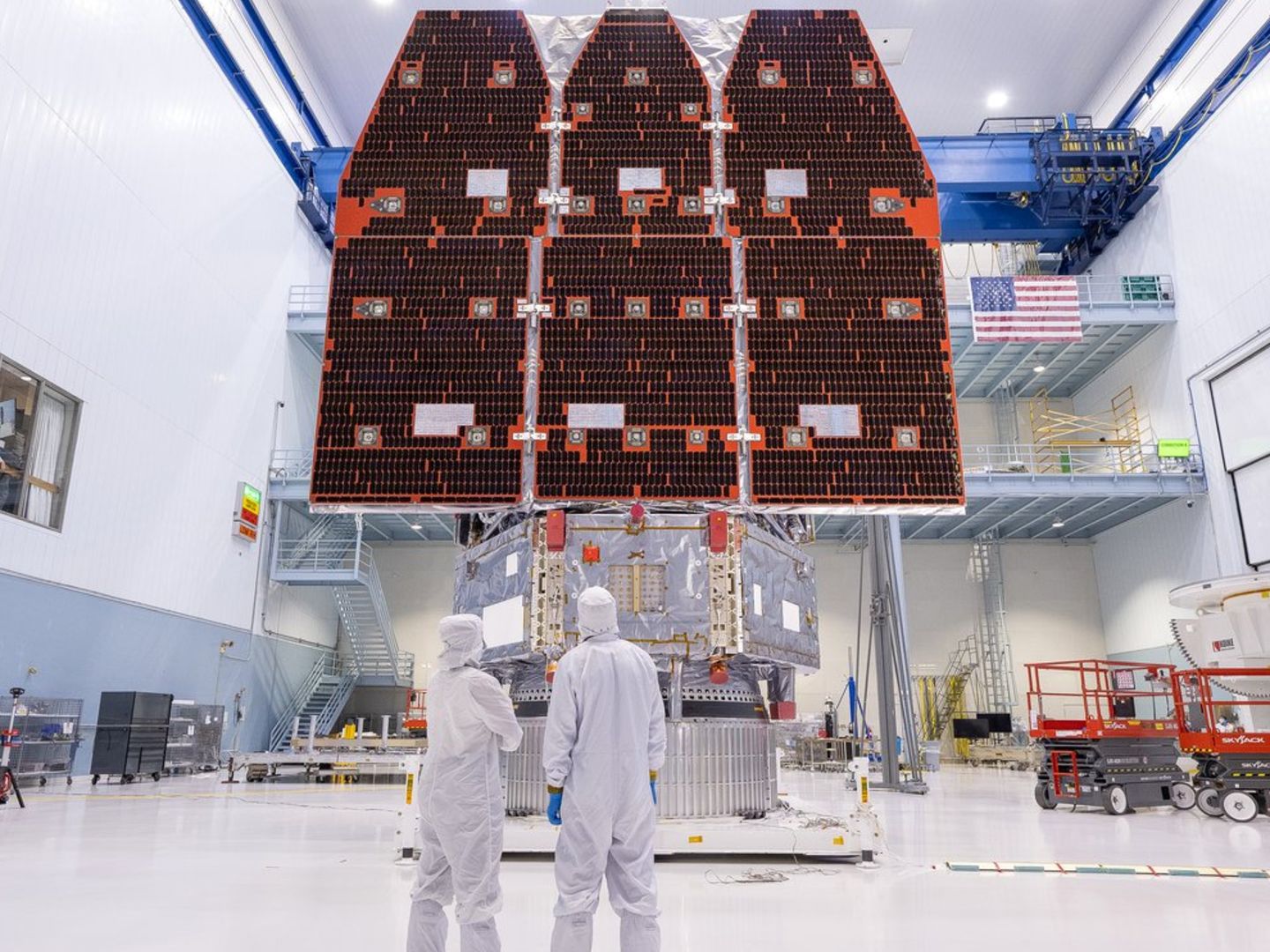
The completion of the Roman Space Telescope’s assembly represents years of engineering and collaboration. The observatory’s two main segments have now been successfully integrated, forming a fully operational unit ready for prelaunch testing.
Currently housed in NASA’s largest clean room, the telescope is undergoing final checks to ensure it can withstand the harsh conditions of space. Once testing is complete, it will be transported to the Kennedy Space Center for launch preparation.
While the official launch window is set for May 2027, NASA has indicated that the mission could launch as early as late 2026 if progress continues on schedule.
What makes the Roman Space Telescope so important?
The Roman Space Telescope is designed to deliver a wide-field view of the universe far beyond what previous missions have achieved. It will capture vast panoramic images of space, allowing astronomers to study millions of galaxies in a single observation.
This capability will help scientists investigate some of the biggest mysteries in modern astronomy, including dark energy, the large-scale structure of the universe, and the formation of galaxies over cosmic time.
In addition to its survey power, Roman will also test advanced technology capable of directly imaging planets around nearby stars. This marks a significant step forward in the search for potentially habitable worlds beyond our solar system.
Media event offers rare behind-the-scenes access
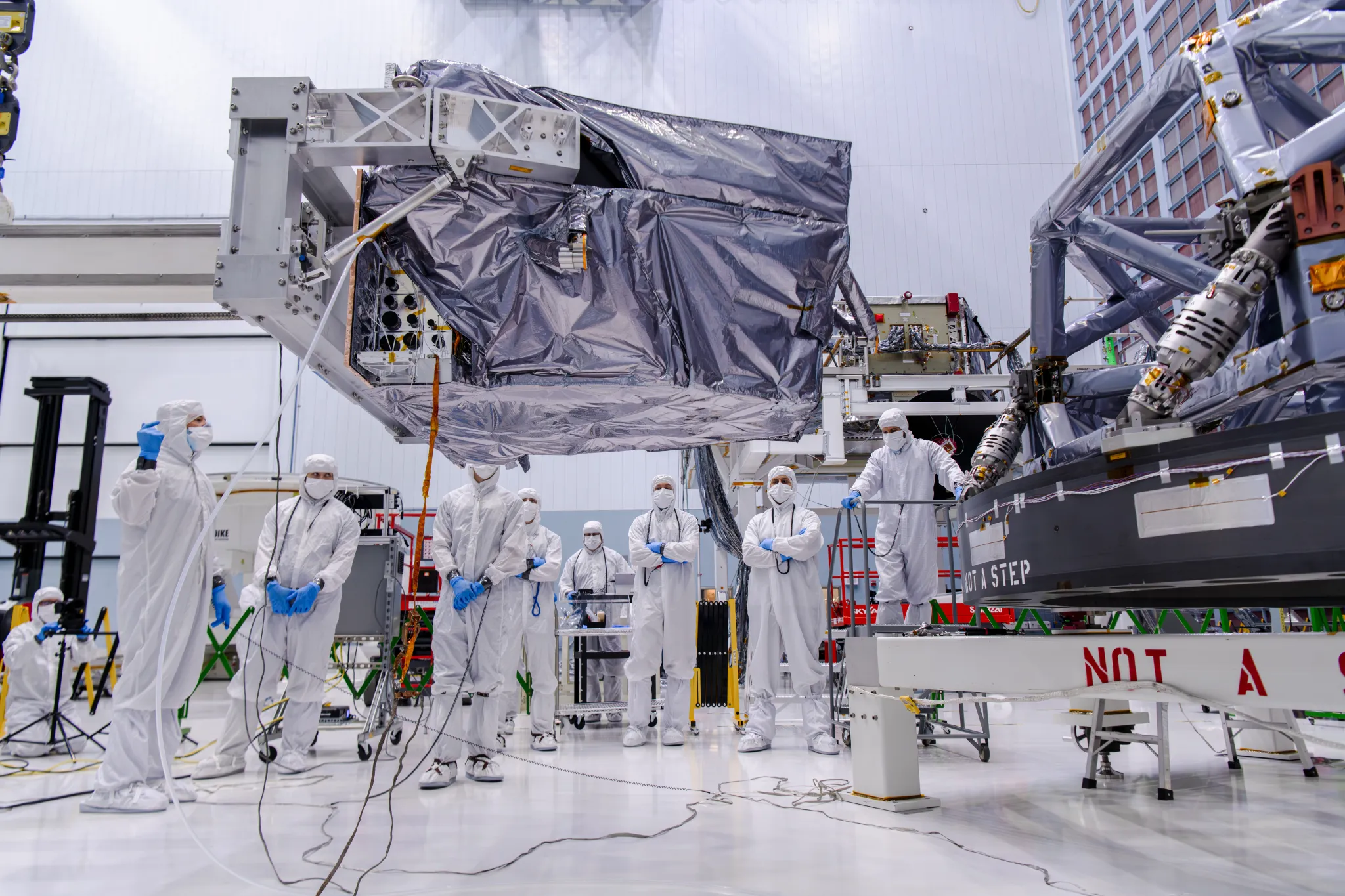
NASA’s upcoming media briefing will provide a rare opportunity to see the fully integrated telescope before it leaves Earth. The event will include a live-streamed press conference featuring senior NASA officials and project scientists.
Participants are expected to include key figures from the mission, offering insights into the telescope’s development, capabilities, and scientific goals.
Media attending in person will also have access to additional facilities and missions, including projects linked to the Artemis programme, Venus exploration, and future space observatories.
A global effort to explore the universe
The Roman Space Telescope is not just a NASA mission. It represents a global collaboration involving organisations such as the European Space Agency, Japan Aerospace Exploration Agency, and several international research institutions.
Major industrial partners have contributed to the telescope’s design and construction, ensuring it incorporates some of the most advanced space technology ever developed.
This collaborative effort highlights the importance of international cooperation in advancing our understanding of the cosmos.
A new era of cosmic discovery begins
With its assembly complete, the Roman Space Telescope is one step closer to transforming how we observe the universe.
From mapping distant galaxies to searching for exoplanets, the mission promises to open a new chapter in space exploration. As launch approaches, anticipation continues to build around what could become one of the most important astronomical missions of the decade.