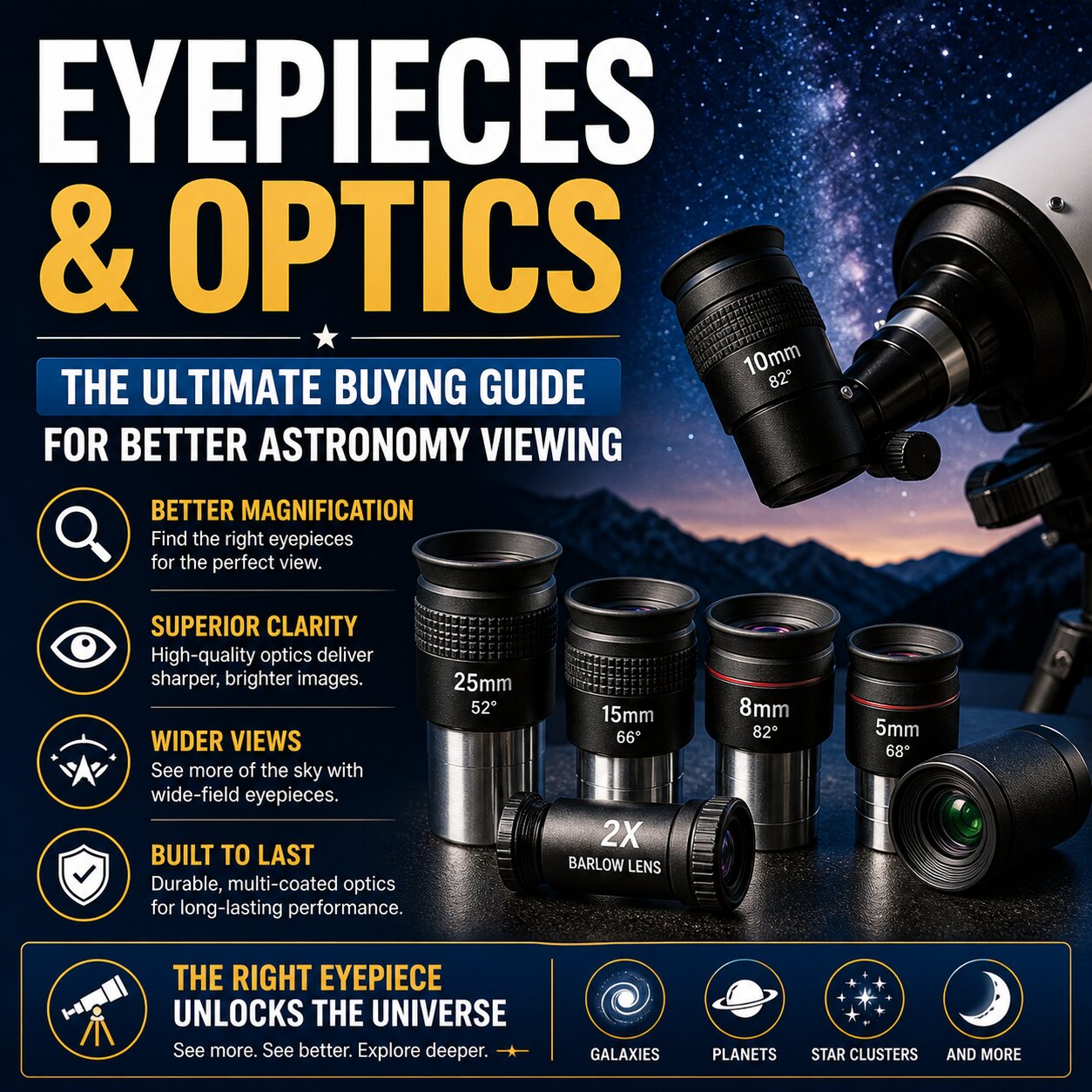

When it comes to stargazing, your telescope is only part of the equation. Eyepieces and optics play a crucial role in what you actually see in the night sky. Choosing the right combination can dramatically improve clarity, magnification, and overall viewing experience.
For beginners and experienced astronomers alike, understanding eyepieces and optics is essential when building or upgrading your setup. The wrong choice can limit your telescope’s performance, while the right one can unlock stunning views of planets, galaxies, and deep-sky objects.
In this guide, we’ll break down everything you need to know about eyepieces and optics so you can make smarter buying decisions.
Understanding How Eyepieces Work
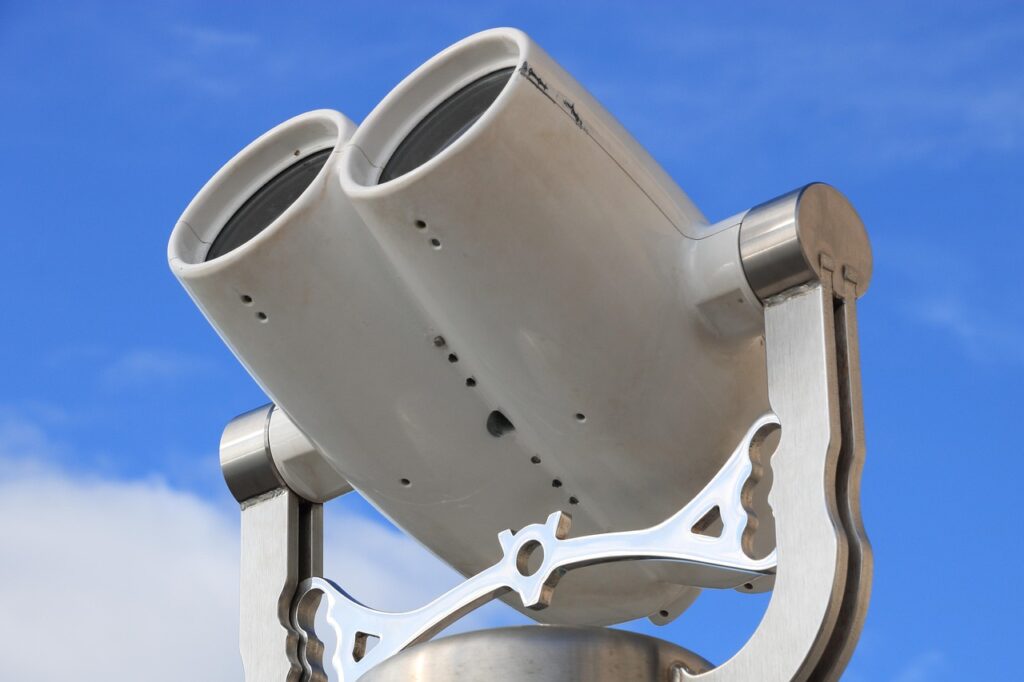
Eyepieces are the part of your telescope you look through, but they do far more than just provide a viewing point. They determine magnification, field of view, and how comfortable your viewing experience will be.
Magnification is calculated by dividing your telescope’s focal length by the eyepiece’s focal length. A shorter eyepiece focal length results in higher magnification, while a longer one provides a wider, more relaxed view.
However, higher magnification is not always better. Too much magnification can reduce image quality, especially if your telescope or atmospheric conditions cannot support it.
Eyepieces and optics must work together as a system. Choosing the right balance ensures sharper, more detailed observations without sacrificing brightness or clarity.
Types of Eyepieces and What They Offer
There are several types of eyepieces available, each designed for different viewing styles and budgets.
Plössl eyepieces are among the most popular choices for beginners. They offer a good balance of clarity, affordability, and field of view, making them a solid starting point.
Wide-angle eyepieces provide a larger field of view, allowing you to see more of the sky at once. These are excellent for observing star clusters, nebulae, and galaxies.
Planetary eyepieces are designed for high magnification and sharp detail. They are ideal for viewing planets like Jupiter and Saturn, where fine detail matters most.
Premium eyepieces often include advanced coatings and multi-element designs that improve contrast and reduce distortion. While more expensive, they can significantly enhance your viewing experience.
Key Optical Factors to Consider
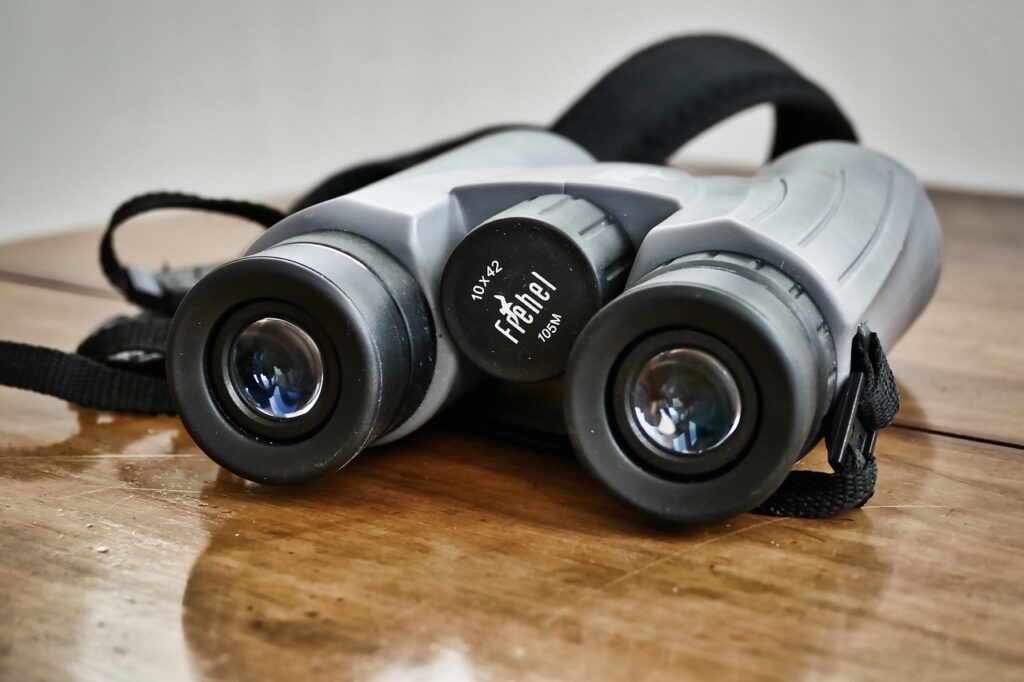
When buying eyepieces and optics, there are several important factors that influence performance.
Field of view determines how much of the sky you can see at once. A wider field makes it easier to track objects and enjoy immersive views.
Eye relief refers to the distance between your eye and the eyepiece lens. Longer eye relief is more comfortable, especially for those who wear glasses.
Lens coatings improve light transmission and reduce reflections. Fully multi-coated optics provide better brightness and contrast, which is especially important for deep-sky observations.
Build quality also matters. High-quality materials and precision engineering ensure durability and consistent optical performance over time.
Choosing the Right Eyepiece for Your Telescope
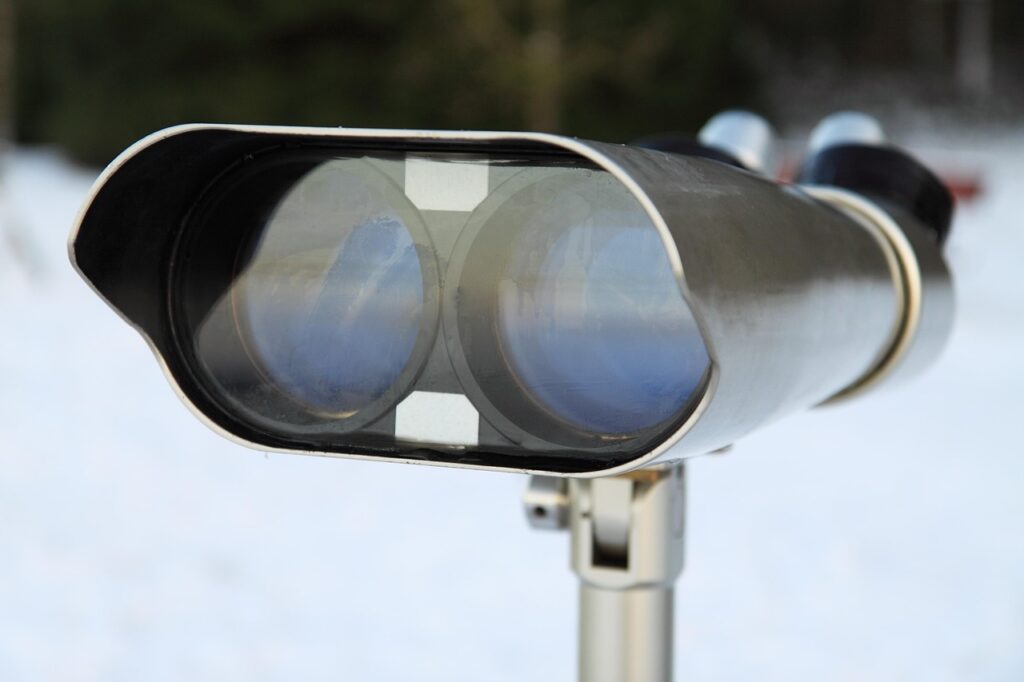
Not all eyepieces work equally well with every telescope. Matching your eyepieces and optics to your telescope type is key to getting the best results.
Reflector telescopes often benefit from wide-angle eyepieces to maximise field of view. Refractors, on the other hand, can deliver excellent sharpness with high-quality planetary eyepieces.
Consider your telescope’s focal ratio as well. Fast telescopes (low f-number) require higher-quality eyepieces to reduce distortion at the edges of the image.
It’s also a good idea to build a small collection of eyepieces with different focal lengths. This gives you flexibility to switch between wide views and detailed observations depending on your target.
Essential Eyepieces and Optics for Beginners
If you’re starting out, you don’t need a large collection. A few well-chosen options can cover most observing needs:
- A low-power eyepiece (25mm to 32mm) for wide views
- A medium-power eyepiece (10mm to 15mm) for general use
- A high-power eyepiece (5mm to 8mm) for planets
- A quality Barlow lens to double magnification options
- Fully multi-coated lenses for better clarity
- A comfortable eye relief for longer viewing sessions
This setup provides a solid foundation for exploring both planetary and deep-sky objects.
Elevating Your Astronomy Experience
Eyepieces and optics are where your telescope truly comes to life. They determine how much detail you can see and how enjoyable your viewing sessions will be.
Investing in the right eyepieces is one of the best upgrades you can make. Even a modest telescope can deliver impressive results with high-quality optics.
As you gain experience, you’ll develop preferences based on what you enjoy observing most. Whether it’s planets, galaxies, or star clusters, the right eyepieces and optics will help you see the universe in a whole new way. 🌌