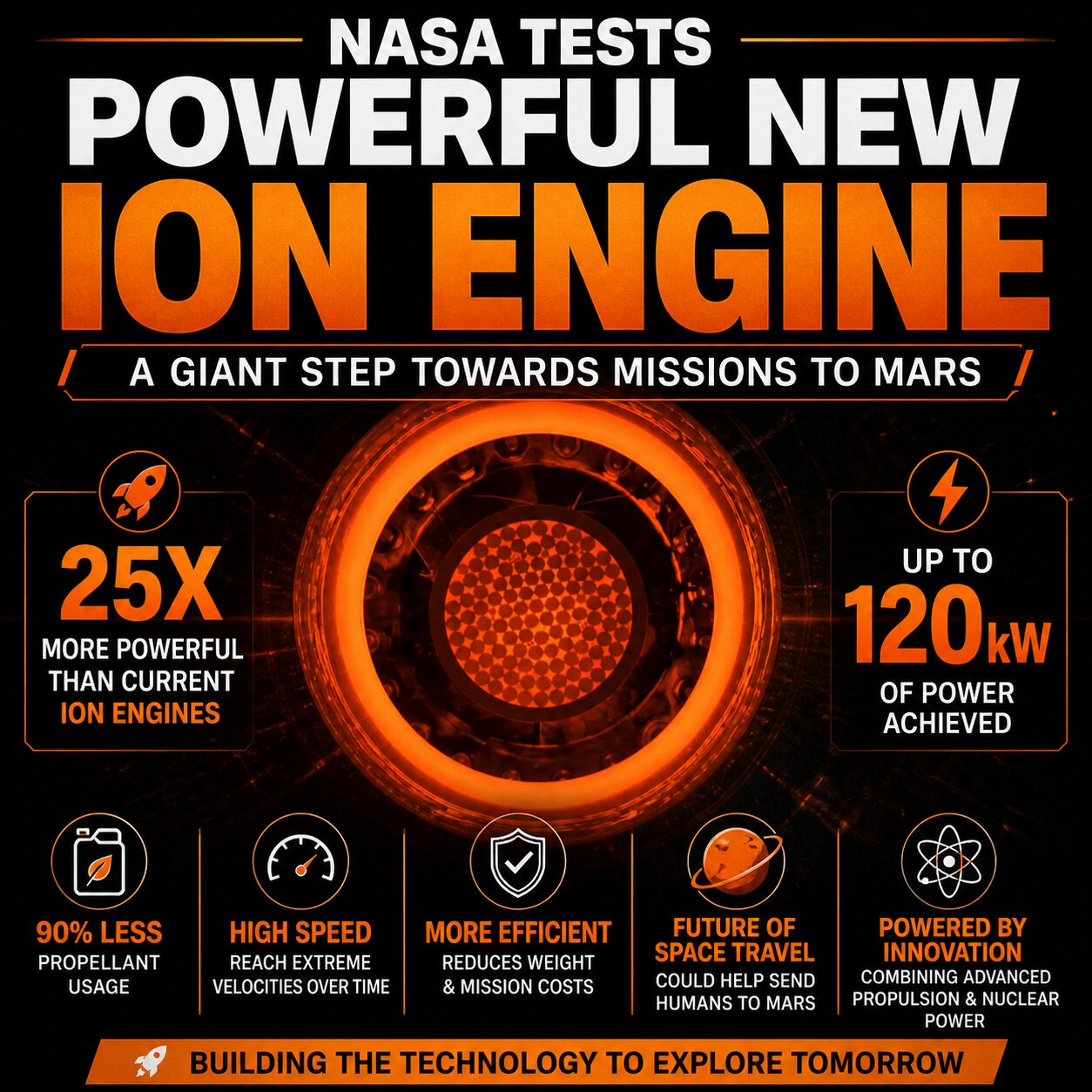

NASA has taken a major step forward in space propulsion technology, successfully testing a powerful new ion engine that could one day help carry astronauts to Mars. This breakthrough marks a significant advancement in how spacecraft may travel across the solar system in the future.
The new system represents a shift away from traditional chemical rockets, focusing instead on electric propulsion. With higher efficiency and the ability to reach extreme speeds over time, this technology could redefine long-distance space travel.
In this article, we explore NASA’s latest ion engine test, how it works, and why it could be critical for future missions to Mars and beyond.
A New Era Of Electric Propulsion
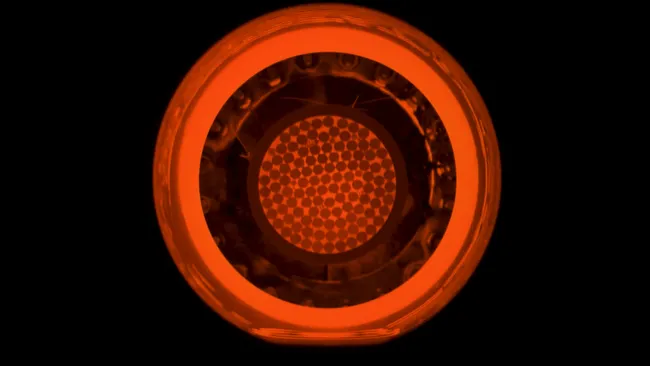
NASA’s latest test involves a lithium-fed magnetoplasmadynamic (MPD) thruster, a type of ion engine that uses electromagnetic forces to generate thrust. Unlike conventional rockets that burn fuel, ion engines accelerate charged particles to create movement.
This new engine has already demonstrated impressive performance, reaching power levels of up to 120 kilowatts. This is a major milestone, marking one of the most powerful electric propulsion tests conducted in the United States.
Ion engines are known for their efficiency. They use significantly less propellant than chemical rockets, reducing spacecraft weight and overall mission costs. While they produce less immediate thrust, their ability to operate continuously allows them to achieve extremely high speeds over time.
This makes them ideal for deep space missions, where long-distance travel requires sustained acceleration rather than short bursts of power.
Why This Engine Is A Big Deal
What makes this new ion engine particularly exciting is its potential to go far beyond current capabilities. The prototype tested is already around 25 times more powerful than existing ion engines used in missions today.
The engine operates using lithium metal vapour instead of traditional xenon gas. This allows it to generate stronger electrical currents and interact more effectively with magnetic fields, resulting in greater thrust.
NASA researchers are already aiming to scale this technology even further. Future versions could reach between 500 kilowatts and one megawatt, with long-term goals pushing into multi-megawatt systems.
If successful, multiple engines of this type could be combined on a single spacecraft, providing enough propulsion to support human missions to Mars.
The Challenge Of Power In Space
One of the biggest challenges for ion engines has always been power generation. Most current systems rely on solar panels, which limits their effectiveness as spacecraft travel further away from the Sun.
To overcome this, NASA is developing nuclear-powered systems that can provide consistent energy in deep space. A project known as Space Reactor-1 Freedom aims to combine nuclear power with advanced propulsion technologies.
This combination could unlock the full potential of high-powered ion engines. With a stable and powerful energy source, spacecraft would no longer be restricted by distance from the Sun.
Such advancements could make long-duration missions more practical and open the door to exploring regions of the solar system that are currently difficult to reach.
How Ion Engines Compare To Traditional Rockets
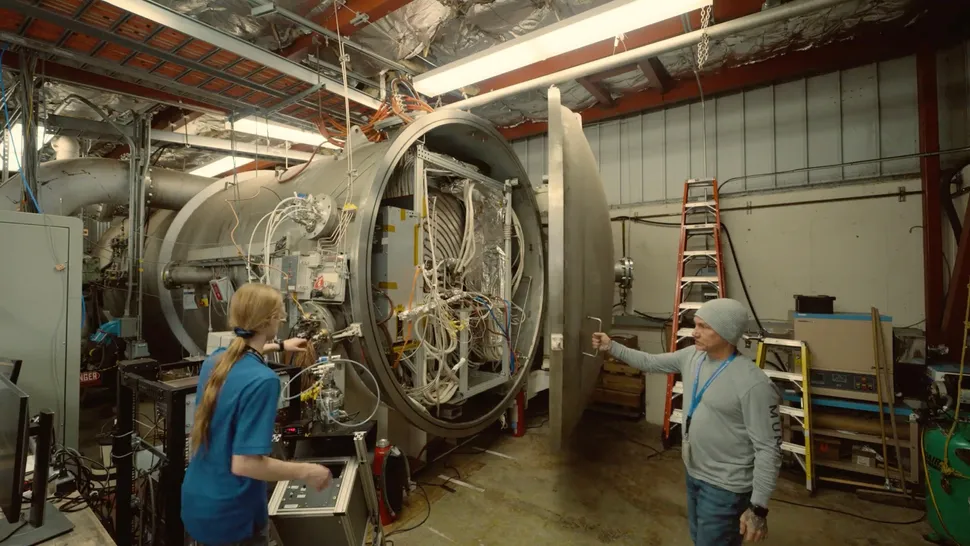
Understanding this breakthrough also requires comparing ion engines to traditional chemical propulsion systems:
- Chemical rockets provide high thrust but consume large amounts of fuel quickly
- Ion engines produce lower thrust but operate for much longer durations
- Electric propulsion systems are significantly more fuel-efficient
- Ion engines allow spacecraft to reach much higher speeds over time
- New technologies like MPD thrusters aim to bridge the gap between power and efficiency
These differences highlight why ion engines are becoming increasingly important for future space exploration. They are not replacing traditional rockets entirely, but they are transforming how spacecraft travel once in space.
A Giant Leap Towards Mars Missions
NASA’s successful test of this new ion engine represents more than just a technological achievement. It is a step towards making human missions to Mars more realistic and achievable.
By combining advanced propulsion systems with new power solutions, space agencies are building the foundation for the next era of exploration. Faster travel times, reduced fuel requirements, and improved efficiency could all play a role in future missions.
For space enthusiasts, this development signals exciting times ahead. As ion engine technology continues to evolve, the dream of reaching Mars and exploring deeper into space moves closer to reality.
The journey to the Red Planet is still filled with challenges, but innovations like this are helping humanity take its next giant leap into the cosmos.