Few celestial events attract as much public attention as a supermoon. When headlines announce an upcoming supermoon, skywatchers often head outdoors to catch a glimpse of what is often described as a larger and brighter full Moon.
While supermoons are not rare astronomical events, they remain fascinating because they occur when the Moon’s orbit brings it closer to Earth than usual during a full moon phase. This creates a noticeable difference in size and brightness compared to some other full moons throughout the year.
Understanding what supermoons are helps amateur astronomers appreciate the mechanics of the Earth-Moon system and enjoy these beautiful celestial events even more.
In this guide, we’ll explore what supermoons are, why they occur, and what makes them special among the many celestial events visible from Earth.
Understanding the Moon’s orbit
To understand what supermoons are, we first need to examine how the Moon travels around Earth.
The Moon does not orbit Earth in a perfect circle. Instead, its orbit is slightly elliptical. This means there are times when the Moon is closer to Earth and times when it is farther away.
The point where the Moon is closest to Earth is called perigee. The point where it is farthest away is known as apogee.
Because the Moon’s distance constantly changes throughout its orbit, its apparent size in our sky also changes slightly. Most of the time these differences are difficult to notice without comparison photographs or careful measurements.
What makes a supermoon?
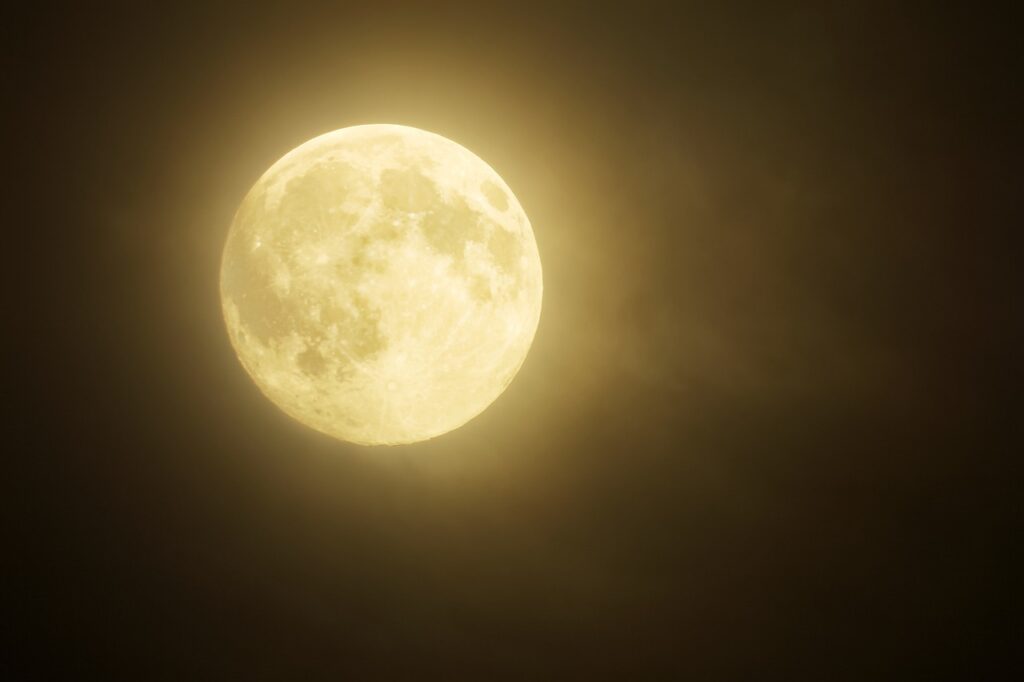
The term “supermoon” is commonly used when a full moon occurs near the Moon’s closest approach to Earth.
When a full moon aligns closely with perigee, the Moon appears somewhat larger and brighter than an average full moon. This is what astronomers and skywatchers generally refer to as a supermoon.
Although the exact definition varies slightly among organisations, most supermoons occur when the full moon takes place within a certain distance of perigee.
A supermoon can appear up to around 14% larger and approximately 30% brighter than a full moon occurring near apogee. While these differences are measurable, they are often more subtle to the naked eye than many photographs and media reports suggest.
Why supermoons seem so dramatic
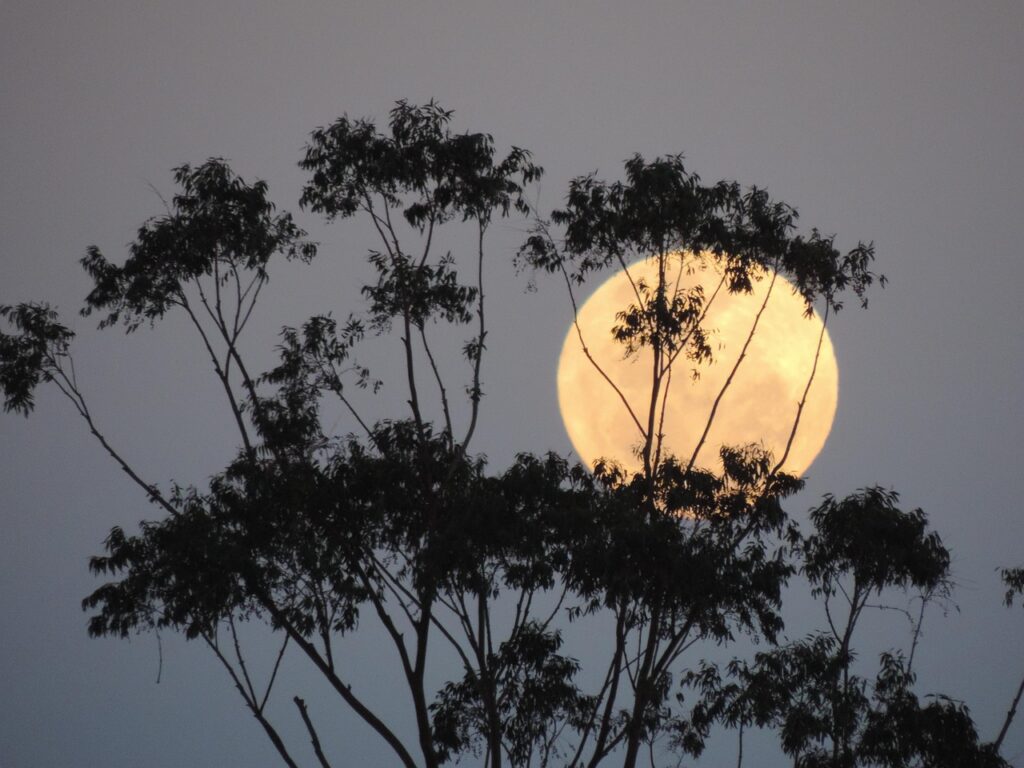
One reason supermoons attract so much attention is due to something known as the Moon illusion.
When the Moon is near the horizon, our brains compare it with trees, buildings, mountains, and other familiar objects. This can make the Moon appear much larger than it actually is.
Many people observe a supermoon shortly after moonrise, combining the effects of the Moon illusion with the Moon’s slightly larger apparent size due to its closer distance.
Factors that contribute to the impressive appearance of supermoons include:
- The Moon being closer to Earth than usual.
- Increased brightness compared to some other full moons.
- The Moon illusion near the horizon.
- Atmospheric conditions that enhance visibility.
- Public awareness generated by media coverage.
Together, these factors create one of the most popular celestial events for casual observers.
Are supermoons scientifically important?
From a scientific perspective, supermoons provide another opportunity to study the Moon and engage the public with astronomy.
The Moon’s slightly closer distance can contribute to somewhat stronger tidal effects, although these changes are generally not dramatic. Coastal regions regularly experience variations in tides due to numerous factors beyond lunar distance alone.
For astronomers, supermoons are primarily significant because they encourage people to look up and learn more about our nearest celestial neighbour.
Many astronomy clubs and observatories use supermoons as opportunities for public outreach, helping newcomers become interested in the night sky.
Observing a supermoon
The best way to enjoy a supermoon is surprisingly simple: go outside and look up.
The Moon requires no telescope to appreciate. In fact, many people enjoy supermoons most with the naked eye. Binoculars can reveal additional surface details, while small telescopes provide stunning views of craters, mountain ranges, and lunar plains.
Photography enthusiasts often capture spectacular images by photographing the Moon near the horizon alongside landmarks or landscapes. This creates a powerful sense of scale that highlights the beauty of these celestial events.
Checking local moonrise times before the event can help you plan the perfect observation session.
A Closer Look at Our Lunar Companion
Supermoons remind us that even familiar objects in the sky can offer new experiences. While the differences between a supermoon and a typical full moon may be subtle, understanding the science behind them makes these celestial events even more rewarding.
The next time a supermoon appears, take a moment to observe Earth’s closest companion and appreciate the fascinating orbital mechanics that make these events possible. Whether you are an experienced astronomer or simply curious about the night sky, supermoons offer a wonderful opportunity to connect with astronomy and the wonders of our universe.