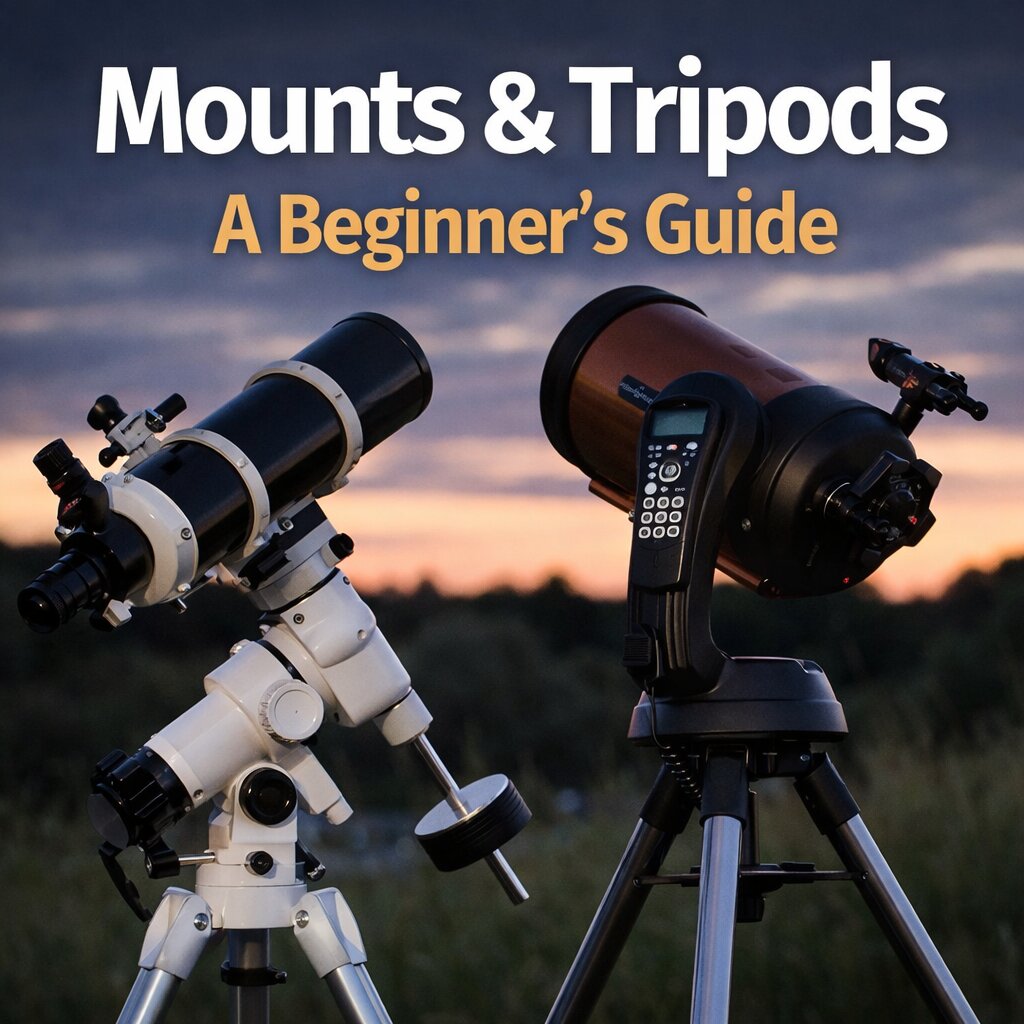

When beginners step into astronomy, most of the focus naturally goes toward telescopes and lenses. However, mounts & tripods are just as important, if not more so, when it comes to achieving a clear and stable view of the night sky. Without proper support, even the best telescope can become frustrating to use.
Mounts & tripods provide the foundation for your entire observing experience. They keep your telescope steady, reduce vibrations, and allow you to track celestial objects smoothly. This stability becomes especially important when observing planets, the Moon, or deep-sky objects at higher magnifications.
A shaky setup can ruin an otherwise perfect night of stargazing. Even small movements caused by wind or uneven ground can distort your view. That is why investing time in understanding mounts & tripods is essential for any beginner.
Understanding the different types of mounts
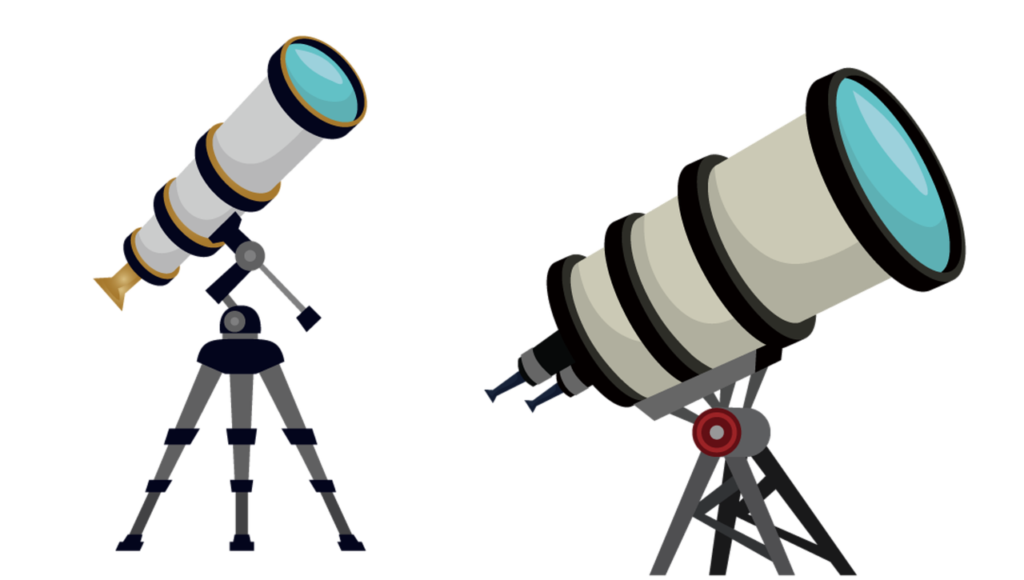
There are several types of mounting equipment available, each designed for different levels of experience and observing styles. The most common types beginners encounter are alt-azimuth mounts and equatorial mounts. Each has its own advantages and learning curve.
Alt-azimuth mounts are the simplest form of telescope mounting equipment. They move up and down (altitude) and side to side (azimuth), making them very intuitive to use. These mounts are ideal for beginners who want quick setup and easy navigation without complex adjustments.
Equatorial mounting equipment, on the other hand, is designed to follow the rotation of the Earth. Once properly aligned, they allow you to track stars and planets with a single motion. While they take more time to learn, they are highly valuable for long observation sessions and astrophotography.
There are also motorised and computerised mounts available. These advanced mounts can automatically locate and track objects in the sky, making them appealing for those who want a more guided experience.
The role of tripods in stability and performance

Tripods are often overlooked, but they play a critical role in how effective your mounts & tripods setup will be. A strong, well-built tripod ensures that your telescope remains stable, even when adjusting or focusing.
Most beginner telescopes come with lightweight tripods, which are easy to transport but may lack rigidity. While convenient, these can introduce vibrations, especially when observing at high magnification. Upgrading to a sturdier tripod can significantly improve your viewing experience.
Material also matters when choosing tripods. Aluminium tripods are common and affordable, while steel tripods offer greater stability at the cost of added weight. For those prioritising portability, carbon fibre tripods provide a balance between strength and lightweight design.
The height and adjustability of tripods should also be considered. A tripod that allows comfortable viewing without constant bending or stretching will make your sessions far more enjoyable.
Key features to look for in mounts & tripods
- Stability and vibration resistance
- Smooth movement and control
- Weight capacity suitable for your telescope
- Ease of setup and portability
- Adjustable height for comfortable viewing
- Compatibility between mounts and tripods
- Option for motorised tracking if needed
Choosing the right setup for your needs
Selecting the right mounts & tripods depends on how you plan to use your telescope. If you are a casual observer who enjoys quick sessions, an alt-azimuth mount with a lightweight tripod may be the perfect choice.
For those interested in more serious observation or astrophotography, equatorial mounts paired with sturdy tripods provide better tracking and precision. These setups allow you to follow celestial objects over time without constant manual adjustments.
Portability is another important factor. If you plan to travel to dark-sky locations, lighter mounts & tripods will be easier to transport. However, this should not come at the expense of stability, especially if you are using a heavier telescope.
Budget also plays a role. While it may be tempting to save money on mounts and tripods, investing in quality support equipment often leads to a far better overall experience.
Tips for setting up and using mounts & tripods
Proper setup is just as important as choosing the right equipment. Always place your tripod on stable, level ground to minimise movement. Extending the legs evenly helps maintain balance and prevents tipping.
When attaching your telescope to the mount, ensure everything is securely fastened. Loose connections can lead to instability and even damage your equipment. Taking a few extra minutes to check your setup can save you a lot of frustration later.
Balancing your telescope is also essential, particularly with equatorial mounts. A well-balanced system moves more smoothly and reduces strain on the mount’s components. This is especially important if you are using motorised tracking.
Finally, avoid touching the telescope unnecessarily while observing. Even small movements can disrupt your view. Using slow-motion controls or motorised tracking helps maintain a steady image.
Building a strong foundation for your astronomy journey
Mounts & tripods are the unsung heroes of astronomy equipment. While they may not seem as exciting as telescopes, they play a crucial role in ensuring a smooth and enjoyable stargazing experience.
By understanding the different types of mounts, choosing the right tripods, and setting up your equipment correctly, you create a stable foundation for exploring the night sky. This not only improves your observations but also makes the entire experience more rewarding.
As you continue your astronomy journey, you will quickly realise that good mounts & tripods are not just accessories. They are essential tools that bring the universe into clearer focus.