


Optical observatories remain one of the most important tools used by astronomers to explore the universe. These facilities use powerful telescopes and advanced imaging systems to capture visible light from stars, galaxies, nebulae, and other cosmic objects. Through optical observations, scientists can study the structure, motion, and composition of distant celestial bodies.
Unlike space telescopes that operate beyond Earth’s atmosphere, many optical observatories are located on mountaintops or in remote regions where atmospheric conditions are more stable. These locations allow astronomers to minimise light pollution and atmospheric distortion, improving the quality of observations.
Today, optical observatories combine traditional telescope design with cutting-edge technology, allowing space agencies and universities to conduct detailed research into everything from stellar evolution to the expansion of the universe.
Why optical observatories are built in remote locations
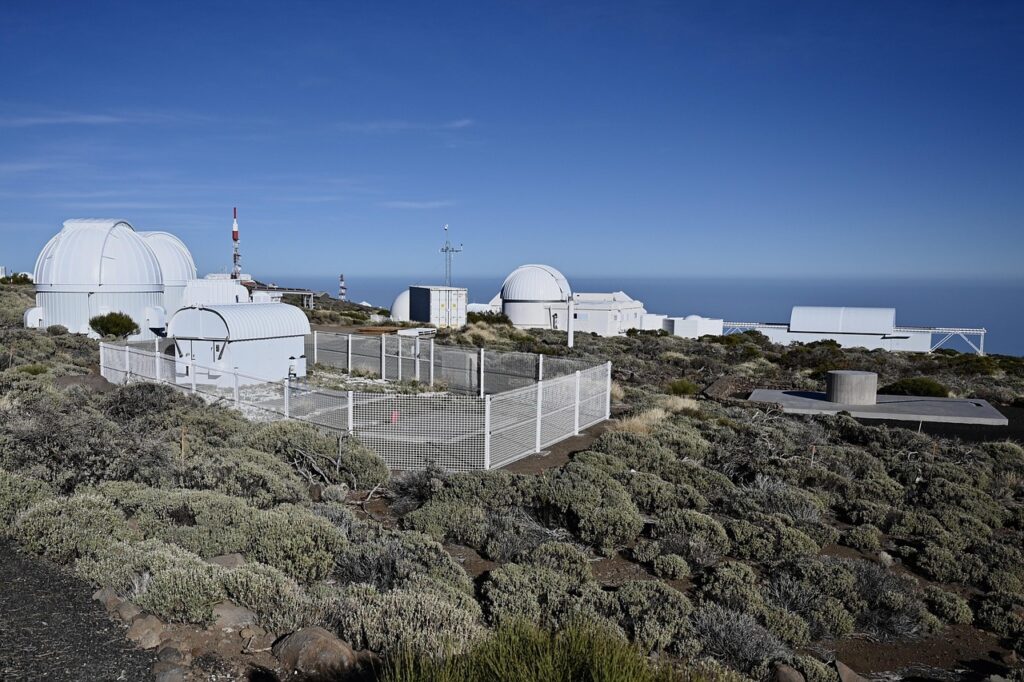
The placement of an optical observatory plays a critical role in the quality of astronomical observations. Earth’s atmosphere can blur and distort incoming light from distant stars and galaxies, making it difficult to capture clear images.
For this reason, many of the world’s most advanced optical observatories are built on high mountains, deserts, or isolated islands. These environments provide thinner atmosphere, lower humidity, and minimal light pollution, all of which improve observing conditions.
Locations such as the Atacama Desert in Chile and the summit of Mauna Kea in Hawaii have become major hubs for astronomical research. These regions experience hundreds of clear nights per year, making them ideal for long-term observational studies.
By situating observatories in carefully selected environments, scientists can significantly improve the precision and reliability of optical astronomical data.
Key technologies used in modern optical observatories
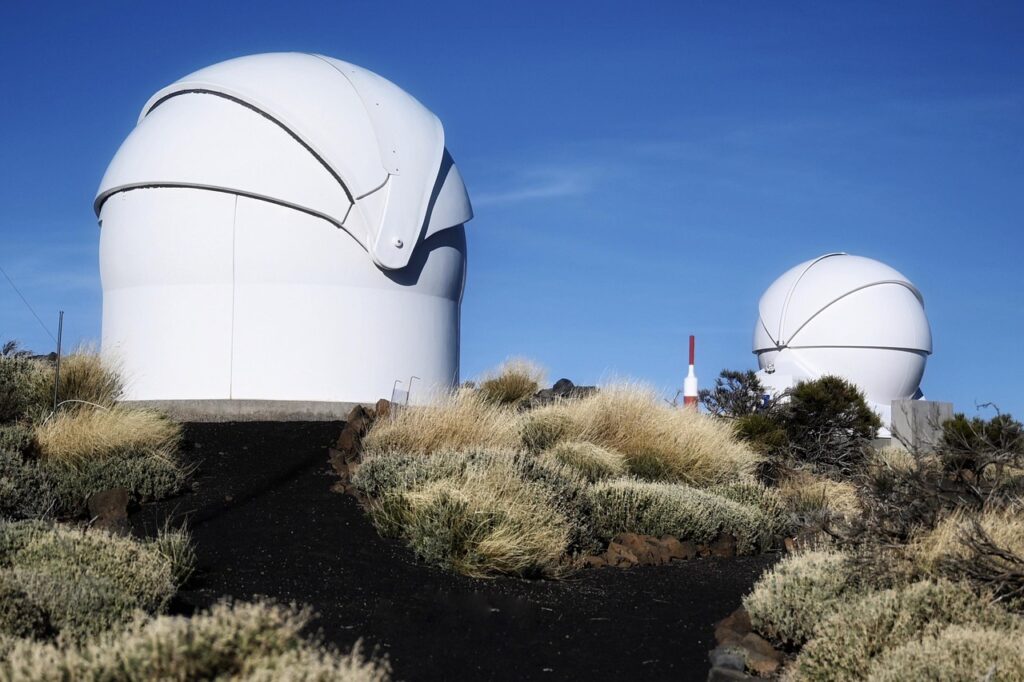
Modern optical observatories rely on a combination of precision engineering and advanced imaging technology to observe extremely distant and faint objects.
Important technologies used in optical observatories include:
- Large primary mirrors that collect and focus incoming light
- Adaptive optics systems that correct atmospheric distortion in real time
- Spectrographs that analyse the chemical composition of celestial objects
- Charge-coupled device (CCD) detectors that capture high-resolution digital images
- Computer-controlled tracking systems that keep telescopes aligned with moving celestial targets
These technologies allow astronomers to capture incredibly detailed observations that were impossible only a few decades ago.
In many cases, observatories operate multiple instruments simultaneously, allowing scientists to analyse light in different ways and extract more information from the same observation.
How space agencies and universities use optical observatories

Optical observatories are used by both space agencies and research institutions to study a wide range of astronomical phenomena. Universities often operate observatories as part of their astrophysics programmes, giving students and researchers direct access to observational data.
These facilities allow scientists to monitor variable stars, observe distant galaxies, track asteroids, and analyse the light signatures of exoplanets. By studying how light changes over time, astronomers can detect phenomena such as stellar explosions, gravitational interactions, and cosmic expansion.
Large international observatories frequently operate as global collaborations, where multiple institutions share telescope time. Researchers submit proposals outlining their experiments, and successful proposals receive observation slots.
This collaborative model allows scientists from around the world to contribute to major discoveries using shared research infrastructure.
The future of optical observatories
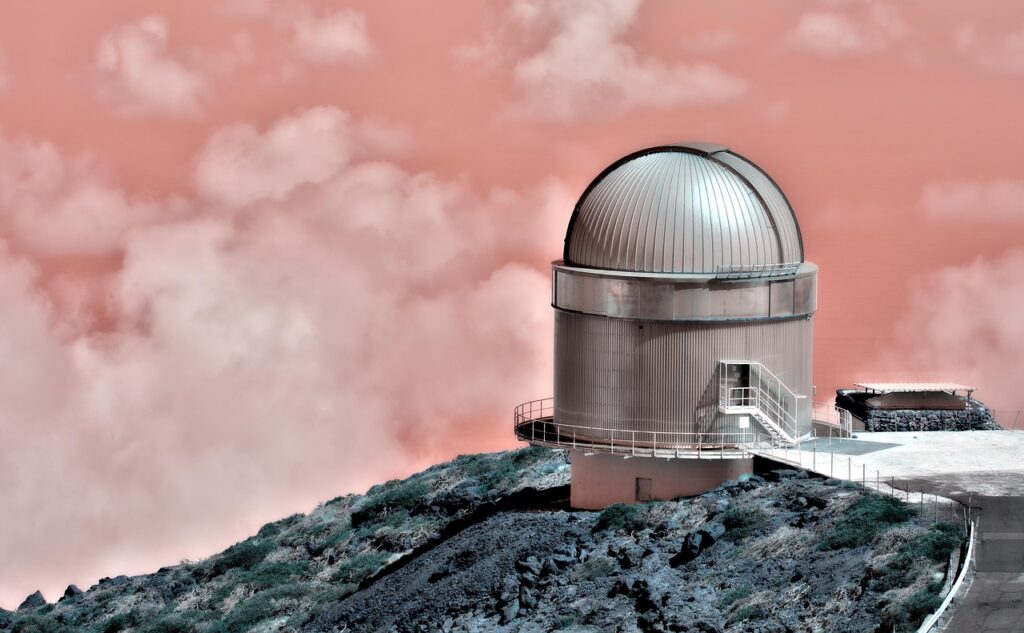
Although space telescopes have become increasingly powerful, ground-based optical observatories remain essential for astronomical research. Advances in mirror design, adaptive optics, and sensor technology continue to push the limits of what ground-based telescopes can achieve.
Next-generation observatories are being designed with enormous segmented mirrors capable of collecting far more light than traditional telescopes. These instruments will allow astronomers to study extremely faint and distant objects in unprecedented detail.
Combined with artificial intelligence and automated observation systems, future optical observatories will play a crucial role in mapping the universe and understanding its origins.
As technology continues to evolve, optical observatories will remain at the heart of astronomical discovery for decades to come.

