Space exploration is powered by far more than rockets and astronauts. Behind every mission lies a vast ecosystem of advanced systems working together to observe the universe, protect Earth, and enable humans to survive beyond our planet. Understanding the types of space technology in use today reveals just how complex, ambitious, and interconnected modern space programmes have become.
From orbiting telescopes peering into the earliest moments of the cosmos to robotic systems operating autonomously millions of kilometres from Earth, space technology touches every aspect of exploration, research, and planetary defence. These technologies are developed and refined by organisations such as NASA and other global space agencies, pushing engineering to its absolute limits.
In this article, we explore the different types of space technology that make modern space missions possible. Rather than focusing on consumer gadgets or sci-fi concepts, we look at real-world systems currently shaping the future of astronomy, planetary science, and human spaceflight.
Table of Contents
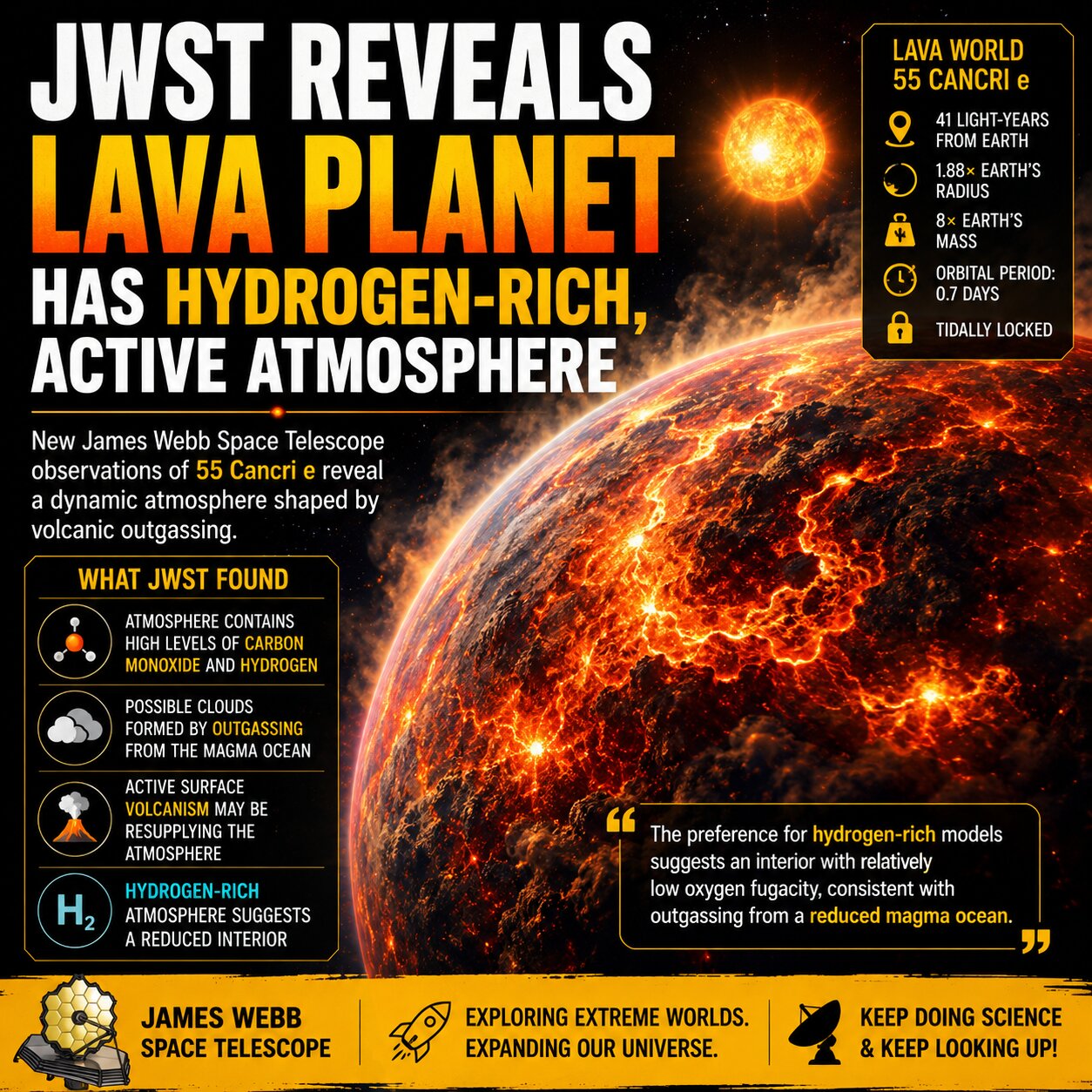
Space Telescopes

Among the most recognisable types of space technology, space telescopes have fundamentally changed how humanity views the universe. By operating beyond Earth’s atmosphere, these observatories avoid atmospheric distortion, light pollution, and weather interference, allowing scientists to capture clearer and more detailed observations than ground-based instruments ever could.
Space telescopes are designed to observe the universe across multiple wavelengths, including visible light, infrared, ultraviolet, and X-ray. Each wavelength reveals different information, from the birth of stars hidden within dust clouds to high-energy events such as supernovae and black hole activity. This multi-spectrum approach makes space telescopes essential tools for modern astrophysics.
Unlike traditional telescopes, these instruments must function autonomously for years, sometimes decades, with limited opportunities for maintenance or repair. Their technology includes precision mirrors, advanced detectors, radiation-hardened electronics, and complex stabilisation systems that allow them to remain accurately pointed at distant targets.
As a category within the broader types of space technology, space telescopes represent the intersection of engineering excellence and scientific discovery. They serve as humanity’s eyes in space, continuously expanding our understanding of the cosmos and reshaping how we interpret our place within it.
Satellite Technology

Satellite technology is one of the most versatile and widely used types of space technology, supporting everything from scientific research and Earth observation to global communication and navigation. Operating in carefully calculated orbits, satellites act as remote platforms that continuously collect, transmit, and relay data back to Earth.
Different satellite systems are designed for specific roles. Earth observation satellites monitor weather patterns, climate change, natural disasters, and environmental shifts. Communication satellites enable long-distance data transmission, while navigation satellites support precise positioning and timing systems used across the world. Scientific satellites, meanwhile, focus on studying Earth, the Sun, or deep space from stable orbital positions.
Because satellites must operate independently for long periods, they rely on robust onboard systems. These include power generation through solar arrays, thermal control to manage extreme temperature changes, propulsion systems for orbit adjustments, and secure communication links for data transmission. Even small failures can compromise entire missions, making reliability a defining feature of satellite technology.
Within the wider landscape of types of space technology, satellites form the backbone of continuous space-based observation and connectivity. They quietly operate in the background, providing data and services that support both space exploration and life on Earth, often without most people ever realising their presence.
Launch & Propulsion Systems

Launch and propulsion systems are among the most critical types of space technology, providing the power and control needed to escape Earth’s gravity and navigate the vast distances of space. Without these systems, satellites would never reach orbit, probes could not explore other planets, and human spaceflight would remain impossible.
Launch systems include multi-stage rockets designed to deliver payloads into precise trajectories. Each stage is engineered to maximise efficiency, shedding weight as fuel is consumed and allowing spacecraft to reach the required speed for orbit or deep-space travel. These launch vehicles must operate flawlessly during a short but intense window where even minor errors can lead to mission failure.
Once beyond launch, propulsion systems continue to play a vital role. Spacecraft rely on a range of propulsion technologies, from chemical thrusters used for manoeuvring and orbital adjustments to advanced electric propulsion systems designed for long-duration missions. These systems allow spacecraft to change course, maintain stable orbits, and travel between planetary bodies.
As part of the broader types of space technology, launch and propulsion systems represent the gateway to space itself. They combine raw power with extreme precision, enabling every other space technology to reach its destination and fulfil its mission.
Space Robotics & Automation

Space robotics and automation are among the most transformative types of space technology, allowing missions to operate in environments that are too dangerous, distant, or hostile for humans. These systems extend human capability far beyond Earth, enabling exploration, maintenance, and data collection across the solar system.
Robotic technology is used in many forms, from planetary rovers navigating alien terrain to robotic arms performing delicate tasks on spacecraft and space stations. Automation allows these systems to carry out complex operations independently, responding to their surroundings and making decisions when real-time human control is not possible due to communication delays.
Modern space robotics rely on advanced sensors, machine vision, and control algorithms to move, analyse, and interact with their environment. These technologies enable robots to drill into planetary surfaces, collect samples, repair equipment, and assist astronauts during spacewalks. Automation also plays a crucial role in spacecraft operations, managing navigation, system health, and emergency responses.
Within the wider range of types of space technology, robotics and automation act as force multipliers. They reduce risk, increase mission longevity, and make ambitious exploration goals achievable, paving the way for sustained human and robotic presence beyond Earth.
Observation & Detection Systems

Observation and detection systems are foundational types of space technology, enabling scientists to monitor the universe, track objects in space, and gather data that would be impossible to obtain from Earth alone. These systems form the sensory network of space exploration, constantly scanning, measuring, and analysing the environment beyond our planet.
These technologies include space-based sensors, tracking instruments, and detection arrays designed to observe everything from distant galaxies to near-Earth objects. They operate across multiple wavelengths and data types, allowing researchers to detect faint signals, identify movement, and study phenomena such as asteroid trajectories, solar activity, and cosmic radiation.
Detection systems also play a crucial role in space safety and planetary defence. By tracking satellites, space debris, and potentially hazardous objects, these systems help prevent collisions and provide early warnings of threats. Precision and reliability are essential, as even small inaccuracies can have significant consequences in space operations.
Within the broader landscape of types of space technology, observation and detection systems act as the eyes and ears of space missions. They provide the data that drives scientific discovery, supports mission planning, and protects both space infrastructure and Earth itself.
Space Materials & Engineering

Space materials and engineering sit at the foundation of all types of space technology, determining whether systems can survive and function in the extreme conditions beyond Earth. Spacecraft, satellites, and habitats must endure intense radiation, extreme temperature swings, micrometeoroid impacts, and the vacuum of space, all while remaining lightweight and structurally sound.
Specialised materials are developed to meet these demands. Heat-resistant alloys protect spacecraft during launch and atmospheric re-entry, while radiation-shielding materials safeguard sensitive electronics and human occupants. Composite materials are widely used to reduce mass without compromising strength, a critical factor in launch efficiency and mission cost.
Engineering for space also involves designing systems that can operate reliably for long periods without maintenance. Components must resist fatigue, corrosion, and degradation caused by prolonged exposure to space environments. This requires rigorous testing, redundancy, and precision manufacturing processes that far exceed those used in terrestrial engineering.
Within the wider framework of types of space technology, space materials and engineering enable every other system to exist. From propulsion and robotics to observation instruments and life-support structures, these materials form the silent backbone of space exploration, ensuring missions can withstand the harsh realities of space and continue operating long after launch.
Space Defence Systems

Space defence systems represent one of the most protective and forward-looking types of space technology, focused on safeguarding Earth, space infrastructure, and active missions from potential threats. Rather than science-fiction weaponry, these technologies centre on detection, monitoring, and mitigation of hazards originating in space.
A key focus of space defence is planetary protection. Advanced tracking systems are used to identify and monitor near-Earth objects such as asteroids and comets, calculating their trajectories and assessing any potential risk of impact. When necessary, space agencies research and test deflection technologies designed to alter an object’s path long before it becomes a danger.
Space defence systems also support space situational awareness. This includes tracking satellites, debris, and other objects in orbit to prevent collisions that could damage spacecraft or create cascading debris fields. Accurate monitoring is essential as Earth’s orbital environment becomes increasingly crowded.
Within the broader spectrum of types of space technology, space defence systems play a largely unseen but vital role. They protect scientific investments, ensure the safety of astronauts and spacecraft, and contribute to long-term sustainability in space. By combining observation, data analysis, and preventative engineering, these systems help ensure that exploration and research can continue safely into the future.
Living in Space

Living in space is one of the most complex and human-centred types of space technology, combining engineering, biology, and medicine to support life beyond Earth. As missions grow longer and ambitions shift toward permanent lunar and Martian presence, technologies that sustain human life in space become increasingly critical.
Space habitats rely on life support systems that carefully regulate air, water, temperature, and pressure. These systems recycle resources wherever possible, turning waste into usable water and oxygen to reduce dependence on resupply missions. Radiation shielding is another key concern, protecting astronauts from prolonged exposure to cosmic rays and solar radiation.
Human health in microgravity presents unique challenges. Technologies are developed to counter muscle loss, bone density reduction, and cardiovascular changes, while medical monitoring systems track astronaut wellbeing in real time. Advances in food production, including hydroponic and regenerative systems, aim to support longer missions with greater self-sufficiency.
Within the wider scope of types of space technology, living in space represents the shift from short-term exploration to long-term presence. These technologies are not just about survival, but about enabling humans to live, work, and thrive beyond Earth, laying the groundwork for the future of space exploration.
Exploring the many types of space technology
The many types of space technology discussed in this article highlight just how vast and interconnected modern space exploration has become. From powerful launch systems and orbiting observatories to robotic explorers, planetary defence tools, and technologies that allow humans to live in space, each category plays a crucial role in pushing the boundaries of what is possible beyond Earth.
Rather than operating in isolation, these technologies work together as part of complex space missions designed to explore, protect, and understand the universe. Advances in materials and engineering support robotics and propulsion, observation systems feed data into defence networks, and life-support technologies pave the way for long-term human presence in space.
This article serves as an introduction to the types of space technology shaping current and future missions. In the coming months, we will publish dedicated articles exploring each category in greater detail, breaking down how these systems work, where they are used, and why they matter. Whether you are interested in astronomy, engineering, planetary science, or human spaceflight, there is much more to discover as we dive deeper into the technologies driving humanity’s journey into space.