
Gravity is one of the most important forces in the universe and plays a massive role in space science, astronomy, and physics. Without gravity in physics, planets would not orbit stars, moons would drift away into space, and galaxies would never have formed. Gravity is the invisible force that shapes the structure and movement of the cosmos.
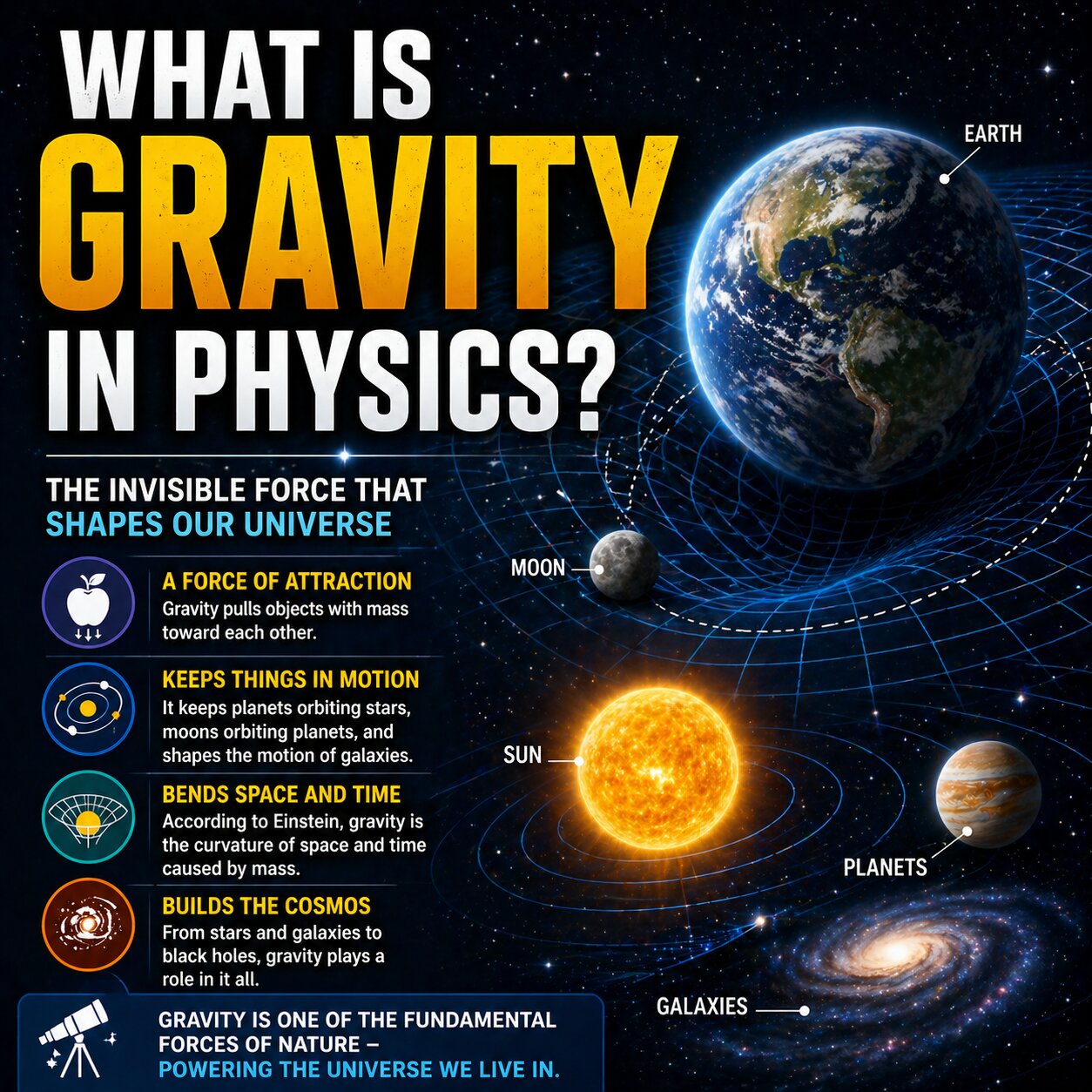
In physics, gravity is the natural force that pulls objects with mass towards one another. The larger the mass of an object, the stronger its gravitational pull becomes. Gravity affects everything from falling apples on Earth to the motion of planets, stars, black holes, and entire galaxies across the universe.
Understanding gravity in physics is essential for studying space science because nearly every major astronomical event or structure depends on gravitational forces.
How gravity works in physics
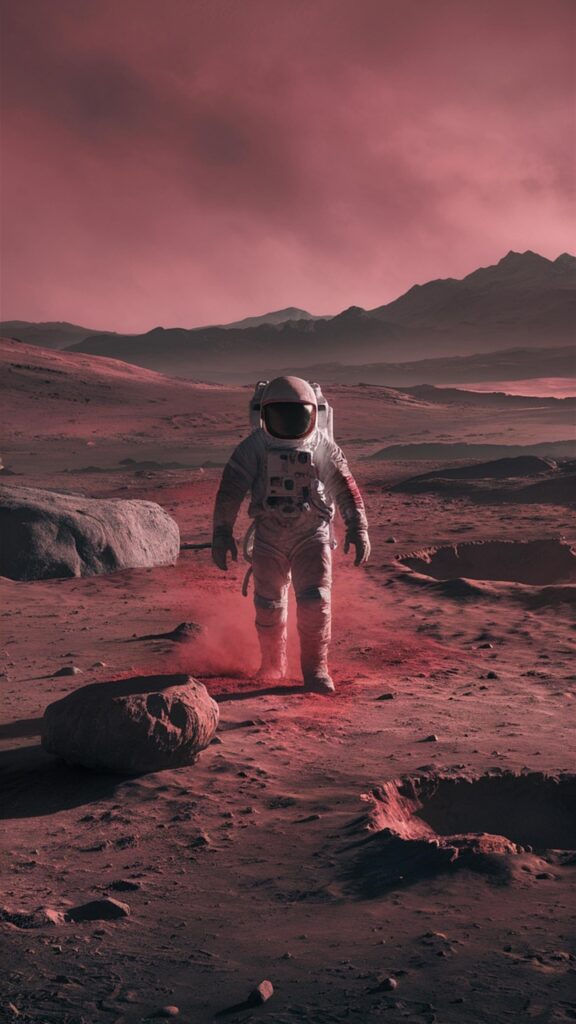
Gravity works through attraction between objects that have mass. Every object in the universe, no matter how small, produces its own gravitational pull. However, larger objects such as planets and stars create much stronger gravitational effects because they contain enormous amounts of mass.
On Earth, gravity pulls objects towards the centre of the planet. This is why people remain grounded instead of floating away into space. Earth’s gravity also keeps the atmosphere surrounding the planet and controls the movement of oceans and weather systems.
In space science, gravity controls orbital motion. Planets orbit stars because gravity constantly pulls them towards the star while their forward motion keeps them moving around it instead of crashing directly into it.
The Moon also remains in orbit around Earth because of gravity. At the same time, the Moon’s gravitational pull affects Earth’s oceans and creates tides.
Gravity and motion in space science
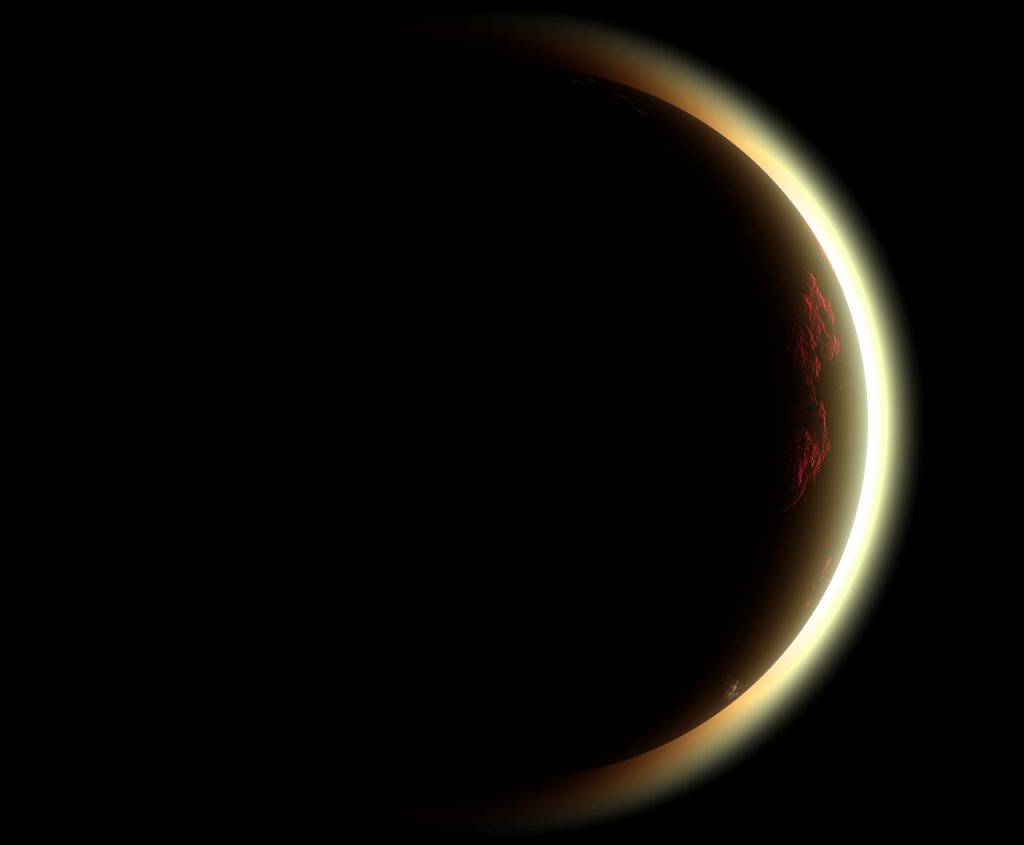
Gravity and motion work together throughout the universe. Without gravity, celestial bodies would move through space in straight lines forever. Instead, gravity bends and shapes movement across the cosmos.
Several major space science phenomena rely on gravity:
- Planetary orbits around stars
- Moons orbiting planets
- Formation of stars and galaxies
- Black hole creation
- Comets travelling through solar systems
- Asteroid belt movement
- Tidal forces on planets and moons
- Spacecraft slingshot manoeuvres
Gravity also plays a major role in star formation. Massive clouds of gas and dust slowly collapse under their own gravity until nuclear fusion begins, creating new stars.
Black holes are another extreme example of gravity in physics. These objects contain such enormous mass concentrated into tiny regions that their gravity becomes powerful enough to trap even light itself.
Isaac Newton and Albert Einstein’s views on gravity
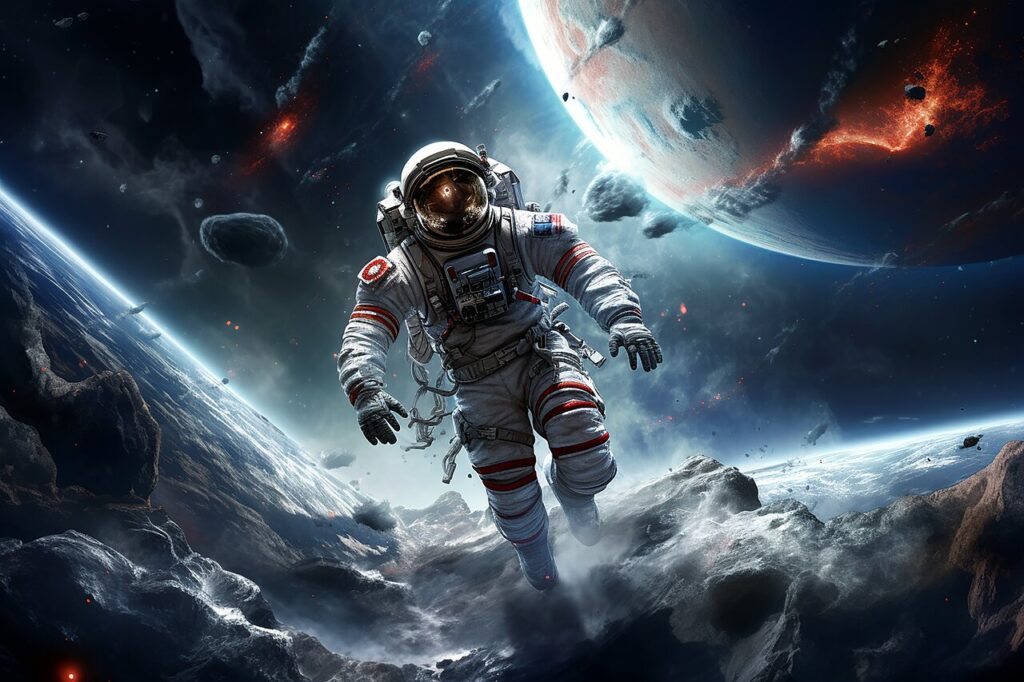
Isaac Newton helped revolutionise physics by describing gravity as a force of attraction between masses. His Law of Universal Gravitation explained how objects influence one another across distance and became one of the foundations of classical physics.
Centuries later, Albert Einstein expanded our understanding through the Theory of Relativity. Einstein proposed that gravity is not simply a pulling force but rather the bending of space and time caused by massive objects.
According to Einstein’s theory, planets orbit stars because the star bends spacetime around itself. Objects moving through this curved spacetime follow paths that appear as orbits.
Modern space science continues to use both Newtonian gravity and Einstein’s relativity depending on the scale and complexity of the calculations involved.
The Force That Shapes The Universe
Gravity in physics is far more than just the force that keeps humans standing on Earth. It is one of the fundamental forces shaping the entire universe. From the formation of stars and planets to the motion of galaxies and the existence of black holes, gravity influences nearly everything in space science.
As astronomers and physicists continue studying the universe, gravity remains one of the most fascinating and important subjects in modern science. Understanding how gravity works helps humanity better understand the structure, history, and future of the cosmos itself.