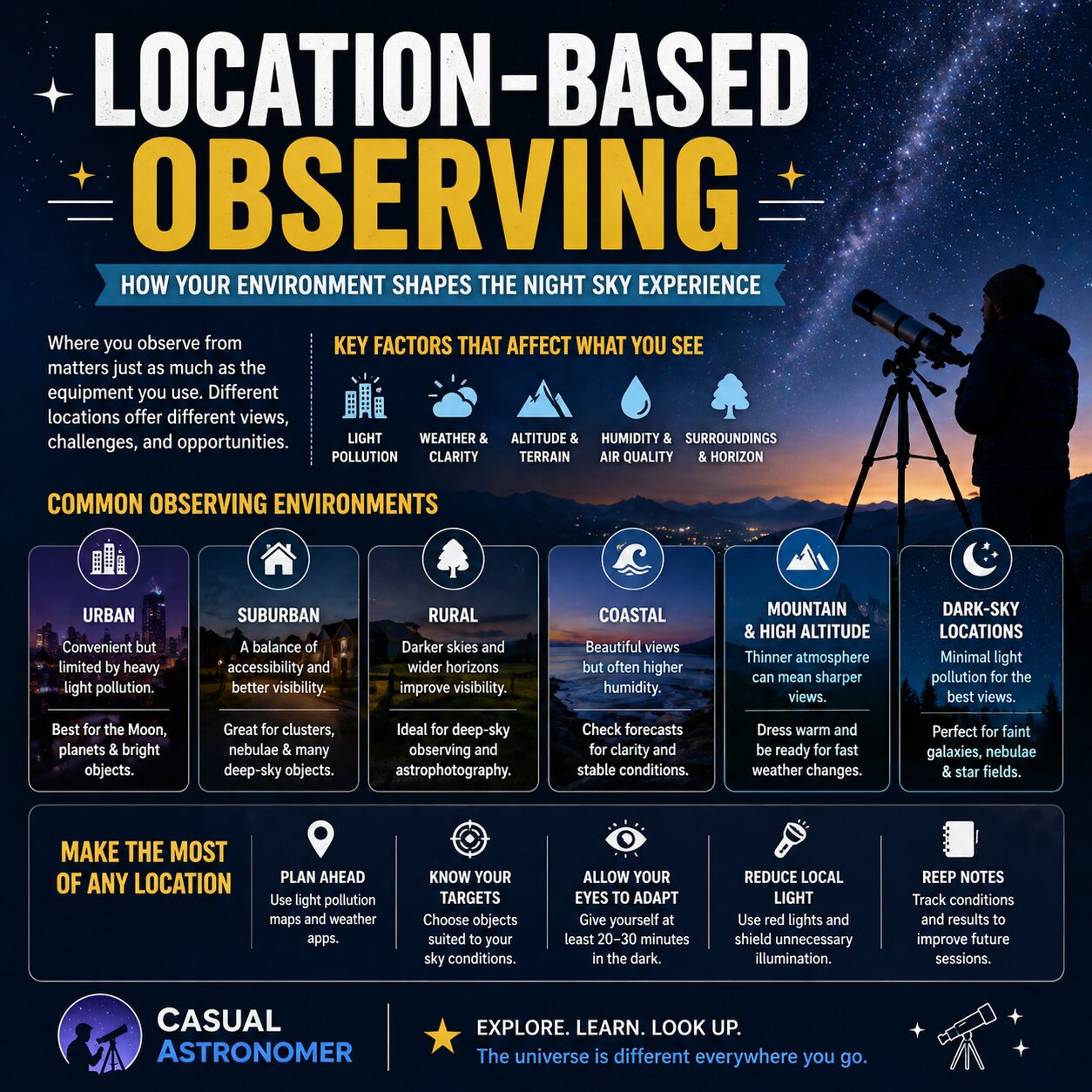

One of the most important aspects of astronomy is understanding how your surroundings influence what you can see in the night sky. Location-based observing is the practice of adapting astronomical observation techniques based on where you are viewing from, whether that is a city suburb, rural farmland, coastal region, mountain area, or dark-sky reserve.
Many beginners assume astronomy equipment alone determines the quality of stargazing experiences. While telescopes and cameras certainly help, the viewing location itself often has an even greater impact. Light pollution, weather patterns, altitude, humidity, and surrounding terrain all influence visibility and observation quality.
Learning the basics of location-based observing can help amateur astronomers make better decisions about when, where, and how to observe celestial objects. It also allows observers to maximise what they can see, even when conditions are not ideal.
Why observing locations matter so much
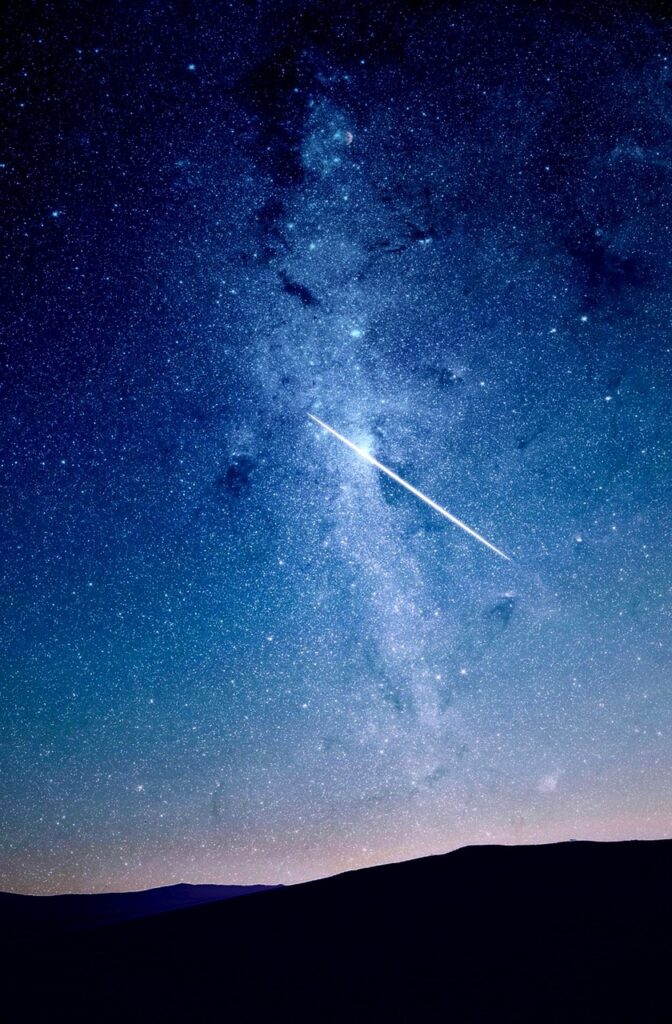
Every observing location offers a different experience of the night sky where you live. Urban environments often struggle with heavy light pollution, reducing visibility of faint stars, galaxies, and nebulae. Meanwhile, rural or remote areas may reveal thousands of stars invisible from city centres.
Atmospheric conditions also vary depending on location. Coastal areas sometimes experience increased humidity and cloud formation, while higher-altitude regions may provide clearer and more stable skies. Wind conditions, seasonal rainfall, and air pollution further affect observing quality.
Terrain can play a major role as well. Mountains, buildings, forests, and surrounding hills may block portions of the horizon, limiting visibility of certain celestial events or constellations.
Location-based observing helps astronomers understand these environmental variables so they can plan sessions more effectively. Even simple adjustments, such as moving away from nearby streetlights or choosing a different observing direction, can significantly improve visibility.
Common observing environments and their challenges
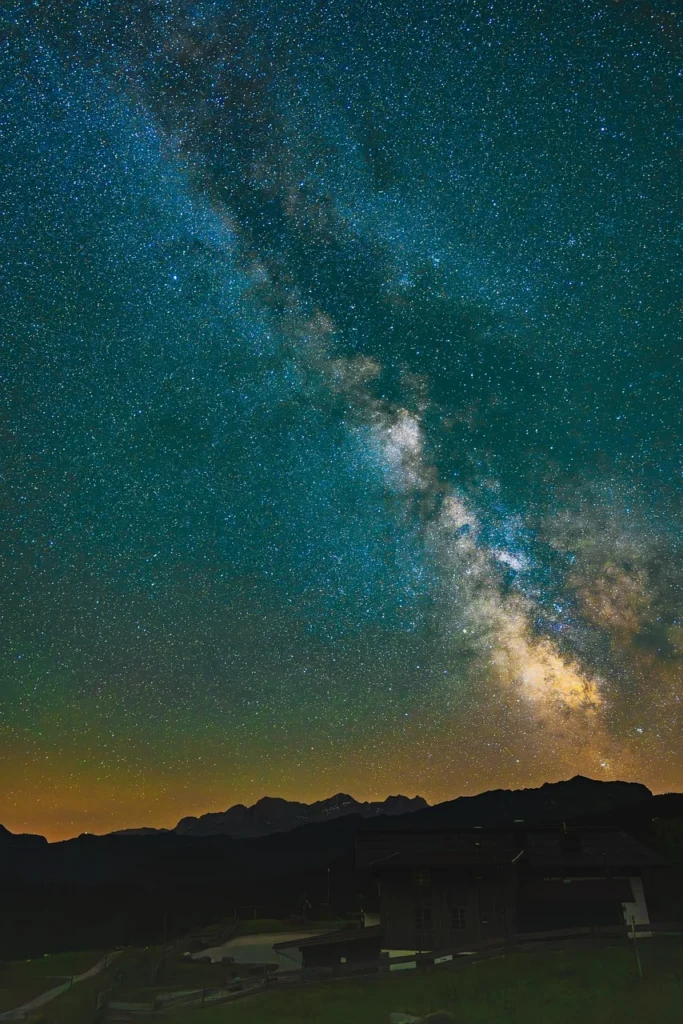
Different environments create different opportunities and limitations for skywatchers. Understanding these conditions is an important part of successful location-based observing.
Urban astronomy remains one of the biggest challenges due to widespread artificial lighting. However, observers in cities can still enjoy bright planets, the Moon, double stars, and some star clusters with proper planning.
Suburban areas often provide a balance between accessibility and improved visibility. These locations may still experience light pollution, but conditions are generally better than dense city environments.
Popular observing environments include:
- Urban city locations with heavy light pollution
- Suburban backyards and neighbourhood parks
- Rural farmland and countryside regions
- Coastal viewing areas near oceans or lakes
- Mountain and elevated observation points
- Dark-sky reserves and protected astronomy zones
- Desert regions with dry atmospheric conditions
- Remote wilderness locations with minimal artificial light
Each environment requires different observing strategies, equipment considerations, and preparation.
Adapting your astronomy sessions to your location
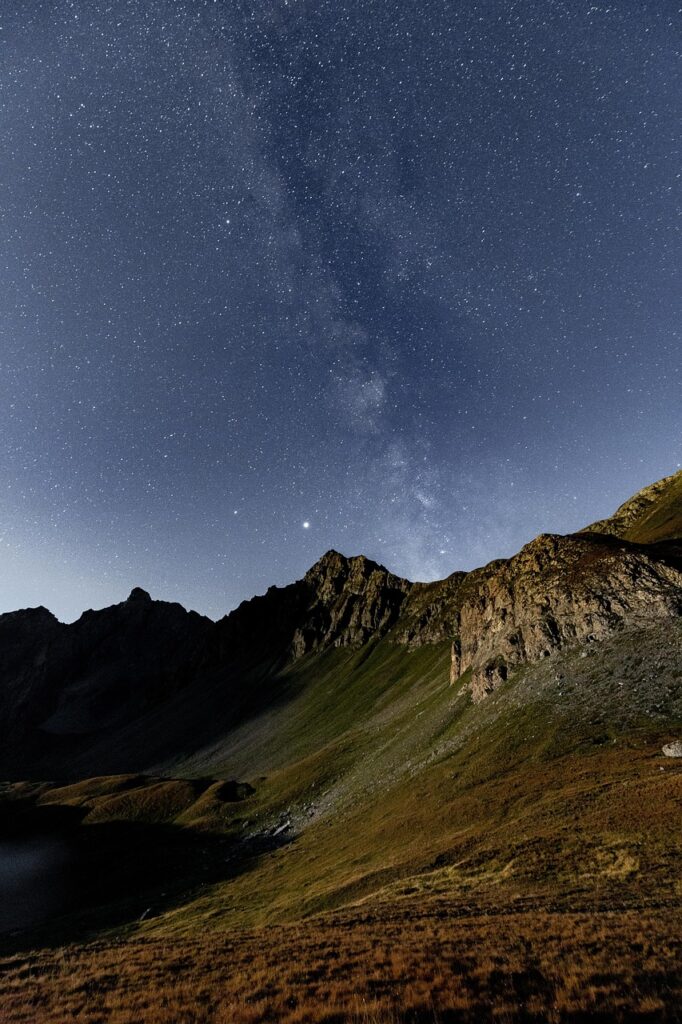
Successful location-based observing often comes down to preparation and flexibility. Astronomers who understand their environment can choose better observation targets and improve their viewing experiences dramatically.
For example, observers in light-polluted areas may focus on brighter celestial objects such as planets, the Moon, or major constellations. Meanwhile, observers in darker regions can explore faint deep-sky objects like galaxies and nebulae.
Planning around weather forecasts and Moon phases is also essential. Even the best observing location may produce poor results during cloudy or humid conditions.
Modern astronomy apps and light pollution maps have become valuable tools for location-based planning. These tools help observers identify darker skies and predict visibility conditions before travelling.
Astronomy is ultimately about learning to work with the sky rather than against it. Understanding your local environment allows you to appreciate the universe more effectively, no matter where you observe from.
At Casual Astronomer, we continue exploring practical astronomy topics that help beginners and enthusiasts build more rewarding stargazing experiences.