NASA’s Artemis II mission is already making history as humanity’s first crewed journey toward the Moon in over 50 years, but not all headlines are about distance records and breathtaking views. A rather unexpected issue aboard the Orion spacecraft has added a moment of humour and reality to life in space.
During Flight Day 4, astronauts reported a strange burning smell coming from the spacecraft’s toilet system, prompting Mission Control to investigate the source. While the situation is under control, it serves as a reminder that even the most advanced space missions still rely on very human systems.
For fans of science and pop culture alike, it’s hard not to think of the infamous engineering mishaps joked about in sitcoms like Big Bang Theory. But in real life, these systems are critical to mission success.
A strange smell in deep space
The Artemis II crew, currently en route to the Moon, alerted Mission Control after noticing a burning-like smell near the Orion spacecraft’s toilet. The odour was described as similar to an electric heater being switched on after a long period of inactivity.
Initial assessments suggested the smell could be linked to insulation within the hygiene system, though this was not definitively confirmed. Engineers on the ground are continuing to monitor the situation closely.
Despite the concern, NASA reassured the crew that there are no major risks at this stage. The astronauts have been cleared to continue using the toilet while further analysis is conducted.
It’s a small but notable reminder that space travel involves countless interconnected systems, many of which must perform flawlessly under extreme conditions.
Engineering challenges beyond rockets
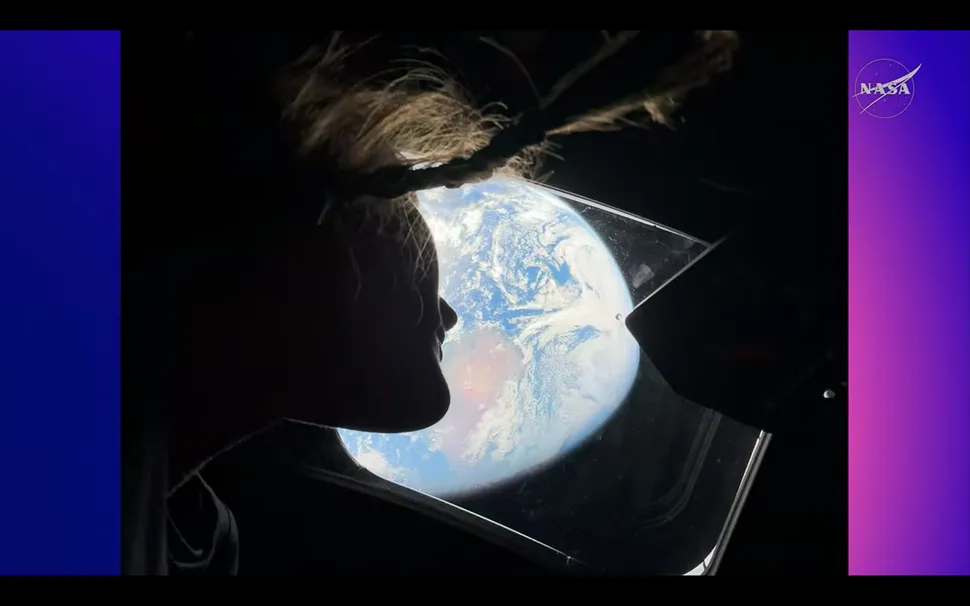
While rockets and propulsion systems often grab the spotlight, the reality of human spaceflight includes solving everyday challenges in extraordinary environments. Waste management systems, in particular, are among the most complex to design for space missions.
In microgravity, even simple tasks become engineering challenges. Fluids behave differently, airflow must be carefully controlled, and every component must function reliably over long durations.
The Orion spacecraft’s systems are designed with redundancy and safety in mind, allowing engineers to troubleshoot issues without compromising the mission. This is why even unexpected problems, like unusual smells, can be managed without immediate danger.
These behind-the-scenes systems are just as important as navigation and propulsion, ensuring astronauts can live and work safely throughout their journey.
Mission milestones continue despite the hiccup
Despite the minor issue, Artemis II continues to achieve major milestones. The crew has already travelled farther from Earth than many previous missions at this stage and is on track for a historic lunar flyby.
The astronauts are preparing for key observations and photography during their approach to the Moon, contributing to future mission planning and scientific research.
They are also set to break the distance record previously held by Apollo 13 astronauts, marking a new chapter in human space exploration.
These achievements highlight the resilience of both the crew and the systems supporting them, even when unexpected challenges arise along the way.
Key updates from Artemis II
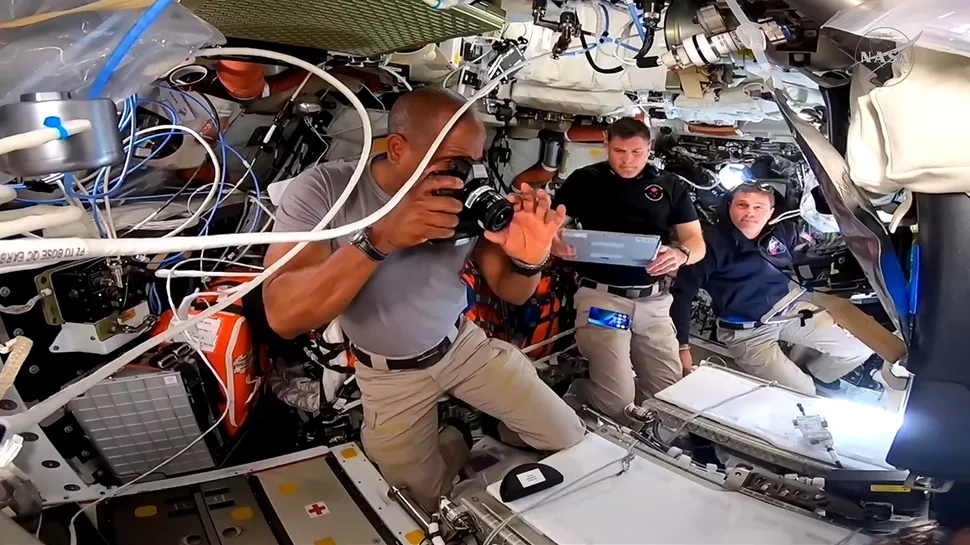
- Astronauts reported a burning smell from the Orion toilet system
- Mission Control believes there is no major risk to the crew
- Engineers are investigating the source of the odour
- The mission remains on track for its lunar flyby
- Artemis II is set to break historic distance records
A reminder that spaceflight is still human
Moments like this highlight an important truth about space exploration. No matter how advanced the technology becomes, human missions will always involve human needs, and with them, human challenges.
From life support systems to daily routines, every aspect of space travel must be carefully engineered and constantly monitored. Even something as mundane as a toilet becomes a critical component of mission success.
While the situation aboard Artemis II may bring a smile, it also underscores the incredible complexity of keeping astronauts safe and comfortable far from Earth.
As the mission continues, all eyes remain on Orion and its crew, not just for the milestones ahead, but for the lessons learned along the journey.