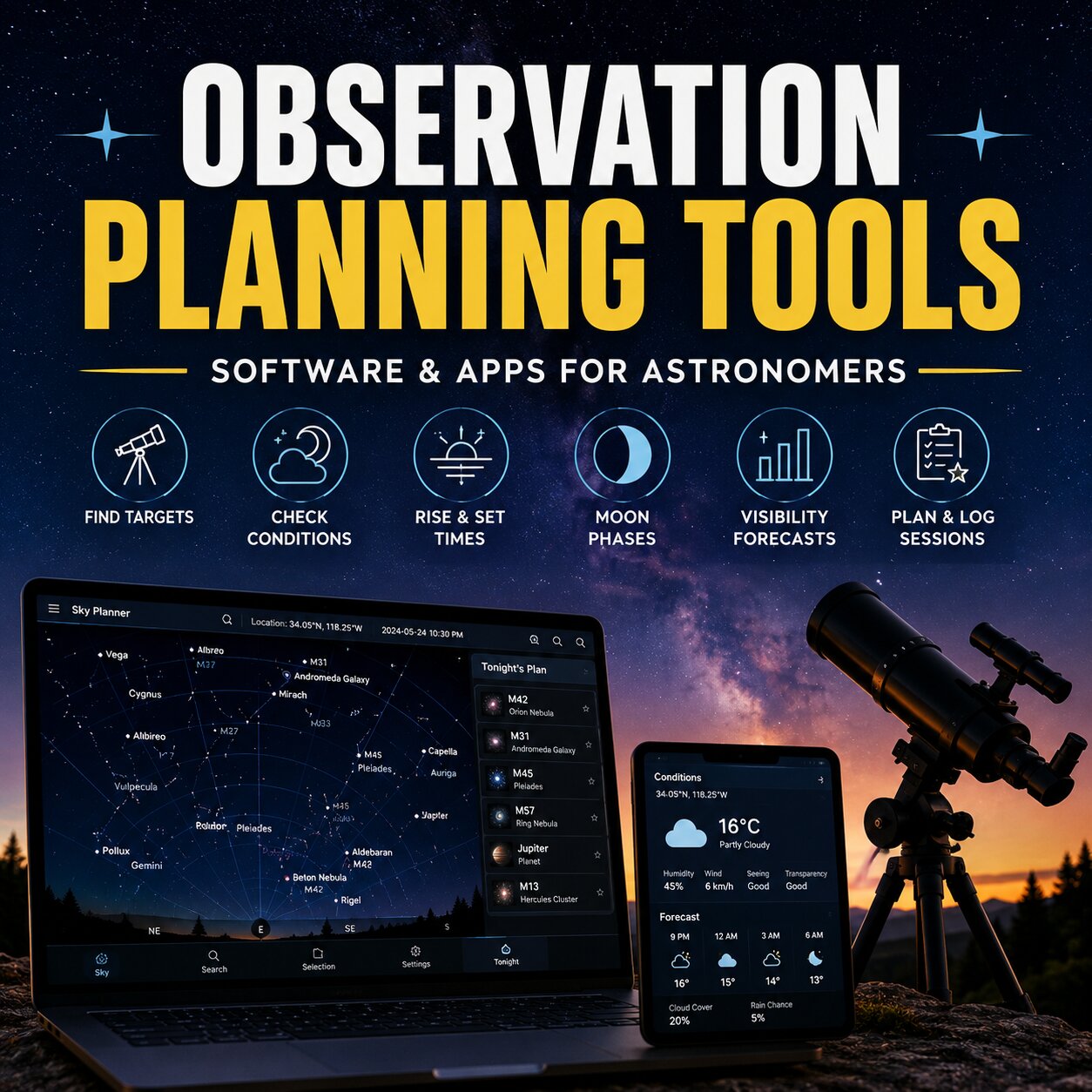

Telescope control software has become an essential tool for both amateur and professional astronomers. Instead of manually adjusting a telescope to track objects across the night sky, this software allows for precise, automated control using computers or mobile devices.
With telescope control software, observers can locate celestial objects, track them accurately, and even automate entire observation sessions. This transforms the way we explore the universe, making astronomy more accessible and far more efficient.
What telescope control software actually does

At its core, telescope control software acts as the bridge between your telescope and your digital device. It communicates with your mount, sending commands that control movement, alignment, and tracking.
This software can:
- Slew the telescope to specific coordinates
- Track celestial objects as they move
- Align the telescope with the night sky
- Sync with star databases and sky maps
By handling these tasks automatically, telescope control software removes much of the complexity involved in manual observation.
How telescope control software works
The functionality of telescope control software relies on communication protocols that connect your device to the telescope mount. This is usually done through USB, Wi-Fi, or Bluetooth connections.
Once connected, the software uses astronomical databases containing coordinates of stars, planets, galaxies, and other objects. When you select a target, the telescope control software calculates its position and directs the mount to move accordingly.
Tracking is another key feature. As the Earth rotates, celestial objects appear to move across the sky. Telescope control software continuously adjusts the mount to keep your target centred.
The role of alignment in accuracy
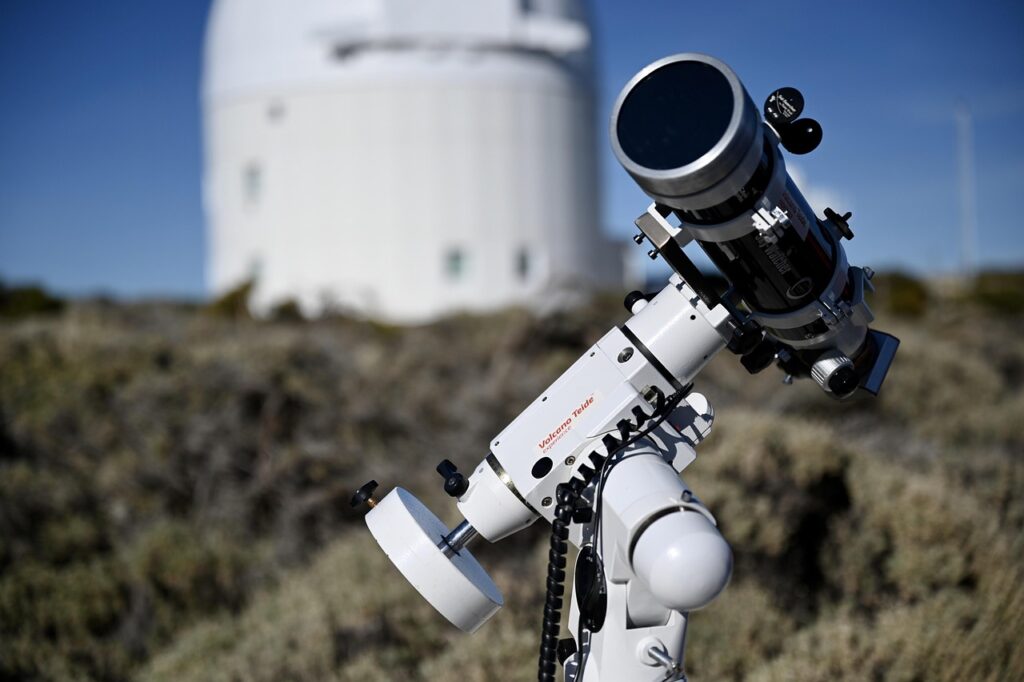
Before telescope control software can function correctly, alignment is crucial. This process involves calibrating your telescope with known stars so the system understands its orientation relative to the sky.
Once aligned, telescope control software can accurately locate thousands of objects. Without proper alignment, even the best software will struggle to point your telescope correctly.
Why it is important for astrophotography
For astrophotographers, control software for telescopes is not just helpful; it is essential. Long-exposure imaging requires precise tracking over extended periods, something that is nearly impossible to achieve manually.
The software ensures that:
- Stars remain sharp during long exposures
- Objects stay centred in the frame
- Imaging sessions can run automatically
This level of control allows astrophotographers to capture deep-sky objects with incredible detail.
Integration with modern astronomy tools
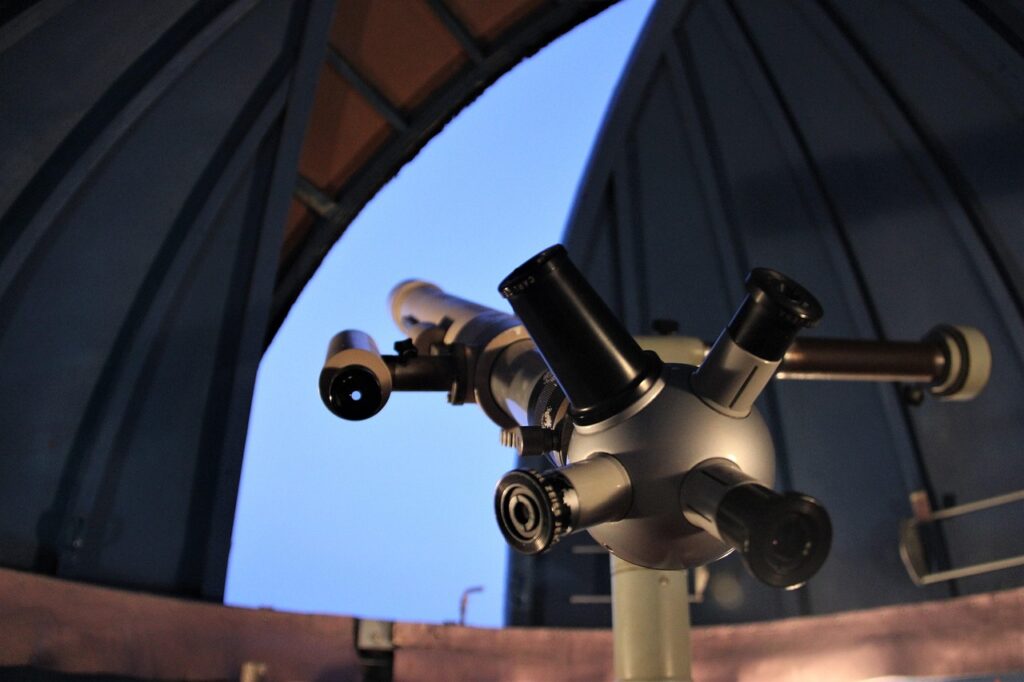
Control software for telescopes often works alongside other tools, creating a complete digital astronomy setup. It can integrate with imaging software, guiding systems, and planetarium apps.
This integration allows users to plan sessions, control equipment, and monitor results from a single interface. As a result, telescope control software becomes the central hub of an advanced observing setup.
Making astronomy more accessible
One of the biggest advantages of control software for telescopes is how it lowers the barrier to entry. Beginners no longer need to memorise star charts or manually navigate the sky.
Instead, they can use telescope control software to explore with confidence, learning as they go. This makes astronomy more approachable while still offering depth for experienced users.
A smarter way to explore the night sky
As technology continues to evolve, control software for telescopes is becoming more powerful and intuitive. It allows astronomers to spend less time adjusting equipment and more time observing the wonders of the universe.
Whether you are a beginner or an experienced observer, telescope control software opens up new possibilities for discovery, precision, and enjoyment under the stars.