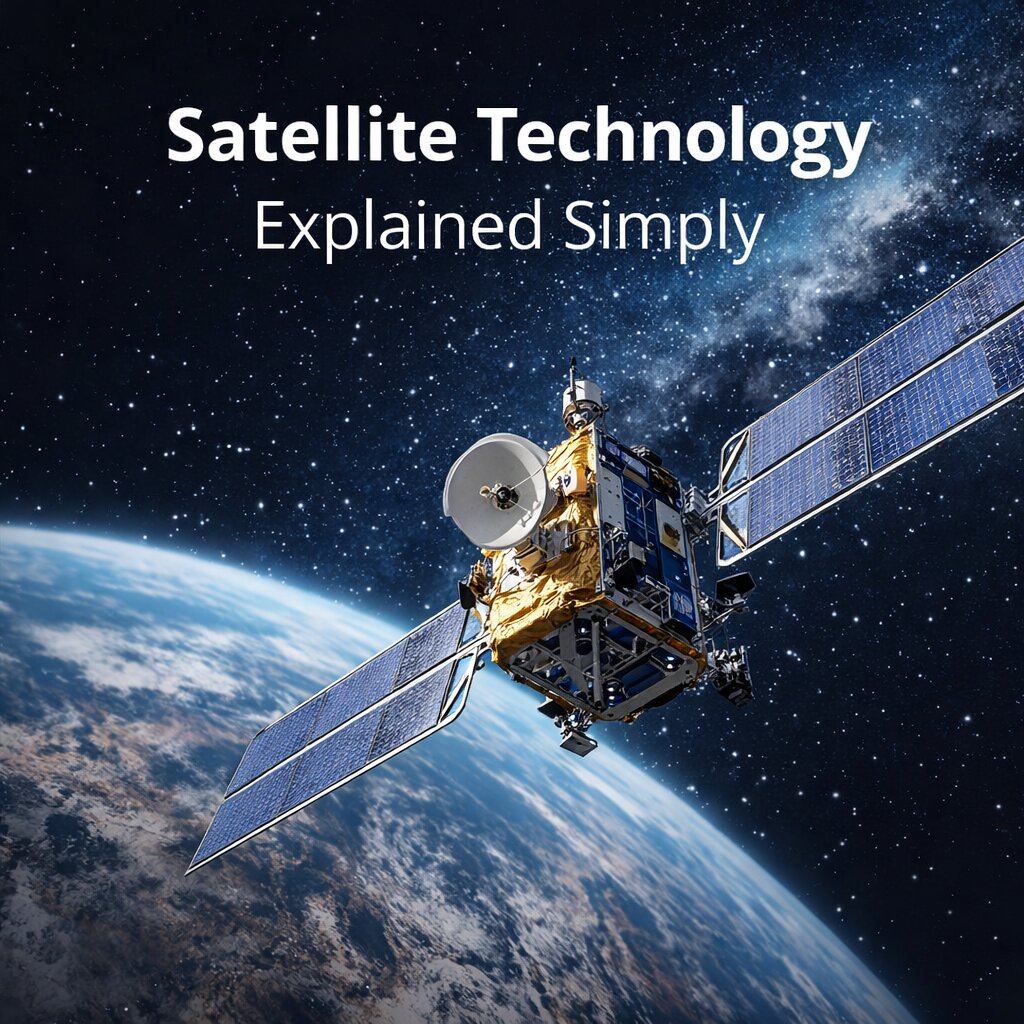

Satellite technology is something most people interact with every day without even realising it. From GPS navigation and weather forecasts to live TV broadcasts and internet connections, satellites quietly power a huge part of modern life from orbit above Earth.
But while we rely on it constantly, very few people actually understand how satellite technology works. How does something launched into space stay up there? How can it send signals across the planet? And why are there so many different types of satellites?
In this guide, we break down satellite technology in a simple, practical way. No complex science, just clear explanations of what satellites are, how they work, and why they matter in everyday life.
What is satellite technology?
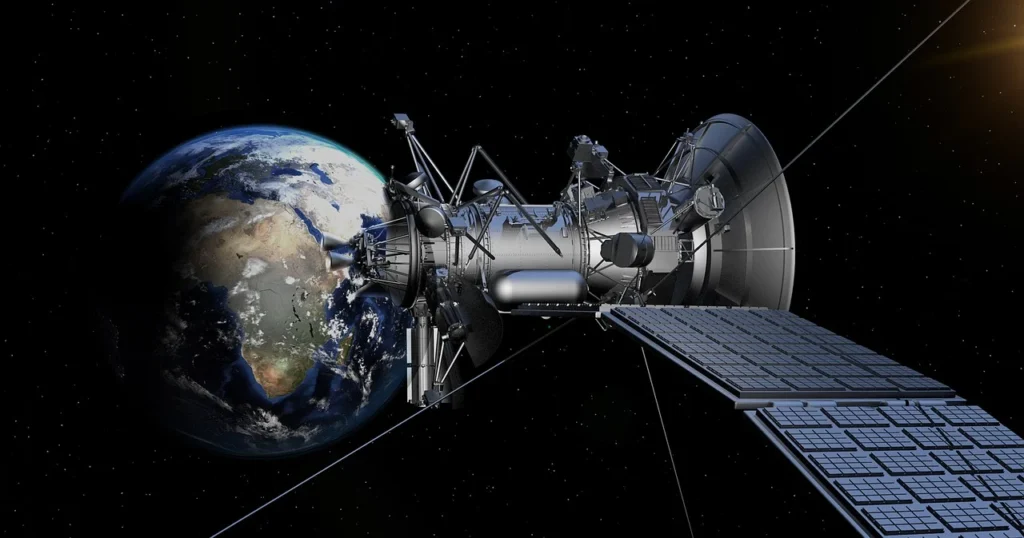
At its core, satellite technology refers to the use of objects placed into orbit around Earth to send, receive, and process information. These objects, called satellites, are essentially machines designed to perform specific tasks while circling the planet.
Satellites are launched into space using rockets and positioned at precise altitudes depending on their purpose. Once in orbit, they move at extremely high speeds to stay balanced between Earth’s gravity pulling them down and their forward motion keeping them from falling.
There are two main types of satellites. Natural satellites, like the Moon, and artificial satellites, which are built by humans. Satellite technology focuses on artificial satellites and their practical uses.
How satellites stay in orbit
One of the most fascinating parts of satellite technology is how satellites remain in space without falling back to Earth. The answer lies in a balance between gravity and speed.
A satellite is constantly falling toward Earth due to gravity. However, it is also moving forward at such a high speed that it keeps missing the planet. This creates a continuous loop, known as orbit.
Different orbits are used depending on the satellite’s purpose:
- Low Earth Orbit (LEO) for imaging and some communication
- Medium Earth Orbit (MEO) for navigation systems like GPS
- Geostationary Orbit (GEO) for weather and television satellites
Each orbit offers different advantages in terms of coverage, speed, and signal delay.
How satellite technology works
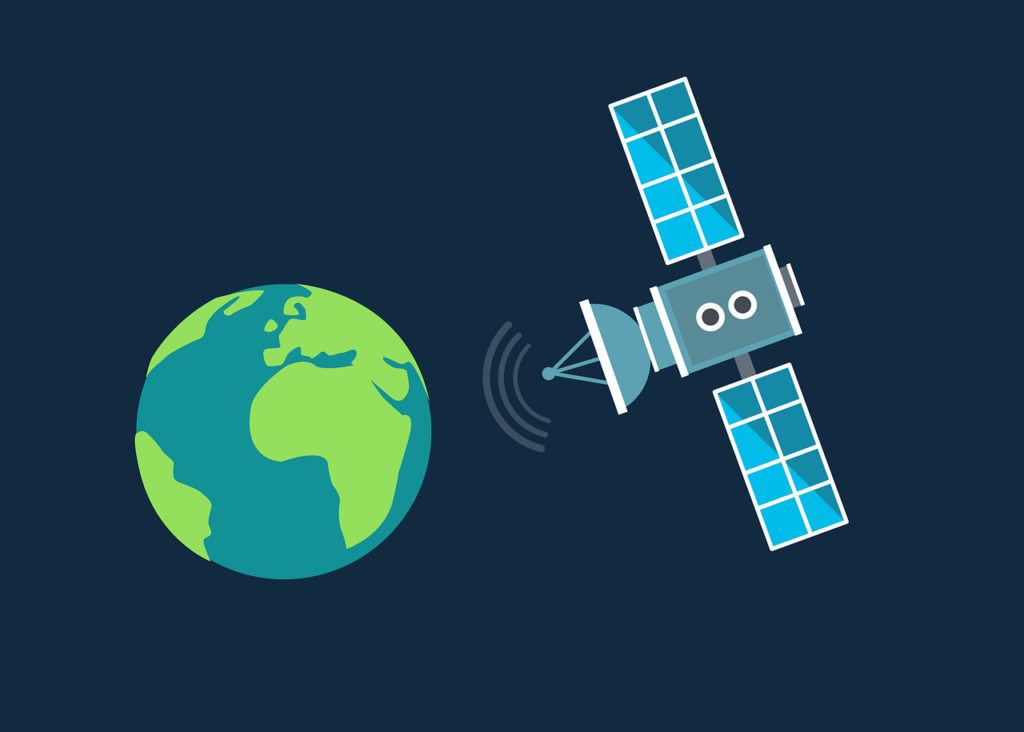
Satellite technology works through communication between three main components: the satellite in space, ground stations on Earth, and user devices like phones or GPS units.
A signal is sent from a ground station up to the satellite. The satellite receives this signal, processes or amplifies it, and then sends it back down to another location on Earth.
This process happens incredibly fast, often in fractions of a second, allowing for real-time communication across vast distances.
Satellites are equipped with solar panels for power, antennas for communication, and onboard computers to manage their functions. Despite being hundreds or thousands of kilometres away, they operate with high precision.
Types of satellites and what they do
There are many different types of satellites, each designed for a specific role. Satellite technology is not one single system but a network of specialised tools working together.
Common types include:
- Communication satellites for TV, phone, and internet services
- Weather satellites that track storms, clouds, and climate patterns
- Navigation satellites used for GPS and location services
- Earth observation satellites that monitor land, oceans, and environmental changes
- Scientific satellites that study space, stars, and cosmic phenomena
Each type plays a role in helping us understand and interact with both Earth and space.
Why satellite technology matters in everyday life
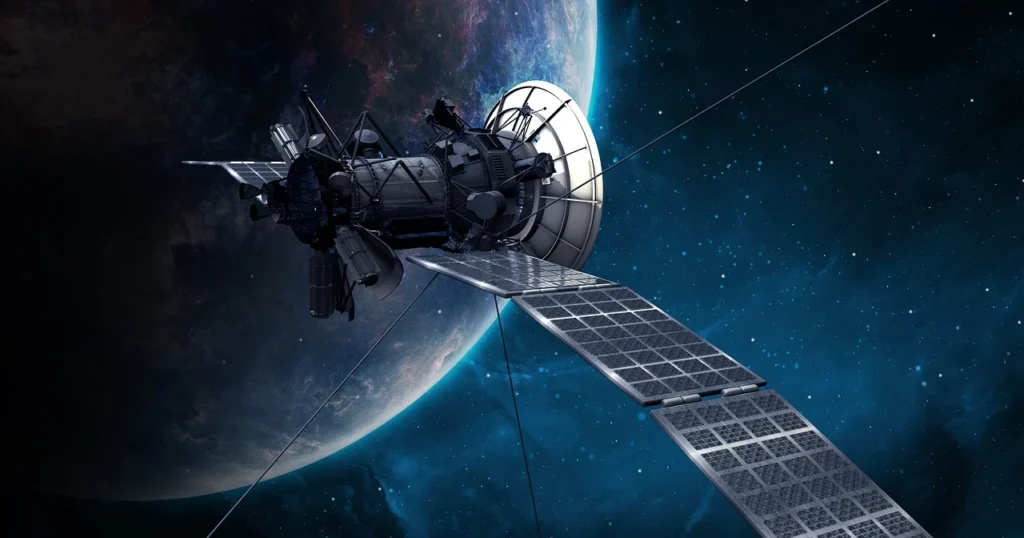
Satellite technology has become so integrated into daily life that most people use it without thinking about it. When you check the weather, use maps on your phone, or watch live broadcasts, satellites are working behind the scenes.
It enables global communication, improves disaster response, supports agriculture, and even helps aircraft and ships navigate safely.
Without satellite technology, many of the systems we rely on today would either not exist or be far less efficient.
Challenges and limitations of satellite technology
Despite its advantages, satellite technology comes with challenges. Launching satellites is expensive, and space is becoming increasingly crowded with debris and inactive satellites.
Signal delay can also be an issue, especially for satellites in higher orbits. Weather conditions, such as heavy rain, can sometimes interfere with signals as well.
There is also the growing concern of space debris, which can damage active satellites and create risks for future missions.
The future of satellite technology
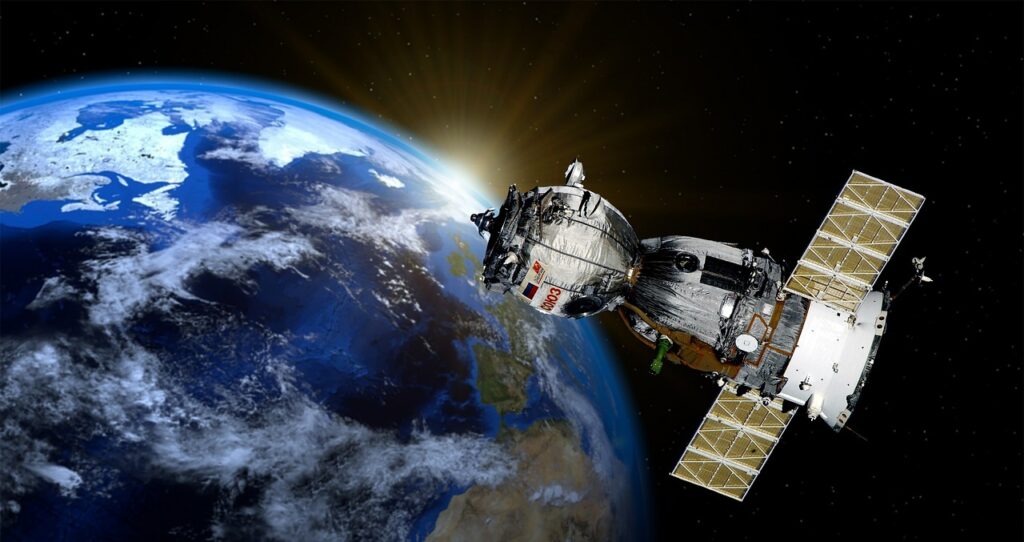
The future of satellite technology is rapidly evolving. New satellite constellations are being launched to provide global internet coverage, especially in remote areas.
Smaller, more efficient satellites are becoming more common, reducing costs and increasing accessibility. Advances in technology are also improving data speed, accuracy, and reliability.
As space becomes more active, satellite technology will continue to expand, shaping how we communicate, explore, and understand our world.
Why satellites are closer to your life than you think
Satellite technology might seem like something distant and complex, but it is deeply connected to everyday life. It helps people stay connected, informed, and safe, all from machines orbiting far above the Earth.
Understanding how it works not only makes modern technology more interesting but also shows just how much of our world depends on what is happening in space.