
Naked-eye astronomy is one of the oldest and most rewarding ways to explore the universe. Long before telescopes and cameras were invented, people studied the stars, planets, and celestial events using only their eyes. Today, naked-eye astronomy remains an excellent starting point for beginners who want to learn about the night sky without investing in expensive equipment.
Many people assume that astronomy requires powerful telescopes, but some of the most impressive celestial objects are visible through naked-eye astronomy alone. From bright planets and meteor showers to constellations and the Milky Way, there is plenty to discover simply by looking up.
This guide introduces the basics of naked-eye astronomy and explains how beginners can begin their journey into stargazing while gaining a deeper appreciation for the wonders of the cosmos.
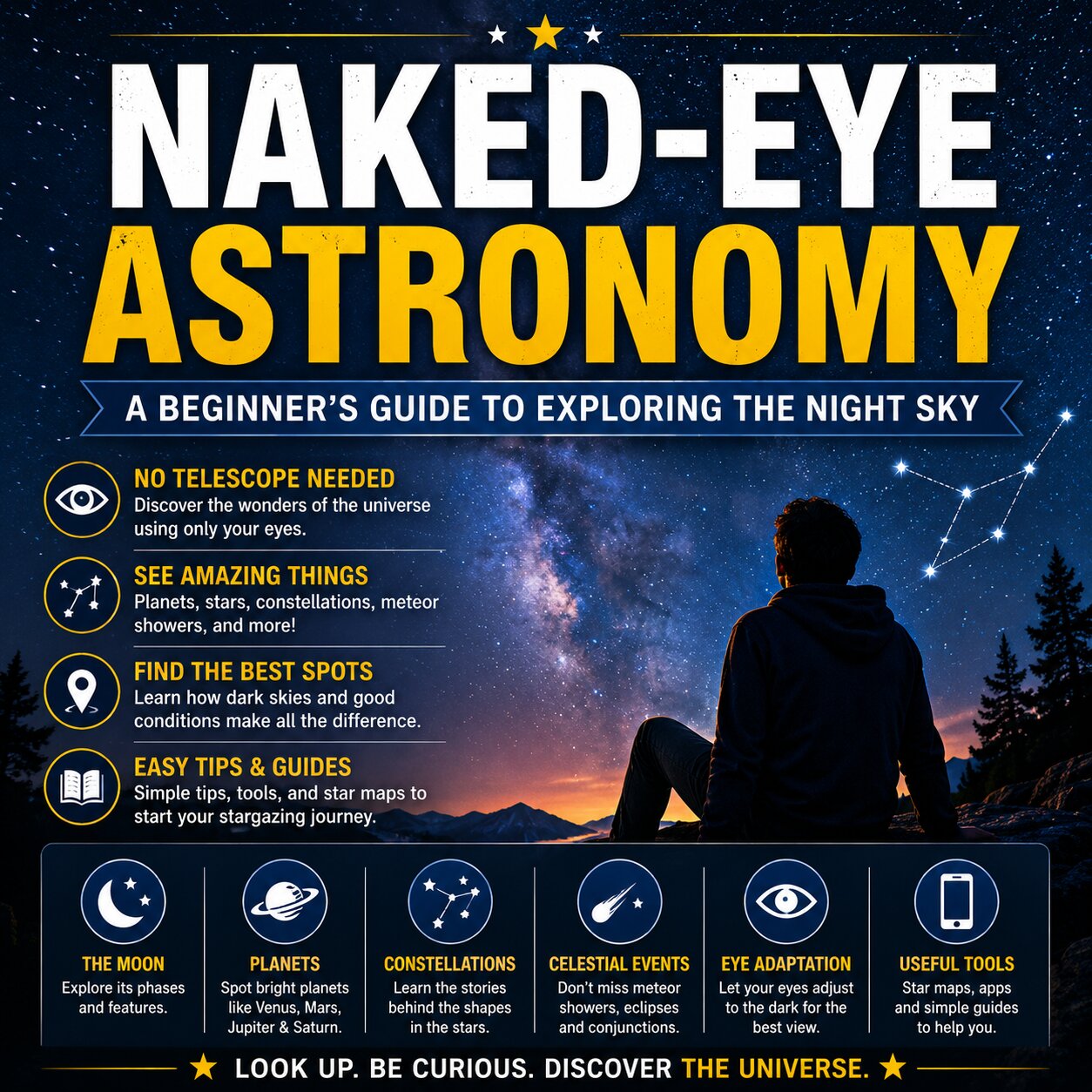
What can you see through naked-eye astronomy?
One of the greatest advantages of naked-eye astronomy is its accessibility. Anyone can participate regardless of age, experience, or budget.
The Moon is often the first object beginners observe. Its changing phases, bright appearance, and visible surface features make it a fascinating target throughout the month.
Several planets can also be seen using naked-eye astronomy. Venus often appears as a brilliant beacon near sunrise or sunset, while Mars displays a distinctive reddish colour. Jupiter and Saturn are also visible to the unaided eye under favourable conditions.
Beyond the planets, naked-eye astronomy allows observers to identify constellations, bright stars, star clusters, satellites, meteor showers, and even the faint glow of the Milky Way from dark locations.
Choosing the best location for observing
Successful naked-eye astronomy often depends on finding suitable observing conditions. Light pollution from cities and towns can significantly reduce the number of visible stars.
Dark-sky locations provide the best opportunities for naked-eye astronomy. Rural areas, nature reserves, and remote locations often reveal thousands of stars that are hidden in urban environments.
Weather also plays an important role. Clear skies with low humidity generally provide better viewing conditions than cloudy or hazy nights.
Allowing your eyes to adapt to darkness is equally important. After spending 20 to 30 minutes away from bright lights, your vision becomes much more sensitive, revealing many more celestial objects.
Essential skills for beginner stargazers
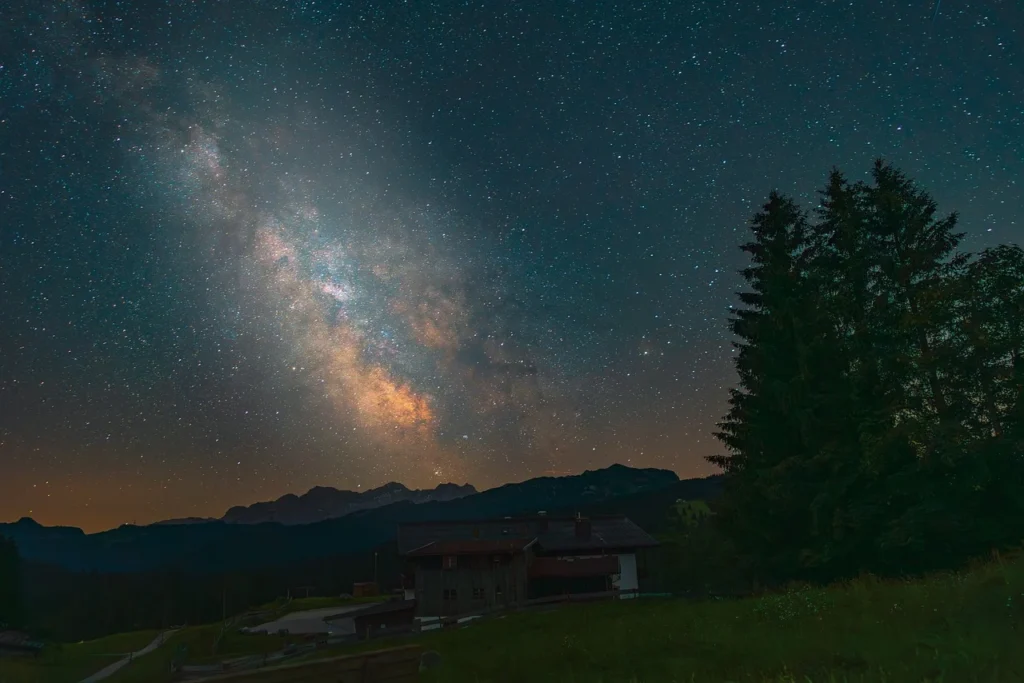
Developing a few basic skills can greatly enhance the naked-eye astronomy experience.
Learning the major constellations is an excellent starting point. Familiar patterns such as Orion, Crux, Scorpius, and Vela can help observers navigate the night sky and locate other celestial objects.
Understanding cardinal directions is also useful. Knowing where north, south, east, and west are located helps identify when and where specific objects will appear.
Many beginners benefit from using star charts, astronomy books, or mobile applications that assist with object identification. These tools make naked-eye astronomy more educational and enjoyable.
Keeping an observation journal can further improve learning by recording observations, celestial events, and personal discoveries over time.
Celestial events perfect for naked-eye astronomy
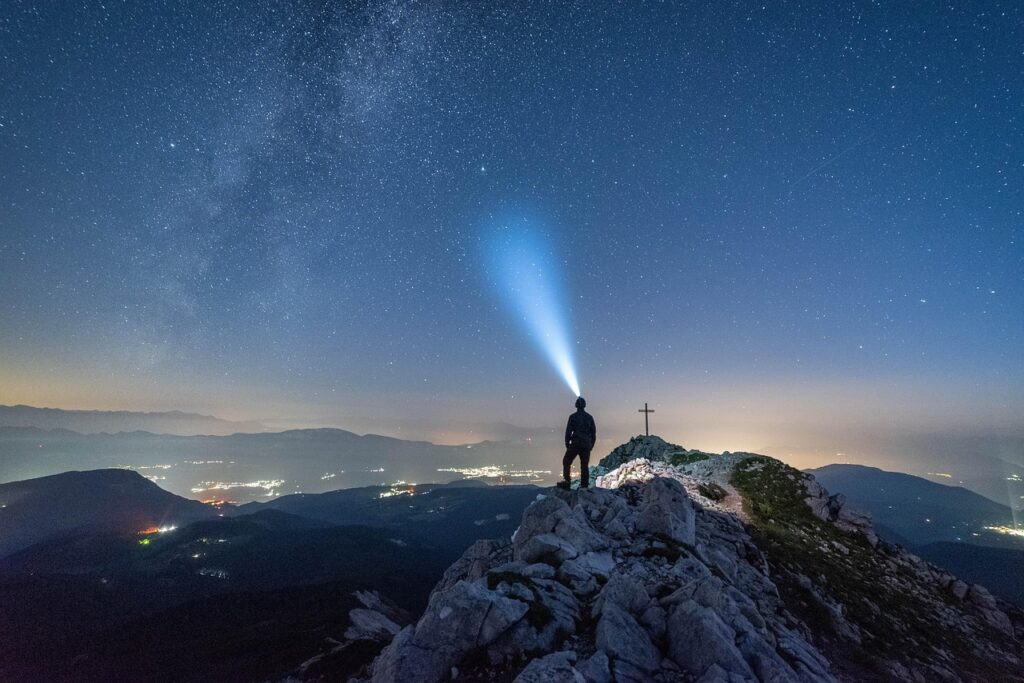
Some astronomical events are particularly well-suited to naked-eye astronomy and often inspire newcomers to become lifelong enthusiasts.
Popular events include:
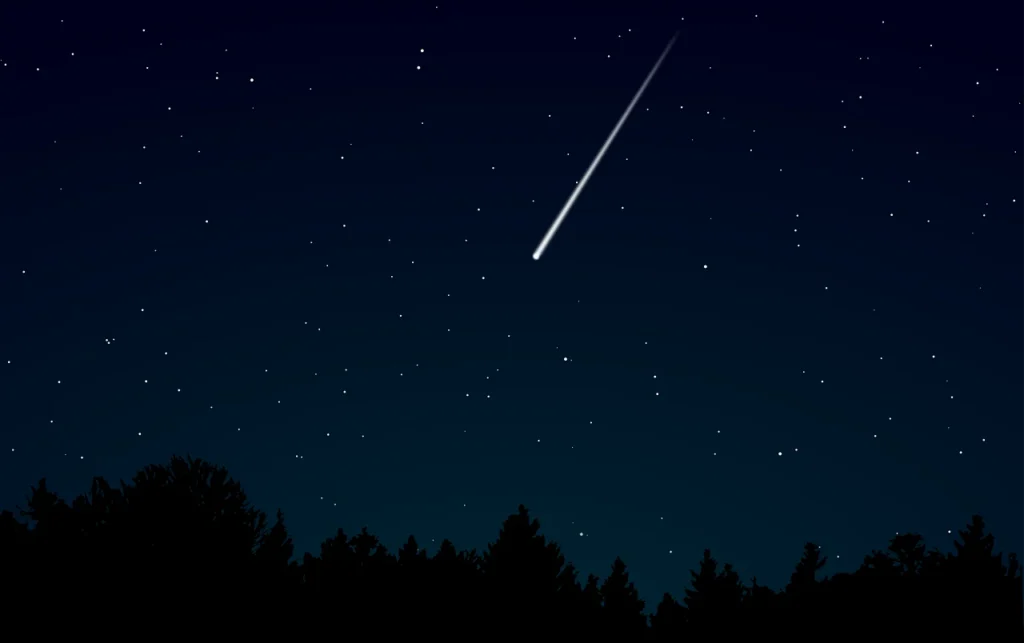
- Meteor showers such as the Perseids and Geminids.
- Lunar eclipses.
- Solar eclipses using approved viewing methods.
- Planetary conjunctions.
- Bright comet appearances.
- Supermoons.
- Visible International Space Station passes.
- Planet alignments.
These events require little or no specialised equipment and often provide spectacular viewing opportunities.
Following astronomy news and observing calendars can help ensure that you never miss these exciting celestial displays.
A lifetime of discovery above your head
Naked-eye astronomy proves that exploring the universe does not require expensive equipment or advanced technical knowledge. With patience, curiosity, and clear skies, anyone can begin discovering the wonders of the night sky.
The more time you spend observing, the more familiar the stars and planets become. Over time, naked-eye astronomy helps develop a deeper understanding of celestial movements, seasonal changes, and the vast scale of the cosmos itself.
Whether you are identifying your first constellation, watching a meteor streak across the sky, or admiring the Milky Way from a dark location, naked-eye astronomy offers a simple yet powerful way to connect with the universe and begin an exciting journey of lifelong exploration.