January marks the heart of summer in South Africa, bringing warm evenings, shorter nights, and some of the most rewarding casual stargazing of the year. While the nights may be brief, the skies are rich with bright planets, seasonal constellations, and striking lunar views that are ideal for both beginners and experienced observers.
With clear summer weather common across much of the country, January is an excellent time to step outside with the naked eye, binoculars, or a small telescope and reconnect with the night sky.
The January full Moon and lunar observing
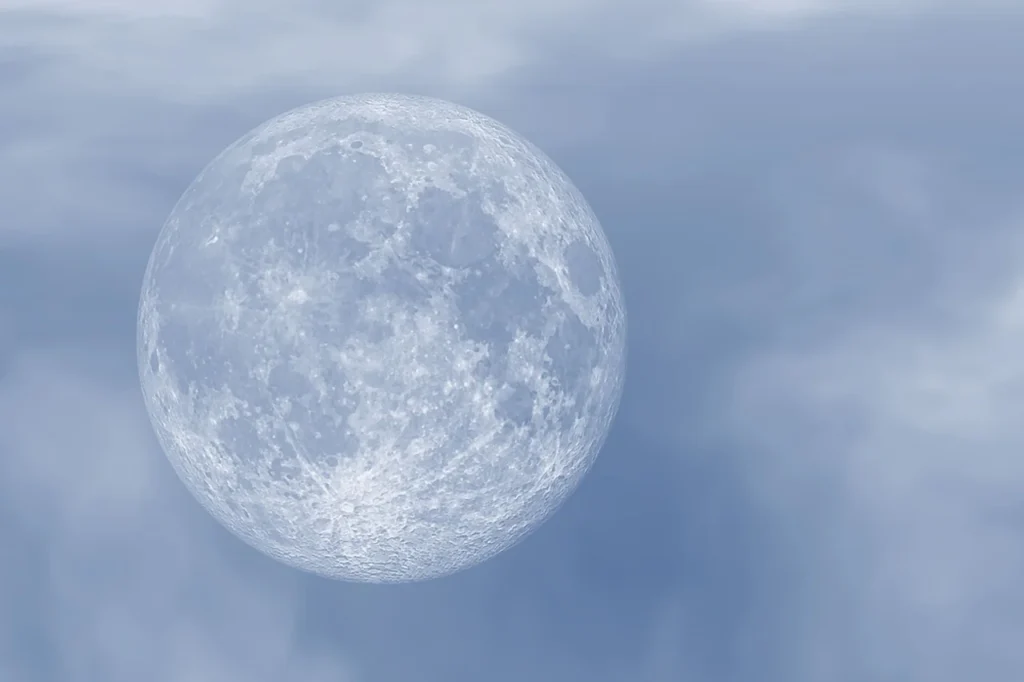
January’s full Moon, often referred to as the Wolf Moon, rises high in the summer sky. In South Africa, the Moon’s path appears slightly higher and more tilted compared to northern regions, offering long, bright moonlit nights.
While full Moon light can wash out faint stars, it is a great time to explore lunar features through binoculars or a telescope. Craters, mountain ranges, and maria remain impressive targets, especially along the Moon’s terminator in the days before and after full phase.
Planets on display in summer skies

January evenings often feature bright planets that are easy to spot without specialised equipment. Venus frequently dominates the early evening or pre-dawn sky, shining brilliantly low on the horizon. Depending on the year, Jupiter and Mars may also be visible, offering rewarding telescope views of cloud bands, moons, or surface colour.
For South African observers, planets appear high and steady in the sky during summer, reducing atmospheric distortion and improving viewing quality.
Summer constellations and the Milky Way
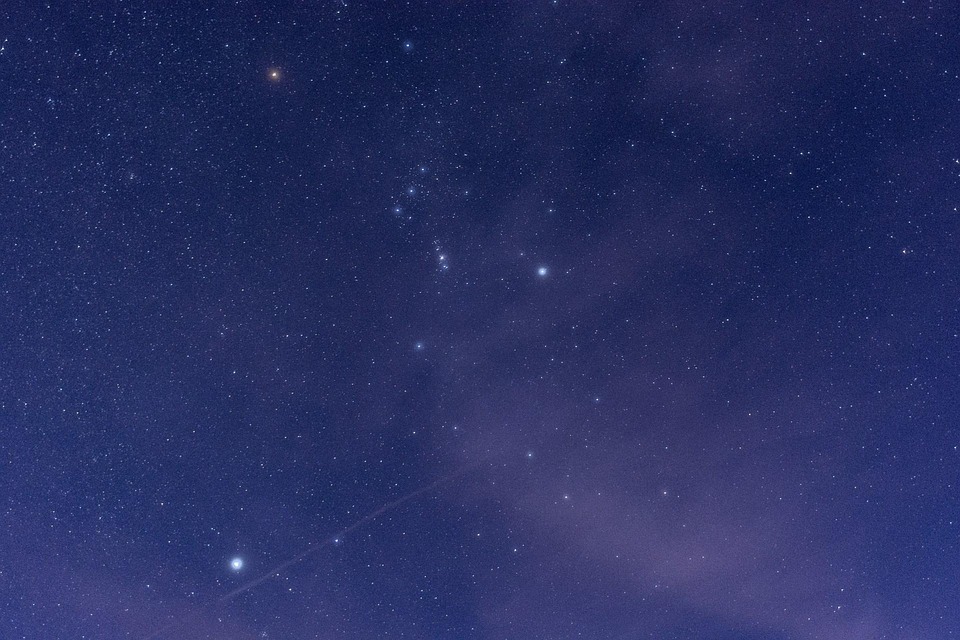
January is prime season for viewing southern constellations. Orion remains a standout feature, easily recognised by its belt and bright stars. Nearby, Canis Major hosts Sirius, the brightest star in the night sky, which shines exceptionally bright from southern latitudes.
The Milky Way stretches richly across the sky during summer nights, especially from darker rural locations. Binoculars reveal dense star fields, star clusters, and glowing nebulae that are invisible to the naked eye.
Ideal conditions for casual observing
Warm temperatures make January especially welcoming for relaxed stargazing sessions. Short, informal observing windows are often enough to enjoy the highlights, making it an ideal month for families, beginners, and anyone easing into astronomy.
Even from suburban areas, bright stars, planets, and the Moon remain accessible, while darker skies unlock far more detail for those able to travel slightly away from city lights.
A summer sky worth stepping outside for
January may not bring dramatic eclipses or rare events every year, but it offers something just as valuable: reliable, beautiful night skies that reward regular observation. For South African skywatchers, it’s a month to enjoy familiar constellations, bright planets, and warm evenings under the stars.
Whether you’re using your eyes, binoculars, or a telescope, January is a reminder that astronomy doesn’t always require rare events. Sometimes, the everyday sky is more than enough.