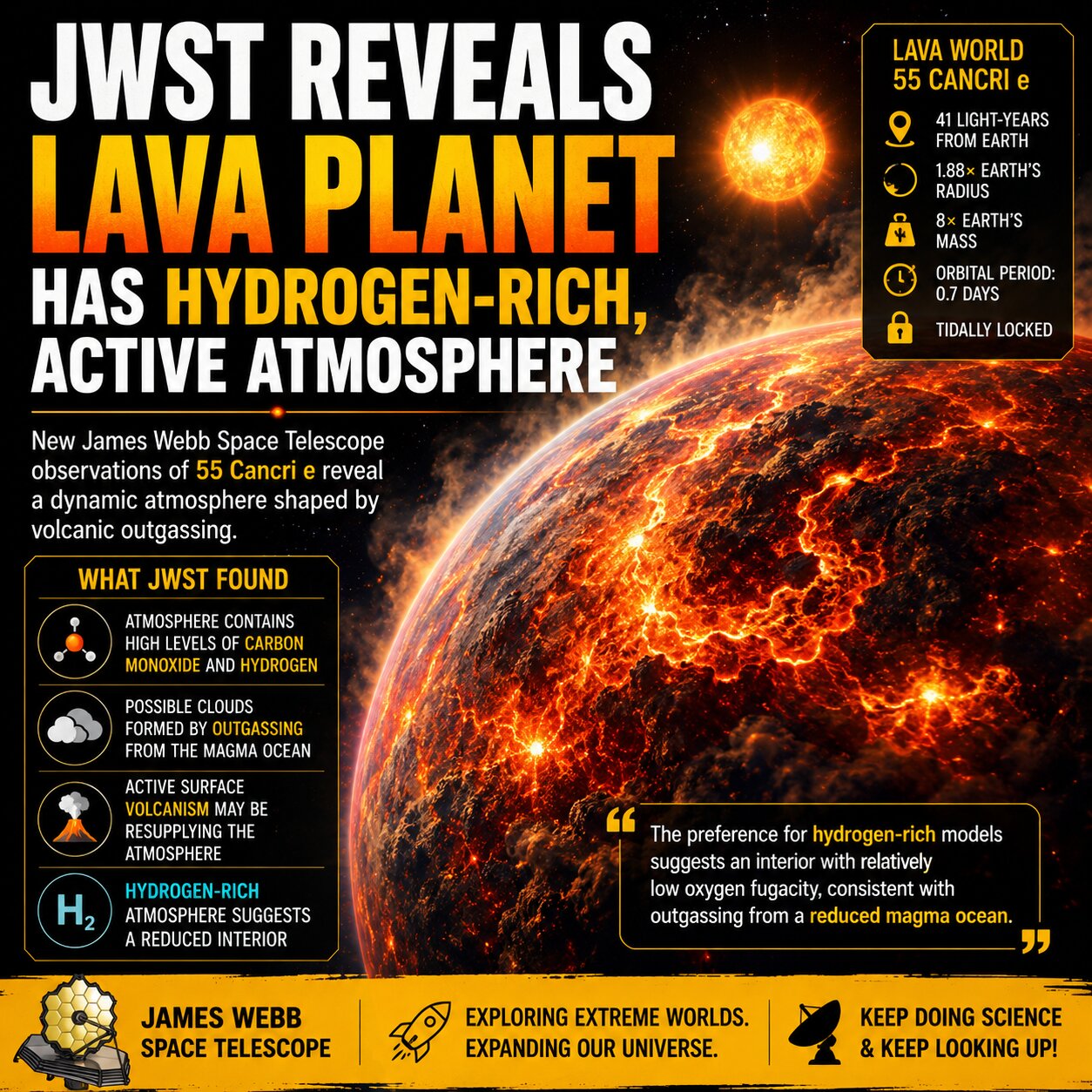
Choosing the right telescope can feel overwhelming when you are just starting out. With so many designs, specifications, and price ranges available, beginners often worry about buying the wrong equipment. The good news is that telescopes for beginners are easier to understand than they first appear, and the right choice depends more on observing goals than technical complexity.
This guide explains what beginners should know before choosing a telescope, helping new stargazers start their astronomy journey with confidence and realistic expectations.
What beginners can expect to see with a telescope
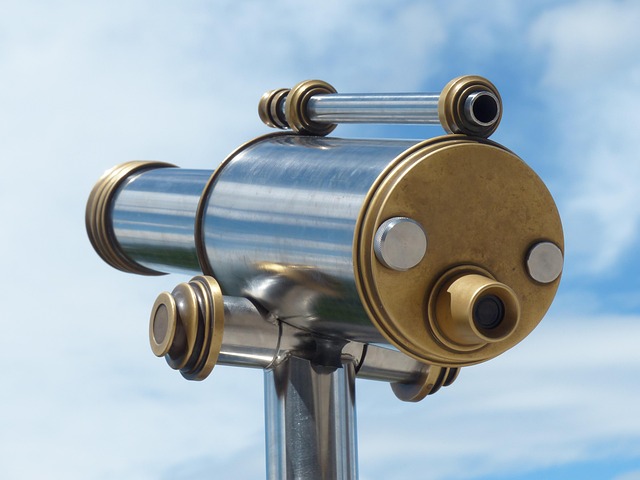
One of the most common misconceptions about telescopes for beginners is expecting dramatic, colourful views like those seen in space photographs. In reality, beginner telescopes reveal the Moon in stunning detail, show planets such as Jupiter and Saturn clearly, and open up views of star clusters and brighter deep-sky objects.
The goal of a beginner telescope is not perfection, but discovery. Learning how to locate objects, understand the night sky, and develop observing skills is far more important than chasing high magnification or advanced features.
Understanding basic telescope types
When choosing telescopes for beginners, understanding the main telescope designs helps narrow options quickly. Each type has strengths that suit different observing styles, budgets, and levels of patience. Knowing these differences makes it easier to choose a telescope that matches how and where you plan to observe.
Refractor Telescopes (Lens-Based)
Refractor telescopes use glass lenses to focus light and are often the simplest option for beginners. They require little maintenance, hold their alignment well, and deliver crisp views of the Moon, planets, and brighter stars.
Best for beginners who:
- Want a low-maintenance telescope
- Prefer quick setup and minimal adjustment
- Enjoy observing the Moon and planets
- Observe from balconies or small gardens
Refractors are commonly found on simple mounts and are easy to use straight out of the box, making them a popular first choice.
Reflector Telescopes (Mirror-Based)
Reflector telescopes use mirrors instead of lenses, allowing larger apertures at lower cost. This makes them excellent for viewing fainter objects such as nebulae, galaxies, and star clusters.
Best for beginners who:
- Want the most light-gathering power for their budget
- Are interested in deep-sky objects
- Have space to store a slightly larger telescope
- Don’t mind occasional basic maintenance
Many beginner-friendly reflectors come in Dobsonian mounts, which are stable, intuitive, and widely recommended for first-time users.
Compound (Catadioptric) Telescopes
Compound telescopes combine lenses and mirrors into a compact design. They are versatile and portable but tend to be more expensive than other beginner options.
Best for beginners who:
- Need a compact telescope for storage or travel
- Want versatility for different types of observing
- Are comfortable with a slightly higher learning curve
While not always the first recommendation, compact compound telescopes can suit beginners with limited space.
Which telescope type is easiest for beginners?
For most beginners, refractor telescopes and Dobsonian reflectors offer the best balance of ease of use, performance, and value. They allow new stargazers to focus on learning the sky rather than managing complex equipment.
The “best” telescope is not the most powerful one, but the one that gets used most often.
Aperture matters more than magnification
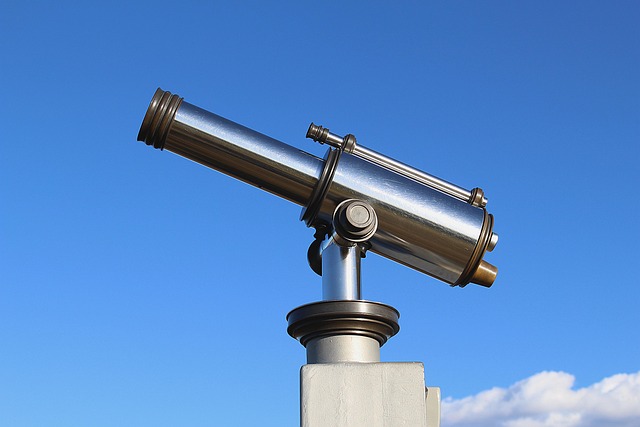
One of the biggest misunderstandings beginners face when shopping for telescopes is the emphasis on magnification. Boxes often advertise extremely high magnification numbers, but in real observing, magnification is far less important than aperture. Understanding this difference helps beginners avoid disappointment and choose equipment that actually performs well under the night sky.
What aperture means in simple terms
Aperture is the diameter of the telescope’s main lens or mirror. It determines how much light the telescope can collect, which directly affects image brightness and detail.
In practical terms, larger aperture means:
- Brighter views of planets and deep-sky objects
- Better detail on the Moon and planets
- Improved ability to see faint objects like nebulae and galaxies
Magnification does not create detail. Aperture does.
Why high magnification can be misleading
High magnification numbers look impressive on packaging, but they often create unrealistic expectations. Without sufficient aperture, high magnification only produces dim, blurry, and unstable images.
Problems caused by chasing magnification include:
- Dark, low-contrast views
- Difficulty keeping objects in view
- Increased effects of atmospheric turbulence
- Greater frustration for beginners
This is why experienced astronomers rarely judge a telescope by magnification alone.
A simple beginner rule of thumb
For telescopes for beginners, a practical guideline is to focus on aperture first, then consider magnification later through eyepiece choices.
As a general starting point:
- Small refractors benefit from moderate magnification
- Larger reflectors perform well at lower magnification with brighter views
- A stable, well-aligned telescope will outperform a shaky one with higher power
A beginner telescope with a modest aperture and steady mount will consistently deliver better results than a high-magnification telescope with poor optics.
What aperture sizes work well for beginners
Most beginner telescopes fall within a manageable aperture range that balances performance and usability.
Common beginner-friendly aperture ranges include:
- Small refractors for lunar and planetary observing
- Medium reflectors for mixed planetary and deep-sky observing
- Larger Dobsonian reflectors for maximum light collection on a budget
The key is choosing an aperture that fits your observing space, storage options, and willingness to transport the telescope.
Seeing more by using less power
Many beginners are surprised to discover that some of the most satisfying views come from lower magnification. Wide-field views make it easier to find objects, keep them in view, and enjoy star clusters and nebulae.
By prioritising aperture over magnification, beginners set themselves up for clearer, brighter, and more rewarding observing experiences.
The importance of a stable mount
A telescope is only as good as its mount. For beginners, stability is essential. A shaky or complicated mount can quickly lead to frustration, even if the telescope itself is optically sound.
Simple alt-azimuth mounts are often recommended for telescopes for beginners because they move naturally up, down, left, and right. Stable tripods and mounts allow beginners to focus on observing rather than fighting vibrations or alignment issues.
Portability and ease of use
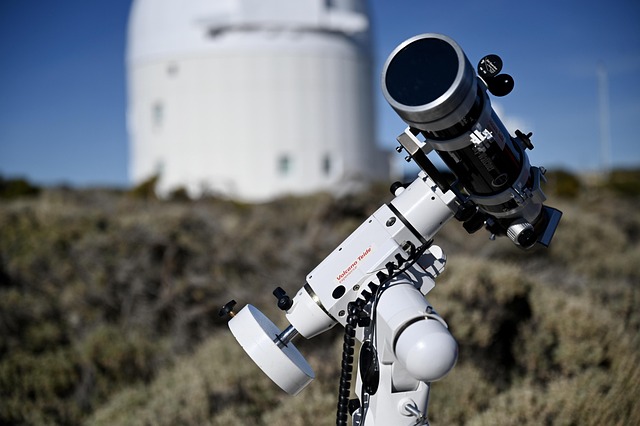
Telescopes for beginners should be easy to set up, move, and store. If a telescope is too heavy or complicated, it is less likely to be used regularly. Many beginners enjoy astronomy more when they can quickly take their telescope outside and start observing without lengthy preparation.
Portability is especially important for casual stargazers who observe from gardens, balconies, or darker locations away from city lights.
Accessories beginners actually need
Beginner telescopes often include basic accessories such as eyepieces and finders. While it is tempting to buy many extras immediately, most beginners benefit from learning with the included equipment first.
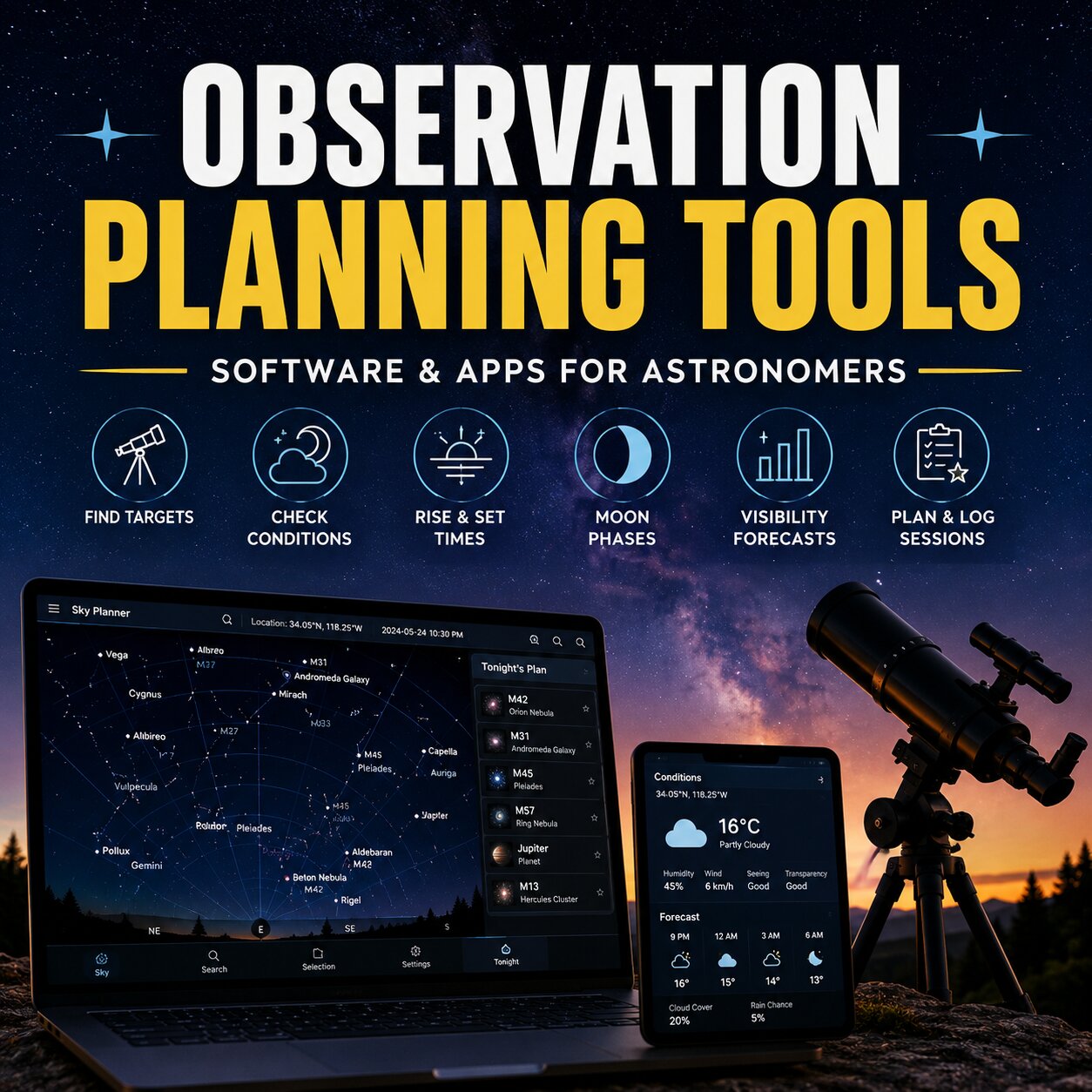
A simple star chart or astronomy app, a red torch to preserve night vision, and patience are often more valuable than additional accessories early on. As skills grow, beginners can gradually expand their setup based on experience.
Avoiding common beginner mistakes

When choosing telescopes for beginners, it helps to avoid a few common pitfalls. Buying the cheapest option available often leads to disappointment due to poor optics or unstable mounts. At the same time, jumping straight into advanced or expensive equipment can be unnecessary and overwhelming.
The best beginner telescopes are those that encourage learning, exploration, and enjoyment, rather than focusing on specifications alone.
Starting your astronomy journey with confidence
Telescopes for beginners are about opening the door to the night sky, not mastering everything at once. With a basic understanding of telescope types, aperture, and stability, new stargazers can make informed choices and enjoy meaningful observations from the very beginning.
Astronomy is a hobby built on curiosity and patience. The right beginner telescope supports that journey, helping observers build skills, confidence, and a lasting connection with the universe.