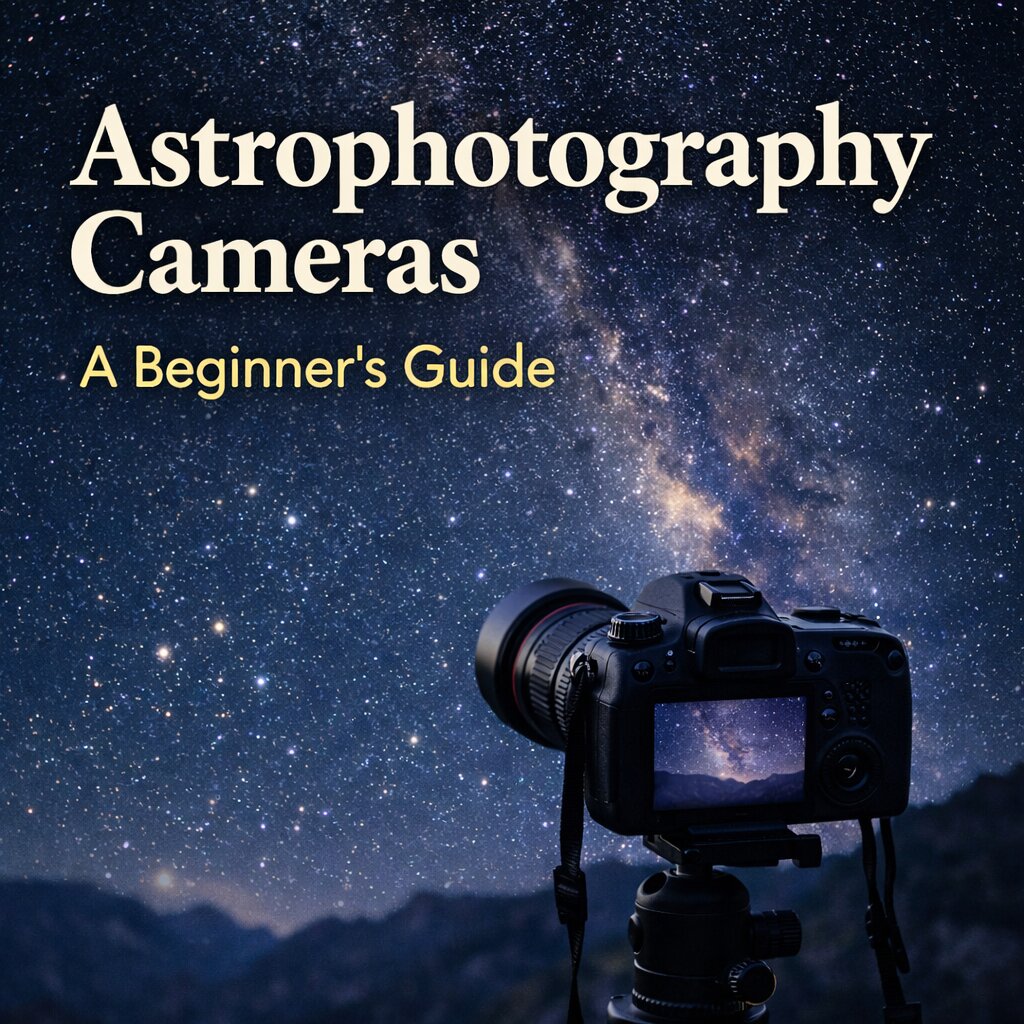

Astrophotography cameras are specialised tools designed to capture faint celestial objects such as stars, nebulae, planets, and galaxies. While modern smartphones can photograph the Moon or bright constellations, serious deep-sky imaging requires equipment that can handle long exposures, low light, and minimal noise.
For beginners, the world of astrophotography cameras can feel overwhelming. Terms like sensor size, cooling systems, ISO performance, and quantum efficiency are often thrown around without context. The good news is that you do not need the most expensive setup to begin capturing impressive night sky images.
Understanding the different types of astrophotography cameras and how they function is the first step toward choosing the right equipment for your goals.
What makes astrophotography cameras different?
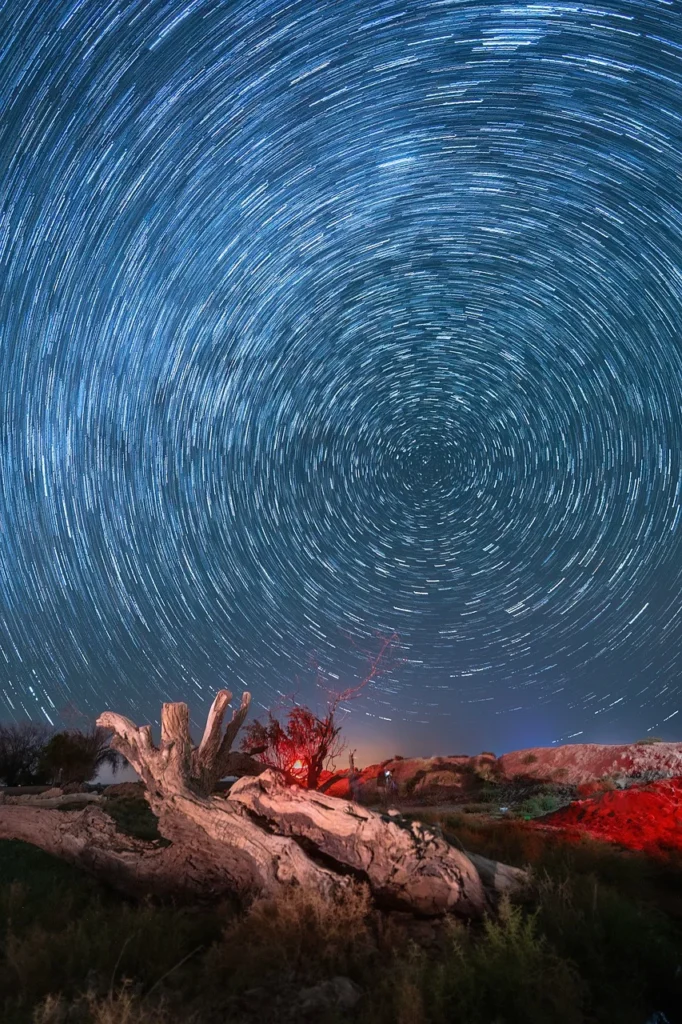
Astrophotography cameras are built to handle extremely low-light conditions. When imaging deep space objects, you are collecting photons that have travelled for thousands or even millions of years. The camera must be sensitive enough to detect them while minimising electronic noise.
One major difference between astrophotography cameras and standard daytime cameras is long-exposure capability. Night sky imaging often involves exposures lasting anywhere from 10 seconds to several minutes. During these exposures, the sensor must remain stable and generate minimal heat-related noise.
Another important factor is sensor performance. Cameras designed for astrophotography typically feature larger sensors, higher dynamic range, and better high-ISO performance. Some models even include active cooling systems to reduce thermal noise during extended sessions.
In short, astrophotography cameras prioritise light sensitivity and noise control over fast autofocus and burst shooting, which are more important for sports or wildlife photography.
Types of astrophotography cameras for beginners
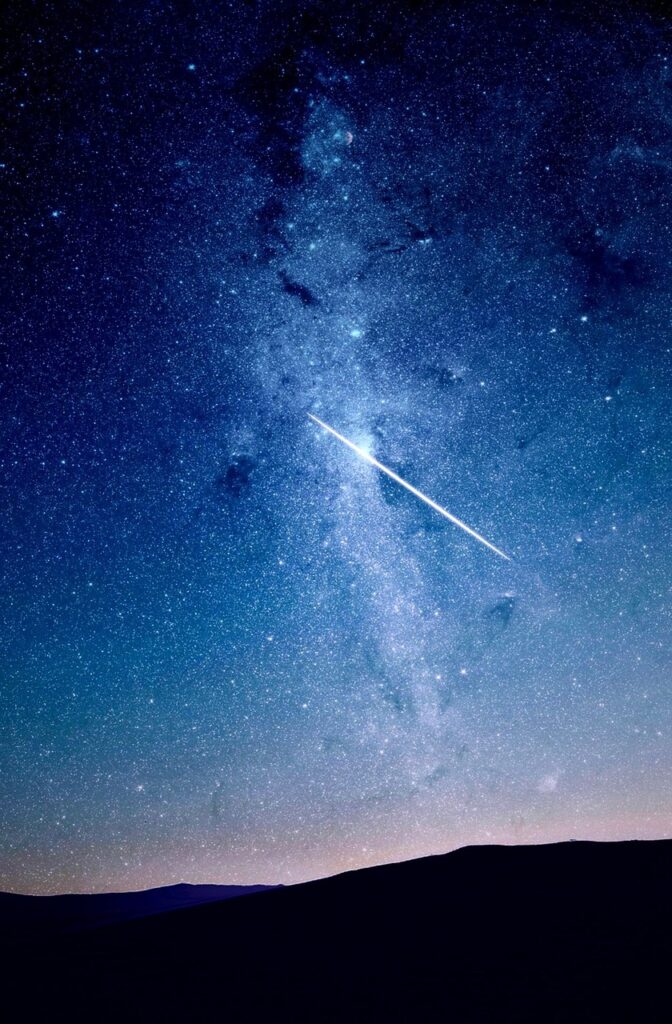
There are three main categories of astrophotography cameras that beginners typically consider:
- DSLR cameras
- Mirrorless cameras
- Dedicated astronomy cameras
DSLR cameras are popular entry points into astrophotography. They are versatile, relatively affordable, and can be used for both daytime and night photography. Many beginners already own one, making them a practical starting option.
Mirrorless cameras offer similar image quality to DSLRs but are often lighter and more compact. Their electronic viewfinders and improved sensor technology can make focusing on stars easier in low-light conditions.
Dedicated astronomy cameras are purpose-built astrophotography cameras designed exclusively for telescope use. These models often connect directly to a computer and may include cooling systems for deep-sky imaging. While more technical to operate, they offer superior performance for advanced imaging.
Choosing between these options depends on your budget, experience level, and whether you want a dual-purpose camera or a specialised system.
Key features to look for in astrophotography cameras
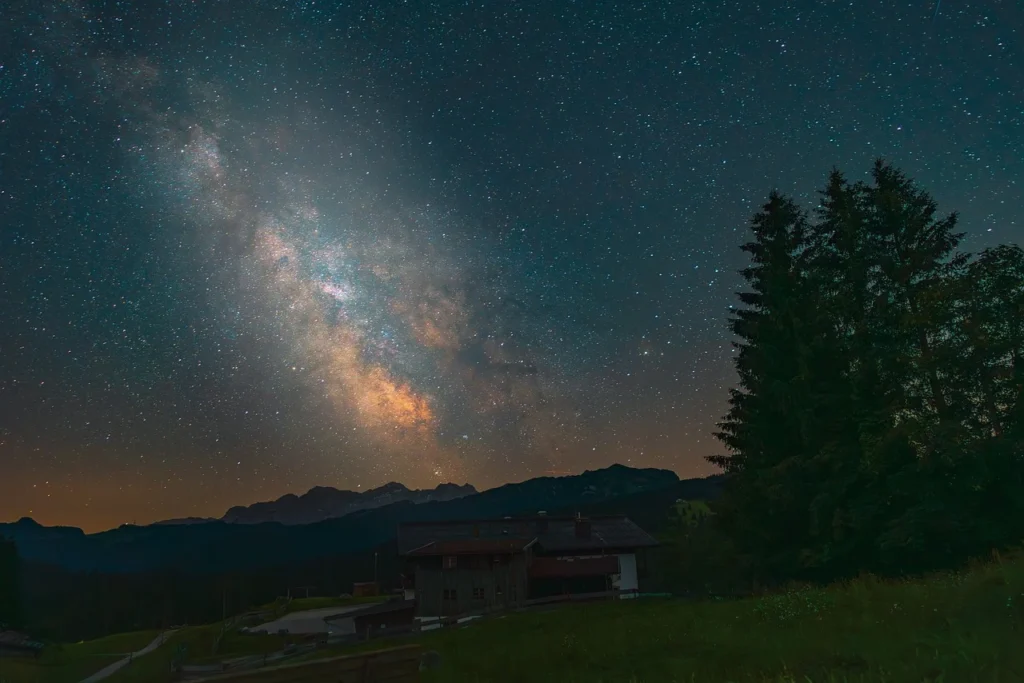
When evaluating astrophotography cameras, beginners should focus on a few essential features rather than marketing hype.
Sensor size plays a significant role. Larger sensors collect more light and provide wider fields of view. Full-frame sensors are ideal but can be expensive. APS-C sensors are a strong balance between performance and affordability.
Low noise performance is critical. Look for astrophotography cameras with strong high-ISO capabilities and good dynamic range. This allows you to capture faint details without excessive grain.
Manual control is also important. The ability to adjust ISO, shutter speed, aperture, and focus manually gives you full creative control. Many beginners underestimate the importance of manual focusing for achieving sharp star images.
Finally, compatibility matters. Ensure your chosen astrophotography camera works well with tripods, star trackers, or telescopes if you plan to expand your setup later.
Getting started without overspending
One of the biggest misconceptions about astrophotography cameras is that you must invest thousands to begin. In reality, many beginners start successfully with an entry-level DSLR or mirrorless camera paired with a sturdy tripod.
As your skills grow, you can gradually upgrade to tracking mounts or dedicated astronomy cameras. Learning exposure stacking, basic image processing, and night sky composition often makes a bigger difference than buying high-end equipment immediately.
Astrophotography cameras are tools, but technique and patience are equally important. Mastering focus, understanding light pollution, and planning around Moon phases will dramatically improve your results.
Capturing the night sky is one of the most rewarding experiences in astronomy. With the right astrophotography cameras and a clear understanding of your goals, you can begin exploring deep space from your own backyard.
When you are ready to move beyond visual observing and start preserving the universe in pixels, choosing the right astrophotography cameras becomes your first step into a much larger cosmic journey.