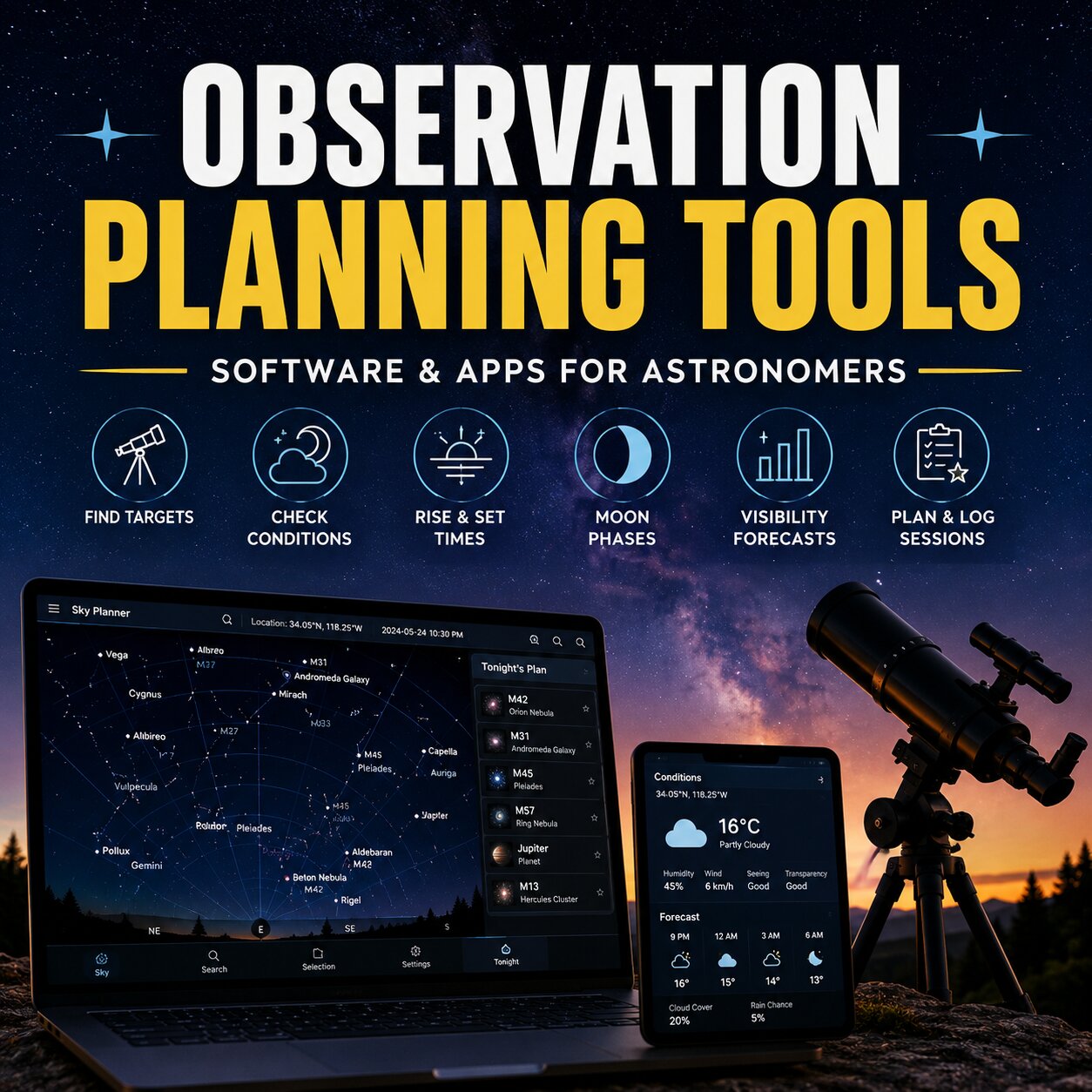
As the nights draw in and the star fields begin to dominate the sky, November 2025 offers an exciting lineup of celestial events for both casual sky-watchers and more serious observers. Whether you’re stepping outside for a quick glance or setting up your telescope in the backyard, here are the key moments to mark on your calendar.
1. The Supermoon (Beaver Moon): early November
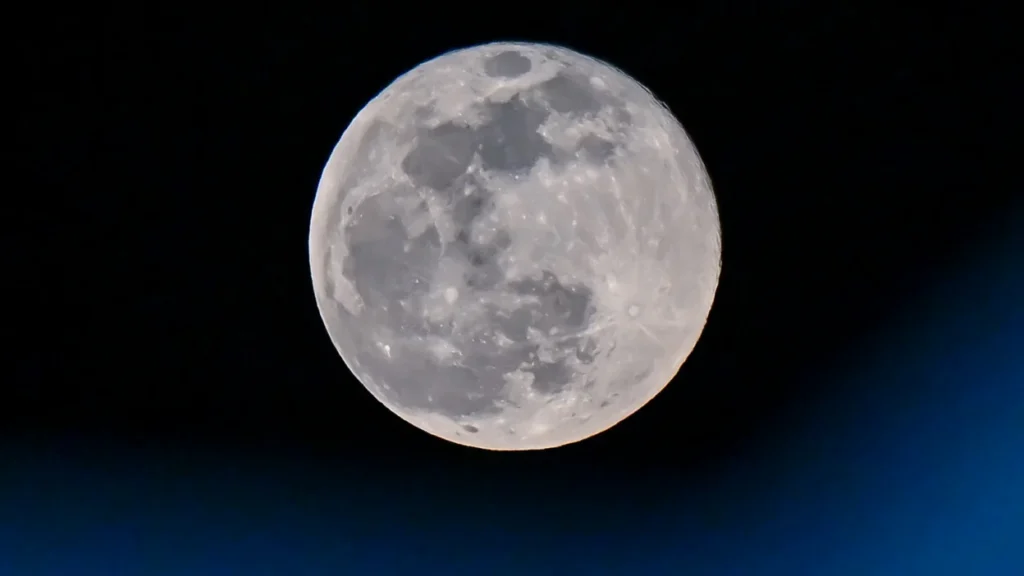
On or around 5 November, expect one of the year’s most dramatic full moons: the Beaver Moon (also known as the Frost Moon) will also be a prominent supermoon. According to recent reports, it will appear significantly larger and brighter than typical.
For observers in South Africa, this means that early evening (just after moonrise) will offer a stunning view, perfect for moonlit landscapes or a quiet night beneath lunar glow.
2. Meteor showers: Taurids & Leonids
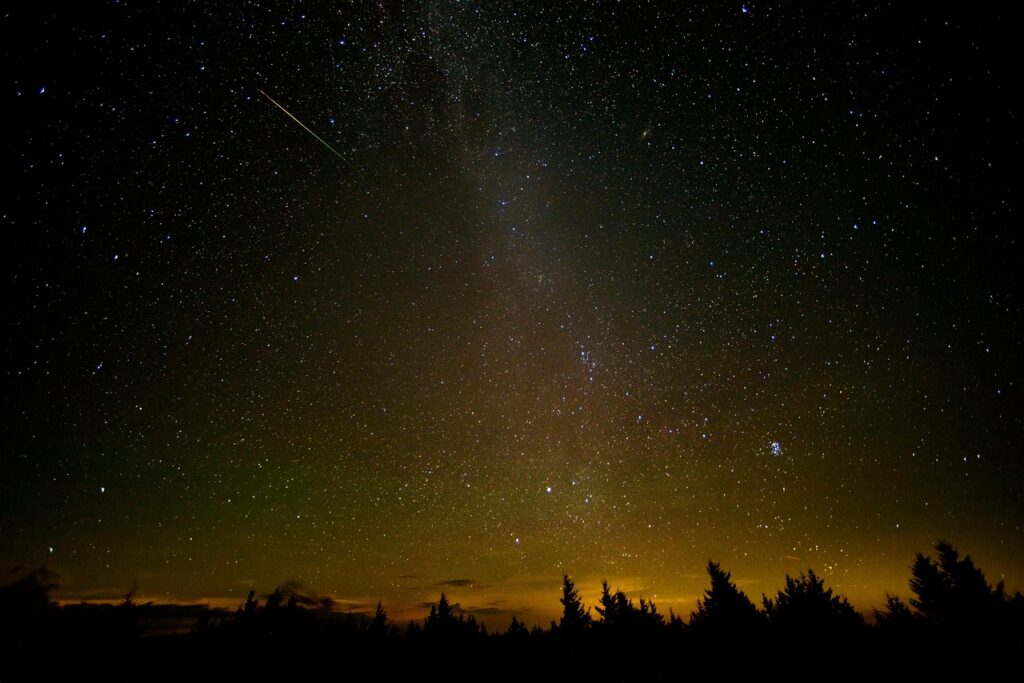
Taurids
The month begins with the Taurid meteor stream, known for its slow, bright fireballs rather than huge meteor counts. These are best seen after midnight from a dark-sky location.
Leonids
Mid-November (around 17-18 November) brings the famous Leonid meteor shower. Though this year’s peak may not deliver extraordinary numbers, sky-watchers can anticipate 10-15 meteors per hour under favourable conditions.
With the Moon near New at this time (see the next section), moonlight interference should be minimal, making it one of the better nights for stargazing this month.
3. New Moon & Dark-Sky Opportunity – circa 20 November
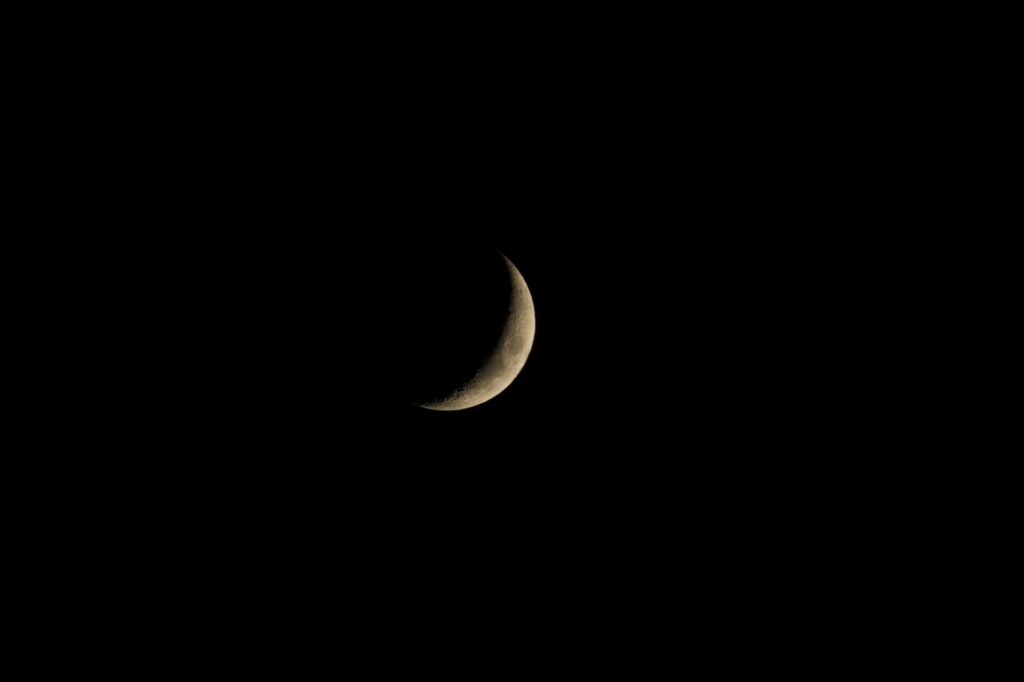
On 20 November, the Moon reaches its New phase, offering one of the darkest nights of the month. This is an excellent time for deep-sky observing: galaxies, faint nebulae and lesser-known star clusters will appear clearer without moonlight washing out the sky.
4. Planetary highlights: Uranus at opposition and other showings
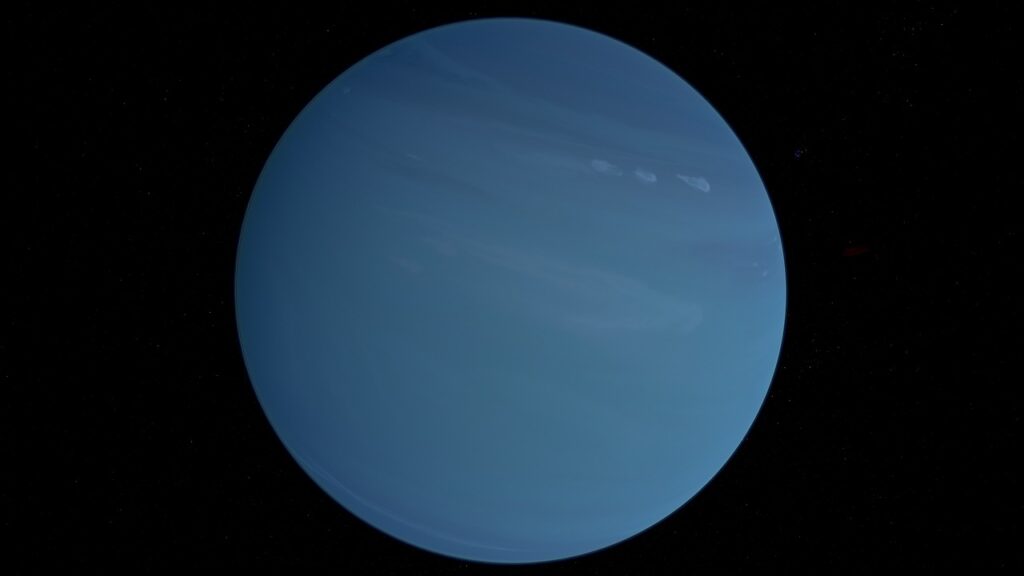
On 21 November, Uranus reaches opposition, meaning Earth is directly between the Sun and Uranus, and the planet is at its brightest and best placed for viewing in our solar system.
With binoculars or a small telescope, you’ll be able to locate Uranus in the constellation Aries, its pale-green disk visible under favourable skies.
In addition, throughout the month, the giant planets (Jupiter, Saturn) remain evening sky features, making for good opportunities to compare planet brightness and colour.
5. Comets or special visitors
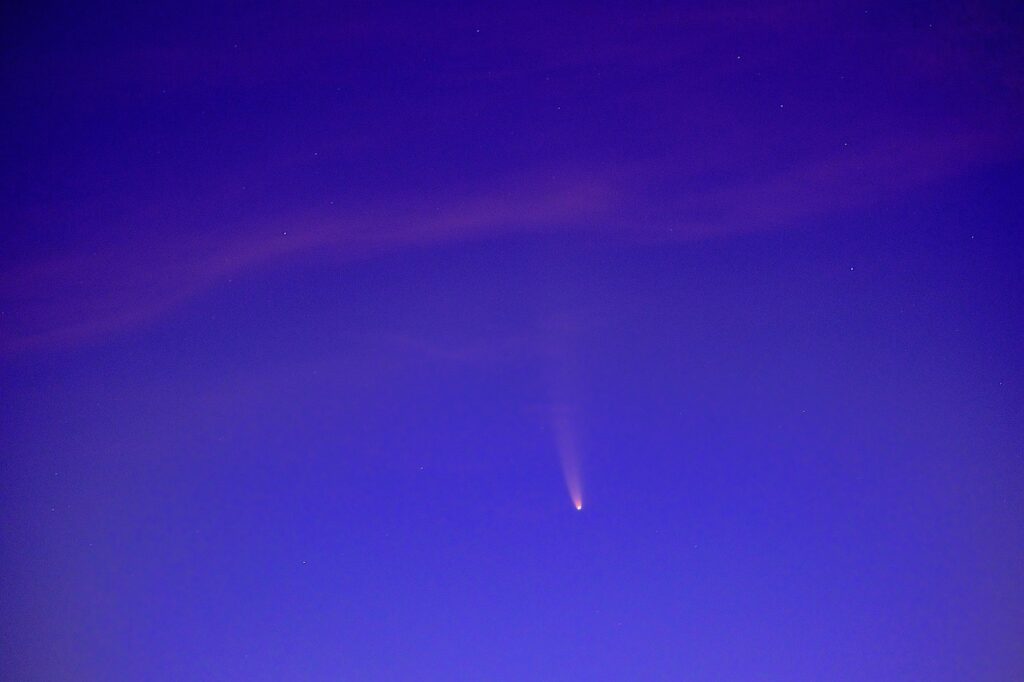
There’s also interest around comets such as C/2025 A6 (Lemmon), which made its perihelion in early November and may still be visible in dark skies.
Observers in the Southern Hemisphere should check star-charts and apps for the latest location details; binoculars may pick up these visitor objects and offer something really special this month.
6. Constellation and seasonal sky changes
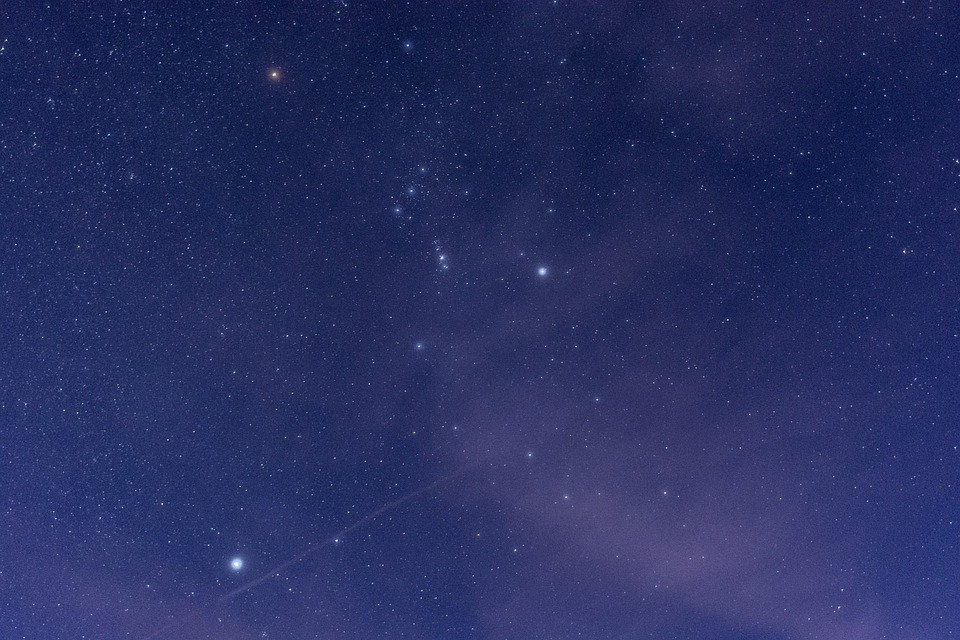
With the shift into Southern Hemisphere summer, look out for Orion climbing into view in late evenings, and the winter constellations gradually giving way to summer stars.
Also keep an eye on the Milky Way’s summer projection, meteor bursts in the dark zones of light pollution and the interplay of foreground landscapes with starry skies.
7. Viewing tips for South Africa
- Choose a dark-sky location away from city lights for best visibility.
- Check the Moon phase and avoid nights close to full moon (except if you’re observing the Moon itself).
- Use a star-map app to track the constellations and planets overhead.
- Allow your eyes 20 minutes to dark-adapt — avoid bright lights when you’re outside.
- Dress warmly for late-night sky-watching (yes, even in summer evenings!).
- Bring binoculars or a small telescope if you have one — you’ll get more detail and the faint objects become more vivid.
Look Up in November 2025
November 2025 is shaping up to be a superb month for sky-watching in South Africa. From the striking supermoon of early November to mid-month meteor showers and an opposition of Uranus, there’s something for everyone, whether you’re a casual stargazer or ready with your telescope. Plan ahead, pick your nights wisely, and step outside with anticipation. The night sky is putting on a show.