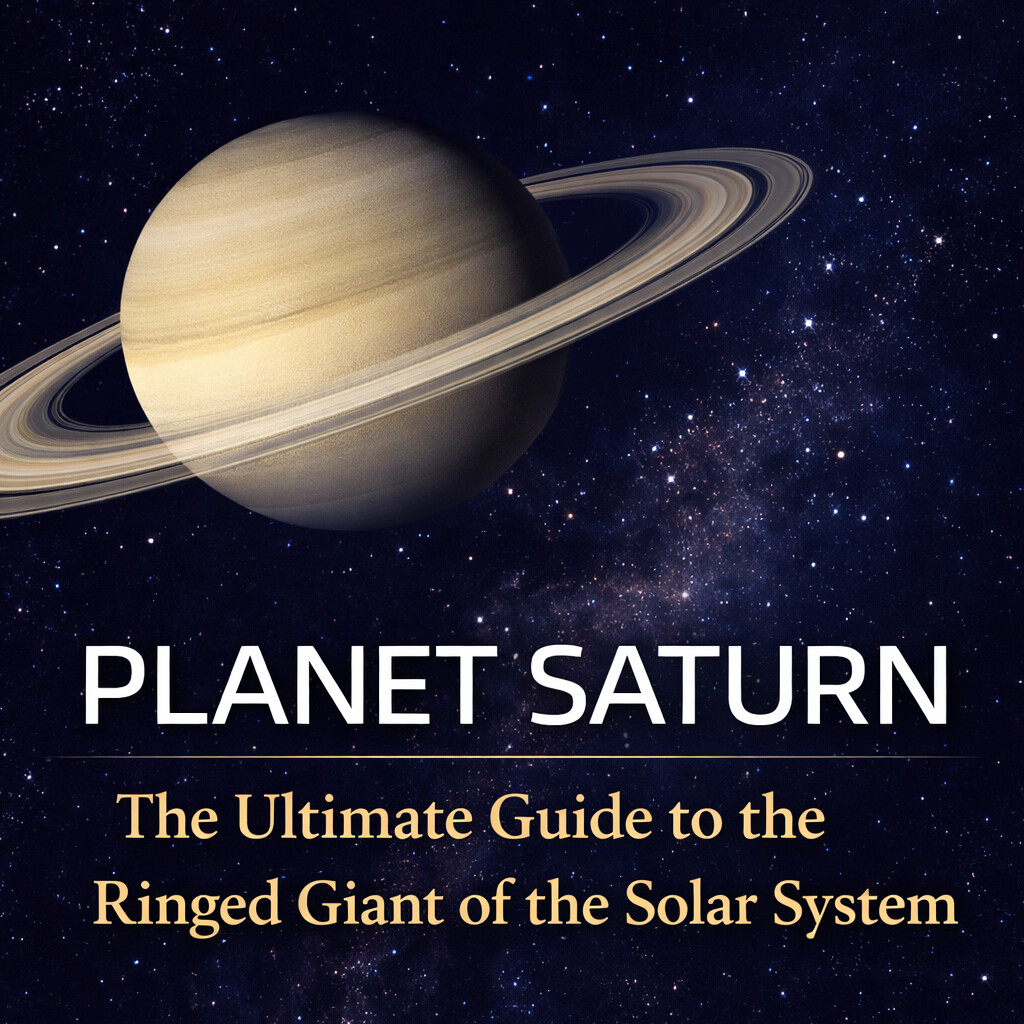

Planet Saturn is one of the most visually striking worlds in our Solar System. Famous for its vast and intricate ring system, Saturn is a gas giant that combines beauty with extreme physics. Beneath its serene appearance lies a world of intense winds, crushing pressure, and complex interactions between its atmosphere, rings, and moons.
As the second-largest planet orbiting the Sun, Planet Saturn plays a major role in shaping the outer Solar System. Studying Saturn helps astronomers understand how gas giants form, how planetary rings evolve, and how moons interact with their parent planets over billions of years.
Quick Stats: Planet Saturn
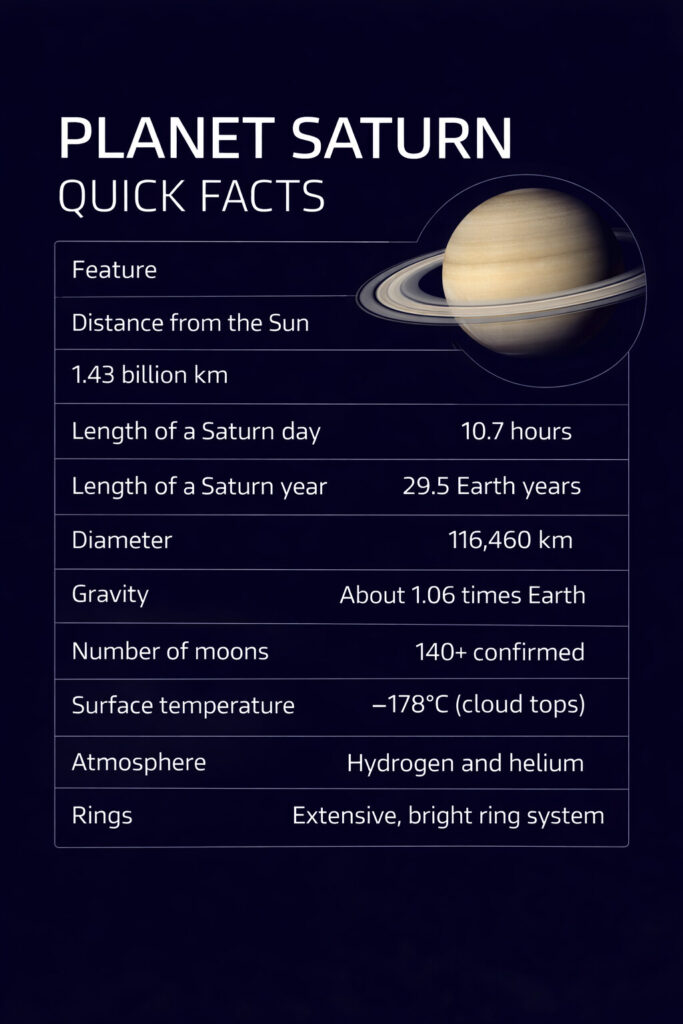
| Feature | Details |
|---|---|
| Distance from the Sun | 1.43 billion km |
| Length of a Saturn day | 10.7 hours |
| Length of a Saturn year | 29.5 Earth years |
| Diameter | 116,460 km |
| Gravity | About 1.06 times Earth |
| Number of moons | 140+ confirmed |
| Surface temperature | −178°C (cloud tops) |
| Atmosphere | Hydrogen and helium |
| Rings | Extensive, bright ring system |
Saturn’s Position in the Solar System
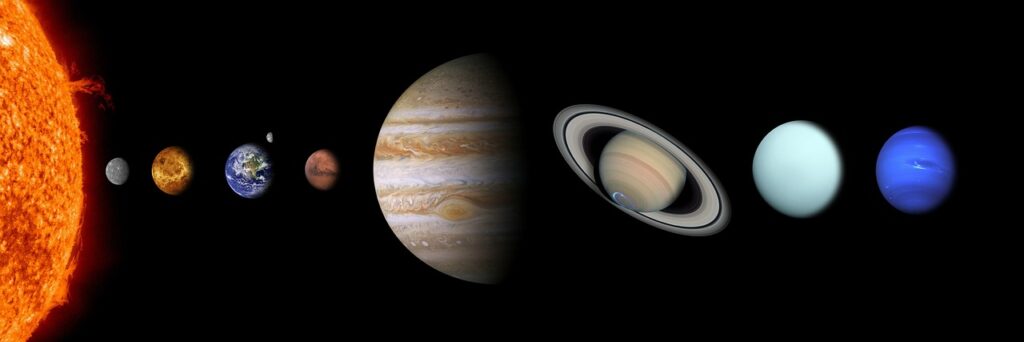
Planet Saturn is the sixth planet from the Sun, located beyond Jupiter and well outside the inner rocky planets. Its distance places it in the colder reaches of the Solar System, where volatile elements like hydrogen, helium, and ices dominate planetary formation.
Saturn’s gravity influences nearby moons, ring particles, and smaller bodies, helping maintain the structure of its ring system. While less massive than Jupiter, Planet Saturn still plays a stabilising role in the outer Solar System and offers a contrasting example of gas giant evolution.
The Iconic Rings of Planet Saturn
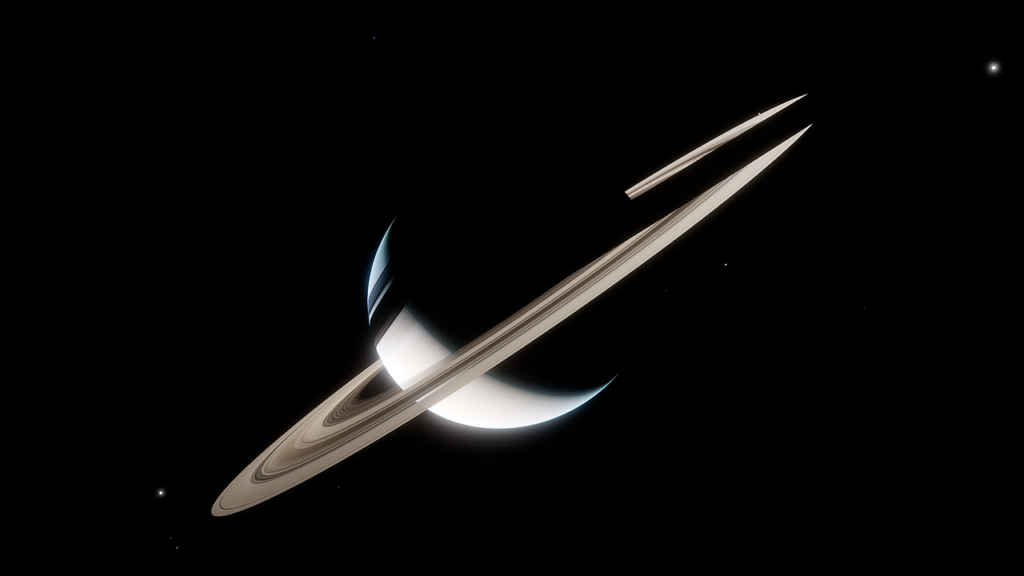
The rings of Planet Saturn are the most extensive and complex planetary ring system known. Composed primarily of ice particles mixed with rock and dust, the rings stretch hundreds of thousands of kilometres outward while remaining remarkably thin.
These rings are divided into distinct sections, including the A, B, and C rings, separated by gaps such as the Cassini Division. Scientists believe the rings may be relatively young on cosmic timescales, possibly formed from the remnants of a shattered moon or captured material.
Saturn’s Atmosphere: Winds and Weather
The atmosphere of Planet Saturn is dominated by hydrogen and helium, similar to Jupiter but with its own unique dynamics. Powerful jet streams circle the planet, producing alternating bands of colour that are subtler than Jupiter’s but still dramatic.
One of Saturn’s most intriguing atmospheric features is the hexagonal storm at its north pole. This six-sided jet stream has persisted for decades and remains one of the most unusual weather patterns observed on any planet. Massive storms periodically erupt, wrapping around the planet and altering its cloud layers for years.
Inside Planet Saturn: Core and Internal Structure
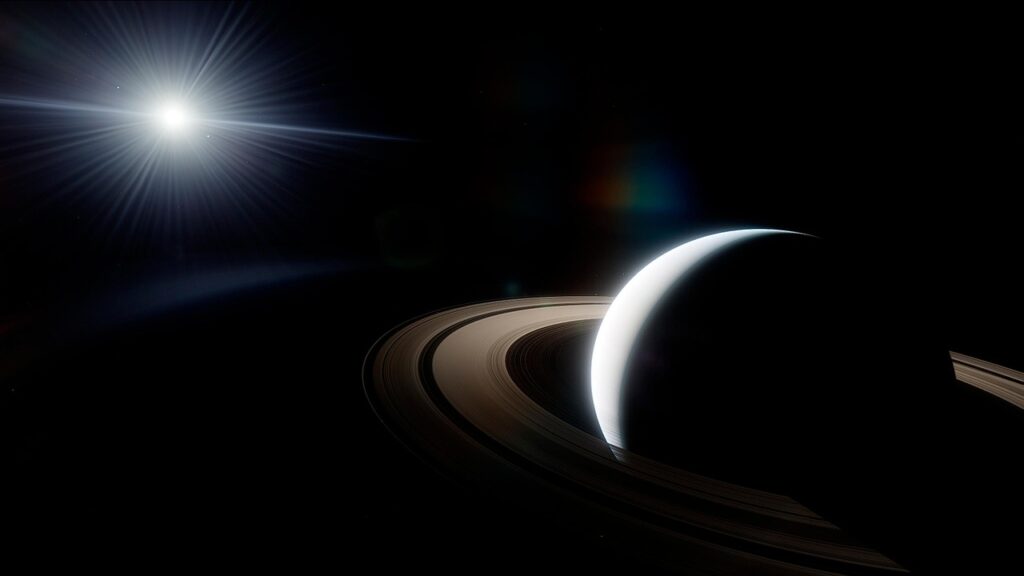
Beneath Saturn’s clouds, pressure increases rapidly, compressing hydrogen into liquid and eventually metallic states. Like Jupiter, Planet Saturn is believed to contain a dense core made of heavier elements, surrounded by layers of liquid metallic hydrogen and molecular hydrogen.
Saturn’s interior generates heat that exceeds the energy it receives from the Sun. This excess heat drives atmospheric motion and contributes to long-term planetary evolution, offering clues about how gas giants cool and change over time.
Saturn’s Magnetic Field and Auroras
Although weaker than Jupiter’s, the magnetic field of Planet Saturn is still powerful and extensive. It interacts strongly with the planet’s moons and ring particles, shaping the surrounding space environment.
Saturn’s magnetic field produces stunning auroras near its poles, visible in ultraviolet and infrared wavelengths. These auroras are influenced not only by solar wind, but also by material flowing from moons like Enceladus into Saturn’s magnetosphere.
Saturn’s Moons: Worlds of Ice and Mystery
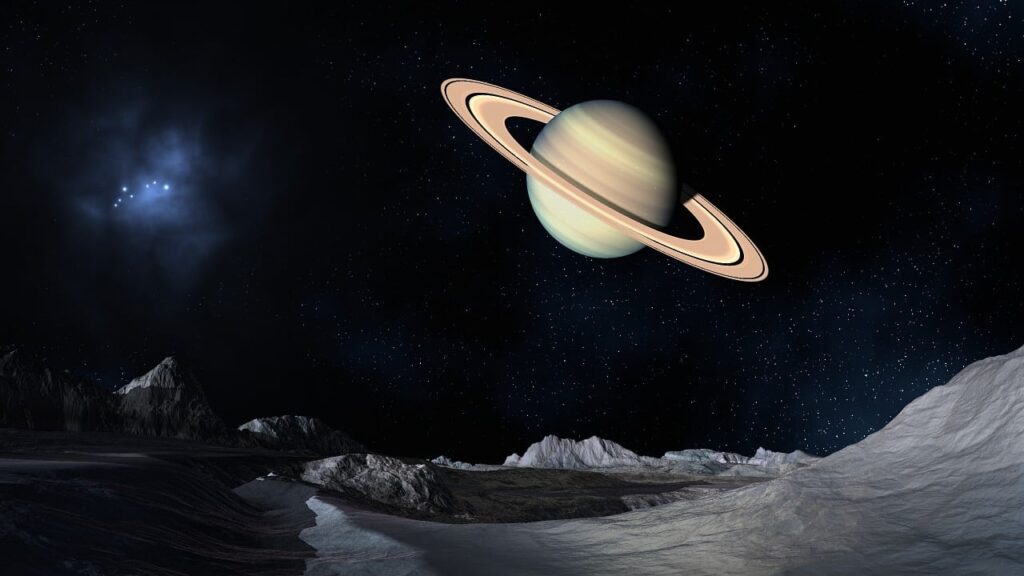
Planet Saturn hosts one of the richest moon systems in the Solar System. Its moons range from tiny ring shepherds to large, complex worlds with their own atmospheres and geological activity.
Titan, Saturn’s largest moon, is larger than the planet Mercury and possesses a thick atmosphere rich in organic compounds. It features lakes and rivers of liquid methane and ethane, making it one of the most Earth-like worlds in structure, if not temperature. Enceladus, another major moon, ejects plumes of water vapour from a subsurface ocean, placing it among the top candidates in the search for extraterrestrial life.
Exploring Planet Saturn: Missions and Discoveries
Exploration of Planet Saturn reached its peak with the Cassini–Huygens mission, which orbited Saturn for over 13 years. Cassini transformed our understanding of Saturn’s rings, atmosphere, and moons, while the Huygens probe successfully landed on Titan’s surface.
Cassini revealed the dynamic nature of Saturn’s rings and confirmed the presence of subsurface oceans on moons like Enceladus. The mission ended with a controlled plunge into Saturn’s atmosphere, ensuring no contamination of potentially habitable moons.
Why Planet Saturn Matters to Astronomy
Planet Saturn serves as a critical comparison point for studying gas giants both in our Solar System and beyond. Many exoplanets resemble Saturn in mass and composition, making it a key reference for interpreting distant planetary systems.
Saturn also demonstrates how rings, moons, and magnetospheres interact over long timescales. These interactions shape planetary environments and influence habitability potential elsewhere in the universe.
Saturn, Rings, and Cosmic Elegance
Planet Saturn stands as one of the most elegant and scientifically valuable worlds orbiting our Sun. Its rings, storms, moons, and internal dynamics offer insights into planetary formation, evolution, and the delicate balance of cosmic forces.
As astronomy advances and future missions are planned, Planet Saturn will remain a symbol of both beauty and complexity, reminding us that even familiar planets still hold many secrets waiting to be uncovered.