You don’t need a telescope to enjoy the night sky. From small towns to the open Karoo, South Africa offers some of the clearest, darkest skies in the world. Anyone can step outside on a cloudless night and see bright stars, constellations, planets, and even deep-sky objects with nothing more than their eyes.
This guide highlights the easiest and most rewarding night-sky sights that South Africans can spot without any equipment, perfect for beginners, families, and anyone who simply loves looking up.
Table of Contents
1. Bright Stars You Can Easily See

South Africa sits in a wonderful position on Earth: we can see stars from both the Northern and Southern sky, giving us one of the richest night-sky views anywhere on the planet.
The Southern Hemisphere icons
Canopus – The second-brightest star in the night sky. It shines brilliantly in the southern sky from summer through early winter.
Alpha Centauri – Part of the famous Centaurus constellation; actually a triple-star system and our closest stellar neighbour.
Achernar – A dazzling blue star marking the end of the long constellation Eridanus.
Fomalhaut – A bright white star often visible low in the south during spring and early summer.
Famous Northern visitors that South Africans can still see
Sirius – The brightest star in the night sky, visible every summer evening.
Betelgeuse – The red supergiant in Orion’s shoulder; easily spotted by its warm orange glow.
Rigel – A bright blue supergiant marking Orion’s foot, contrasting beautifully with Betelgeuse.
Even from suburban areas, these stars are almost always visible.
2. Constellations South Africans Can Spot Easily

Some constellations are simple patterns that beginners can identify right away. Here are the most iconic ones visible from SA throughout the year.
Orion (The Hunter)
Visible every summer, Orion is one of the easiest constellations to recognise thanks to his famous “belt” of three bright stars. It’s an excellent starting point for beginners: once you find Orion, it’s easier to locate other nearby constellations.
The Southern Cross (Crux)
South Africa’s most famous constellation. The Southern Cross points almost exactly toward the south celestial pole, making it a natural compass for nighttime navigation. Even in cities, Crux is usually bright enough to see.
Centaurus
Surrounding the Southern Cross, Centaurus is home to Alpha and Beta Centauri. It’s large, beautiful, and easily visible on clear nights.
Scorpius (The Scorpion)
A dramatic constellation best seen in winter. Its bright red heart, Antares, immediately stands out. Scorpius stretches wide across the sky and is one of the most detailed constellations visible without equipment.
Carina
Home to brilliant Canopus, Carina forms part of the old massive constellation Argo Navis. Its dense star fields make it perfect for naked-eye stargazing in darker areas.
3. Planets Visible Without a Telescope

Planets don’t twinkle like stars; they shine steadily, making them easier to identify.
Depending on the month, South Africans can view:
- Venus – Often the brightest object after the Moon; seen just after sunset or before sunrise.
- Jupiter – Bright, steady white light; visible for much of the year.
- Mars – Recognisable by its rusty orange glow.
- Saturn – Appears as a gentle golden “star,” usually not far from Jupiter’s path.
Mercury is visible too, but only briefly close to the horizon.
4. Deep-Sky Objects Visible with the Naked Eye

Even without a telescope, the southern skies offer some spectacular deep-sky treasures.
The Milky Way
The sweeping band of our galaxy is breathtaking in rural and coastal areas. Winter is the best time to view the Milky Way’s brightest central bulge.
The Magellanic Clouds
South Africa has access to both the Large and Small Magellanic Clouds, two dwarf galaxies orbiting our own. On dark nights, they appear as soft, glowing patches in the southern sky.
The Coalsack Nebula
A dark “cloud” beside the Southern Cross, actually a large dust cloud blocking starlight. It contrasts beautifully with the surrounding bright stars.
5. Tips for Getting the Best Naked-Eye Views

- Choose a night with no moon for the best star visibility.
- Move away from bright streetlights and buildings.
- Let your eyes adjust to the darkness for at least 15 minutes.
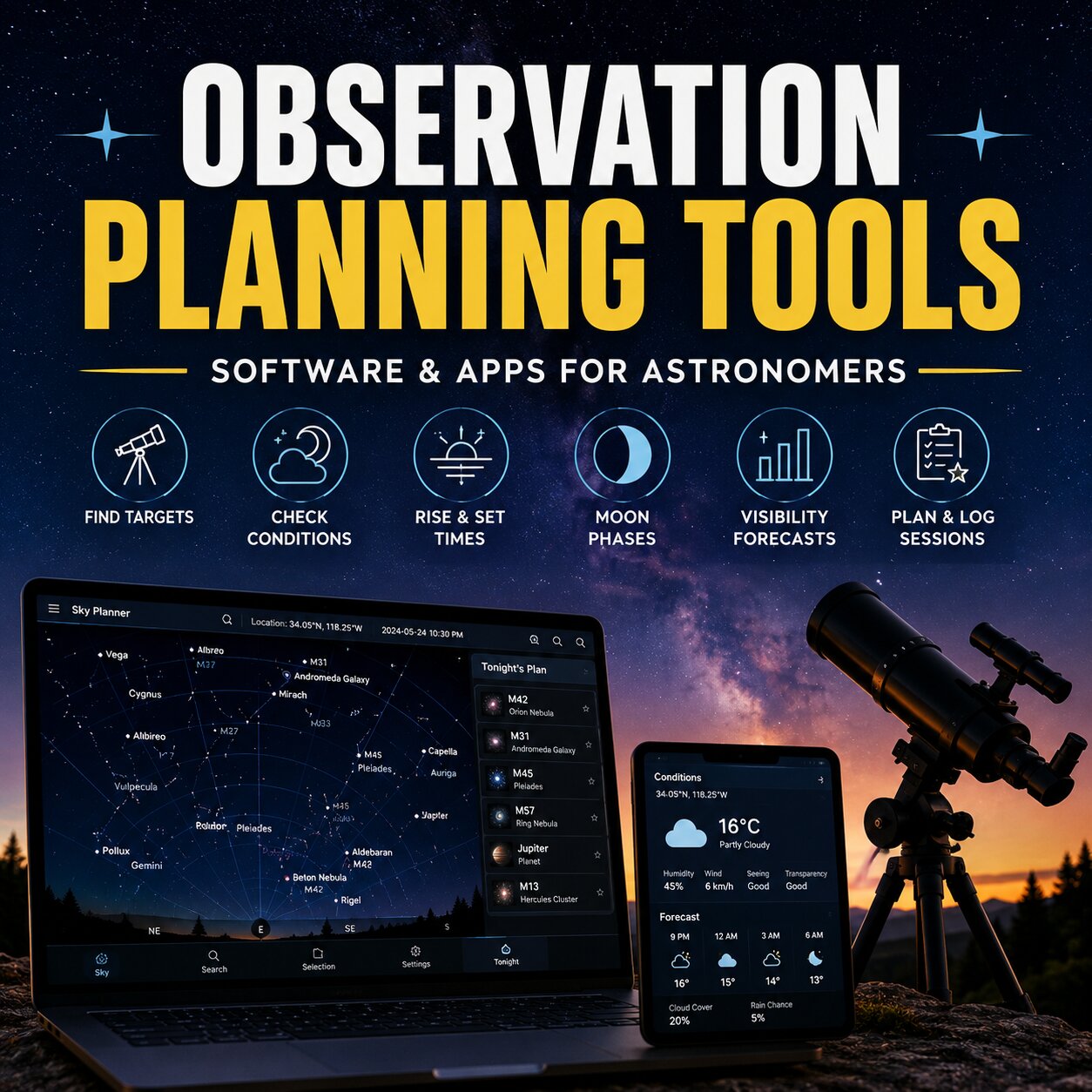
- Apps like Sky Guide Africa or Stellarium can help you find each object.
- Winter offers the clearest skies; summer has the brightest constellations.
South Africa’s skies are among the best in the world — you only need a few minutes outside to appreciate their beauty.
The Sky Is Always Open to Everyone
You don’t need expensive gear to enjoy astronomy. Whether you live in a city or under the open Karoo sky, South Africa gives you access to brilliant stars, distinctive constellations, bright planets and even nearby galaxies. As long as you know where to look, the night sky becomes a familiar place filled with patterns, colours and stories.
In upcoming Casual Astronomer guides, we’ll go deeper into how to find each constellation, how to identify planets at a glance, and how to navigate the sky from your backyard.