NASA’s Artemis 2 mission has reached another major milestone as the Space Launch System (SLS) rocket prepares to roll back to Launch Complex-39B on March 19, 2026. After spending weeks inside the Vehicle Assembly Building (VAB) for maintenance and inspections, the massive rocket is once again ready to make its journey to the launch pad.
This rollout marks a critical step toward the highly anticipated crewed mission around the Moon. With a planned launch currently targeting early April, all eyes are on NASA as engineers and teams complete final preparations for humanity’s return to deep space exploration.
SLS rollout begins after maintenance and repairs
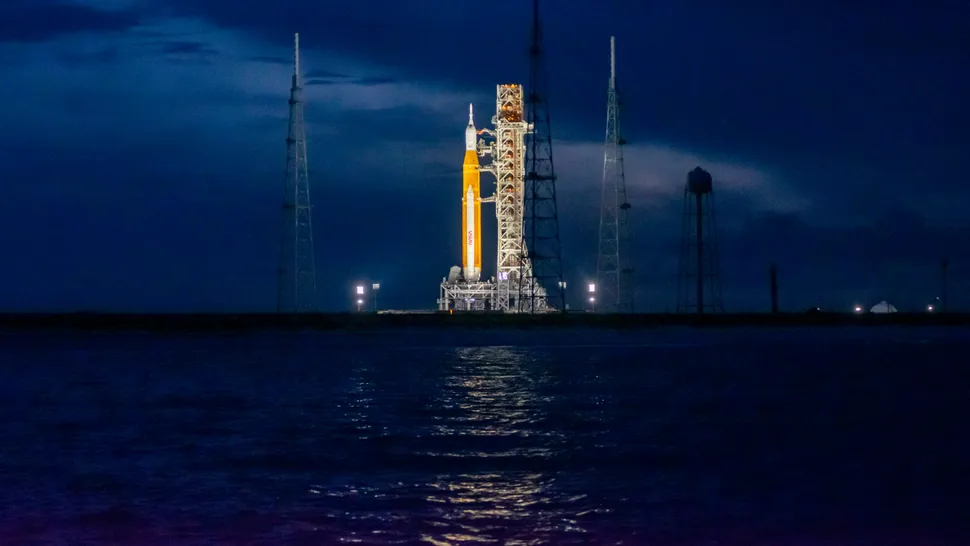
NASA confirmed that the Artemis 2 SLS rocket is scheduled to begin rollout at approximately 8 p.m. ET on March 19 (2 a.m. SAST on March 20). The journey from the Vehicle Assembly Building to Launch Complex-39B is expected to take around 12 hours.
This move follows a period of maintenance after the rocket was previously rolled back to the VAB in February. Engineers needed access to the upper stage to address a helium issue discovered during earlier testing. With those repairs now completed ahead of schedule, NASA has moved forward with the rollout.
The crawler-transporter 2 vehicle will carry the rocket across the 4-mile (6.5 km) path to the launch pad. This slow and steady journey is a familiar but crucial part of preparing large launch systems like SLS for flight.
Artemis 2 crew enters quarantine ahead of launch
While the rocket prepares for its return to the pad, the Artemis 2 astronauts have already entered a key phase of their mission preparation. The four crew members began their quarantine on March 18 at NASA’s Johnson Space Center in Houston.
This quarantine period is designed to protect the astronauts from illness before launch. Over the coming days, they will limit contact with others before travelling to Kennedy Space Center to continue quarantine closer to launch.
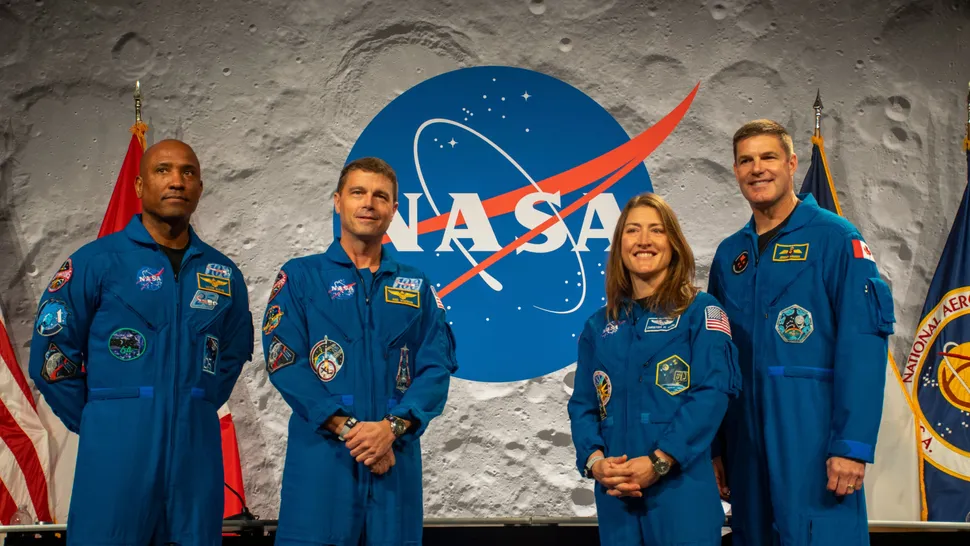
The crew includes NASA astronauts Victor Glover, Reid Wiseman, and Christina Koch, along with Canadian Space Agency astronaut Jeremy Hansen. Together, they will embark on a 10-day mission around the Moon once Artemis 2 launches.
A crucial step toward an April Moon mission
The rollout to Launch Complex-39B is one of the final major steps before launch. Once the rocket is back on the pad, teams will conduct final checks, fueling tests, and system verifications to ensure everything is ready.
Originally, NASA had targeted an earlier launch window in March. However, the helium issue identified during testing required additional work, pushing the timeline to April. Despite this delay, the mission remains on track for its primary objective.
Artemis 2 will be the first crewed mission of NASA’s Artemis program, building on the success of Artemis 1. It represents a significant leap forward in returning astronauts to the Moon and preparing for future missions to Mars.
What this means for the future of space exploration
The Artemis 2 rollout is more than just a technical milestone. It represents the continued progress of NASA’s long-term vision for human space exploration beyond Earth orbit.
This mission will test critical systems needed for deep space travel, including life support, navigation, and crew operations around the Moon. The data gathered will be essential for future lunar landings and sustained missions.
As the SLS rocket makes its way back to the launch pad, it symbolises a new era of exploration. With each step forward, NASA moves closer to establishing a lasting human presence beyond Earth.
The coming weeks will be pivotal, with the rollout setting the stage for one of the most important space missions of the decade.