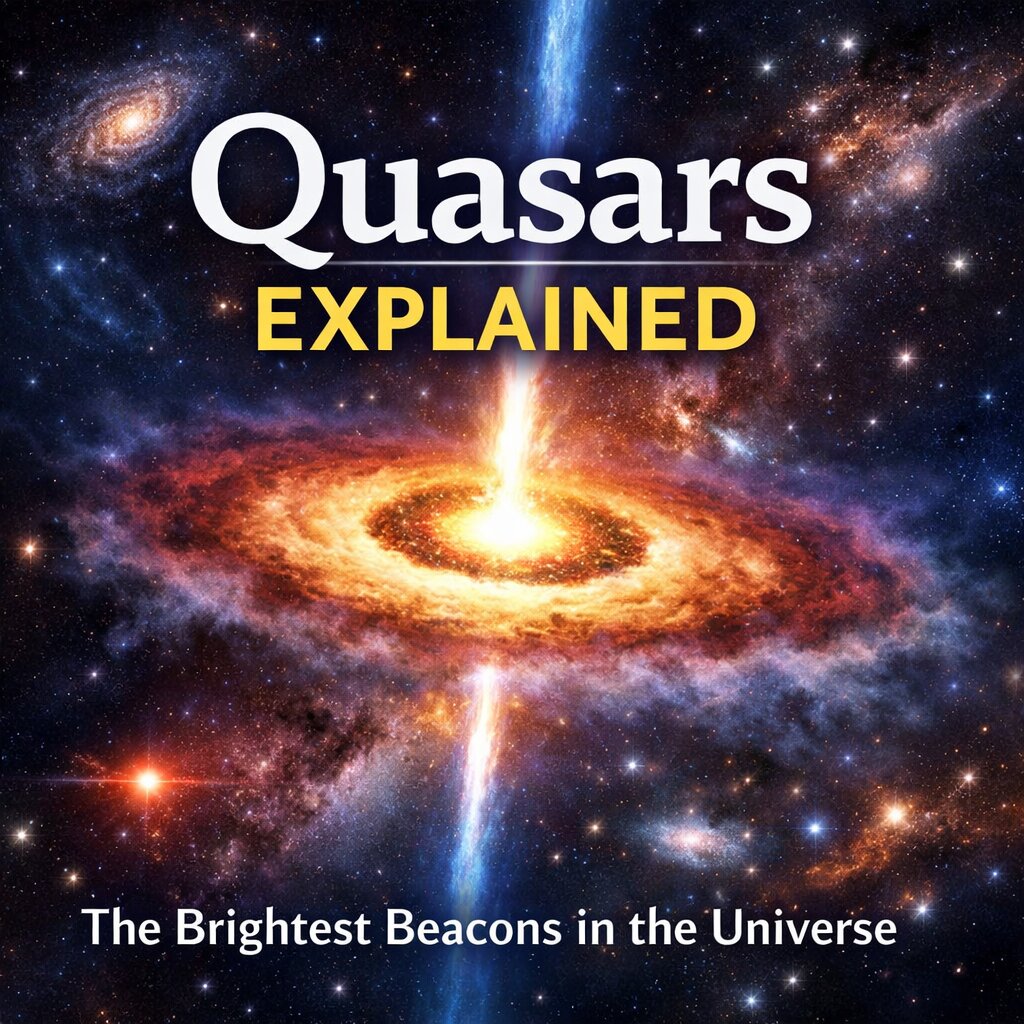

Quasars are among the most powerful and mysterious objects in the universe. These distant cosmic engines shine brighter than entire galaxies, yet they originate from regions smaller than our solar system. For astronomers, they act as time capsules, revealing what the universe looked like billions of years ago.
In this guide, we explore what quasars are, how they form, why they shine so intensely and what they tell us about the early universe.
What are quasars, and why are they so bright
Quasars, short for “quasi-stellar objects”, were first discovered as star-like points of light that emitted enormous amounts of energy. Unlike normal stars, however, quasars are not individual objects but the extremely luminous centres of distant galaxies.
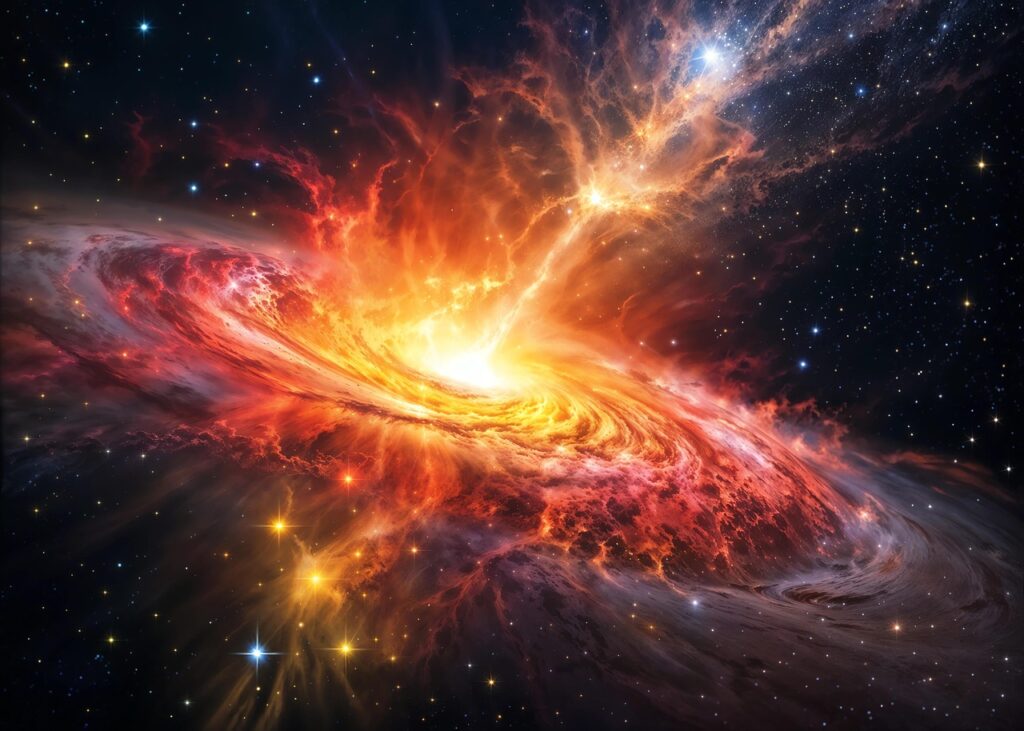
At the heart of every quasar lies a supermassive black hole. As gas, dust and matter spiral into this black hole, they form an accretion disk that heats up to extreme temperatures. This process releases vast amounts of radiation across the electromagnetic spectrum.
Because of this intense activity, quasars can outshine their entire host galaxy. Some are thousands of times brighter than the Milky Way, making them visible across billions of light-years.
How quasars form in active galactic nuclei
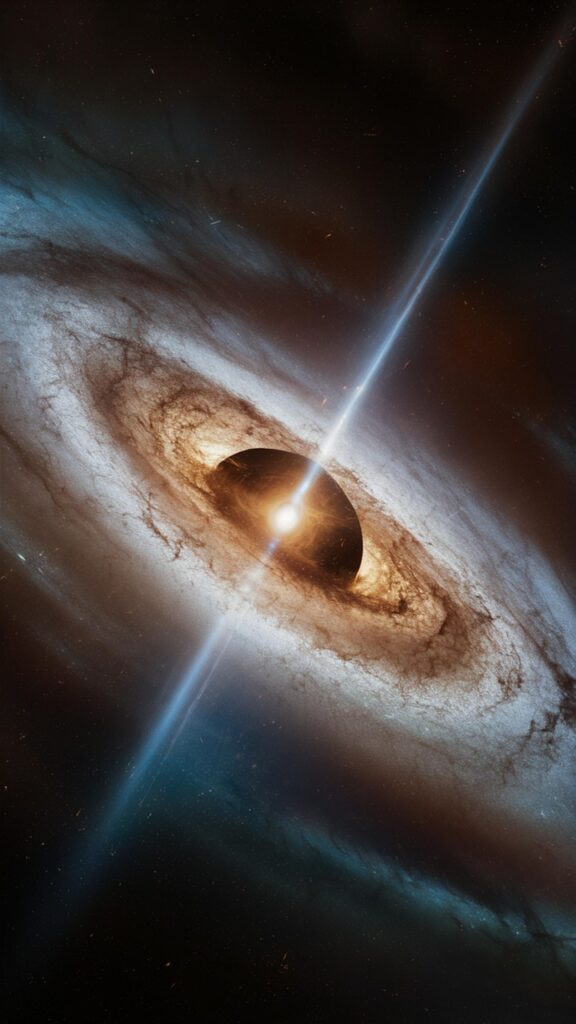
Quasars are a type of active galactic nucleus (AGN), a region at the centre of a galaxy where the black hole is actively feeding on surrounding material.
When large amounts of matter fall toward the black hole, friction and gravitational forces heat the material, causing it to glow intensely. In some cases, powerful jets of particles are launched at near-light speed from the poles of the black hole.
Not all galaxies host quasars. They tend to appear in galaxies where there is plenty of available material for the black hole to consume. This often happens during galaxy collisions or periods of rapid growth.
As the fuel supply decreases, the quasar eventually fades, leaving behind a quieter galactic core.
Why quasars help us study the early universe
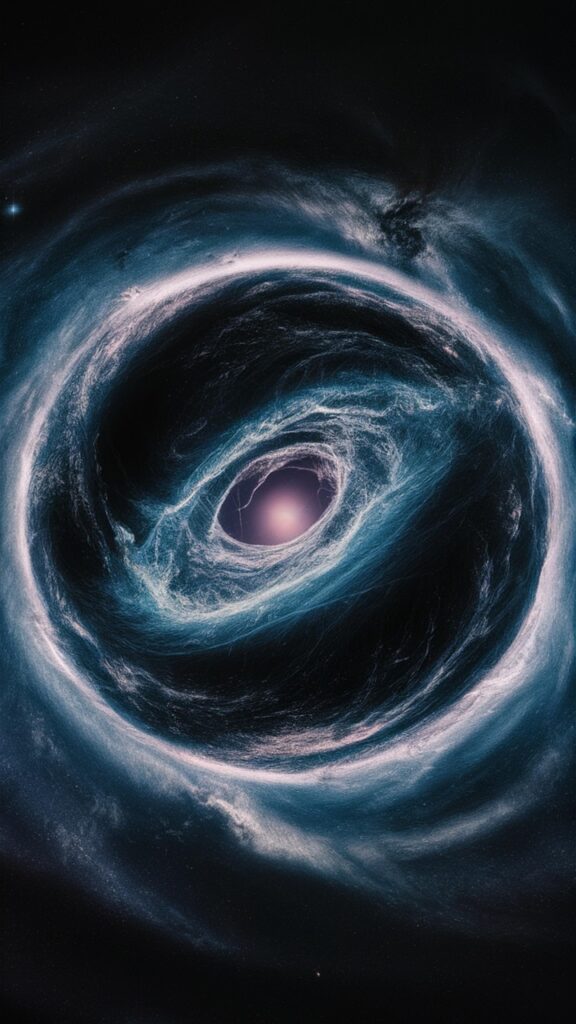
One of the most important reasons scientists study quasars is their incredible distance from Earth. Because light takes time to travel, observing distant quasars allows astronomers to look back billions of years into the past.
Many quasars formed when the universe was still young, just a few hundred million years after the Big Bang. By analysing their light, researchers can learn about the conditions that existed during this early period.
Quasars also help measure the expansion of the universe through redshift. As their light stretches over vast distances, it provides clues about how space itself is evolving.
In this way, quasars act as cosmic markers that map both time and distance.
Key characteristics of quasars
Quasars share several defining features that make them unique:
- Extremely high luminosity, often exceeding entire galaxies
- Powered by supermassive black holes
- Strong emissions across radio, visible, ultraviolet and X-ray wavelengths
- Rapid variability in brightness over short timescales
- Often associated with powerful jets and energetic outflows
These characteristics help astronomers distinguish quasars from other cosmic phenomena and better understand their behaviour.
Are quasars dangerous to Earth
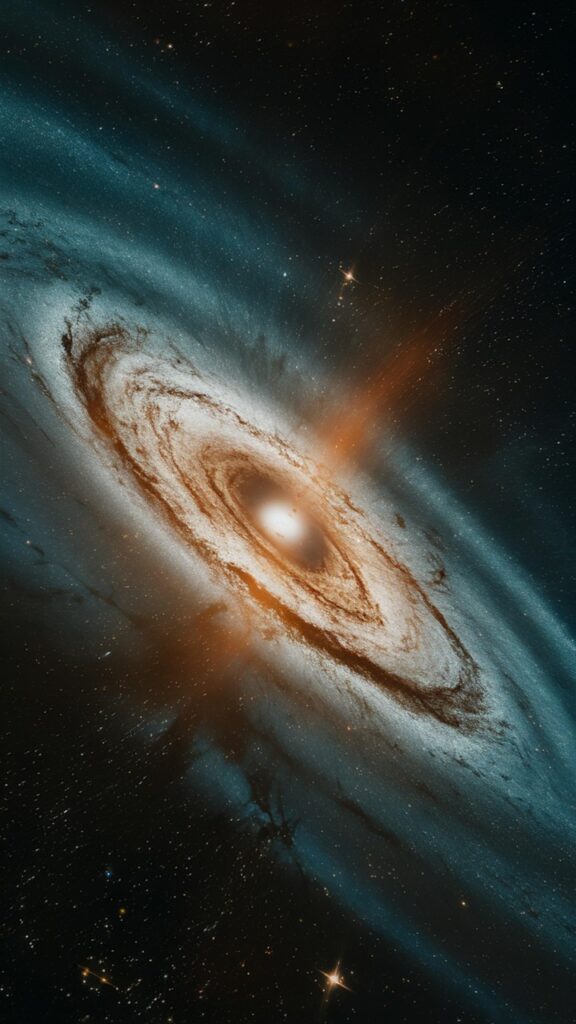
Despite their immense power, quasars pose no threat to Earth. The nearest known quasars are located billions of light-years away, far beyond our galaxy.
However, if a quasar were to form much closer, its radiation could potentially impact the surrounding regions of space. Fortunately, the Milky Way’s central black hole is currently inactive and does not produce quasar-level emissions.
For now, quasars remain distant and fascinating objects, studied safely from afar.
A window into cosmic extremes
Quasars represent one of the most extreme environments in the universe. They combine gravity, energy and motion on a scale that challenges our understanding of physics.
By studying quasars, scientists gain insight into black holes, galaxy formation and the evolution of the cosmos itself. These brilliant beacons continue to illuminate not just distant space, but the history of the universe.