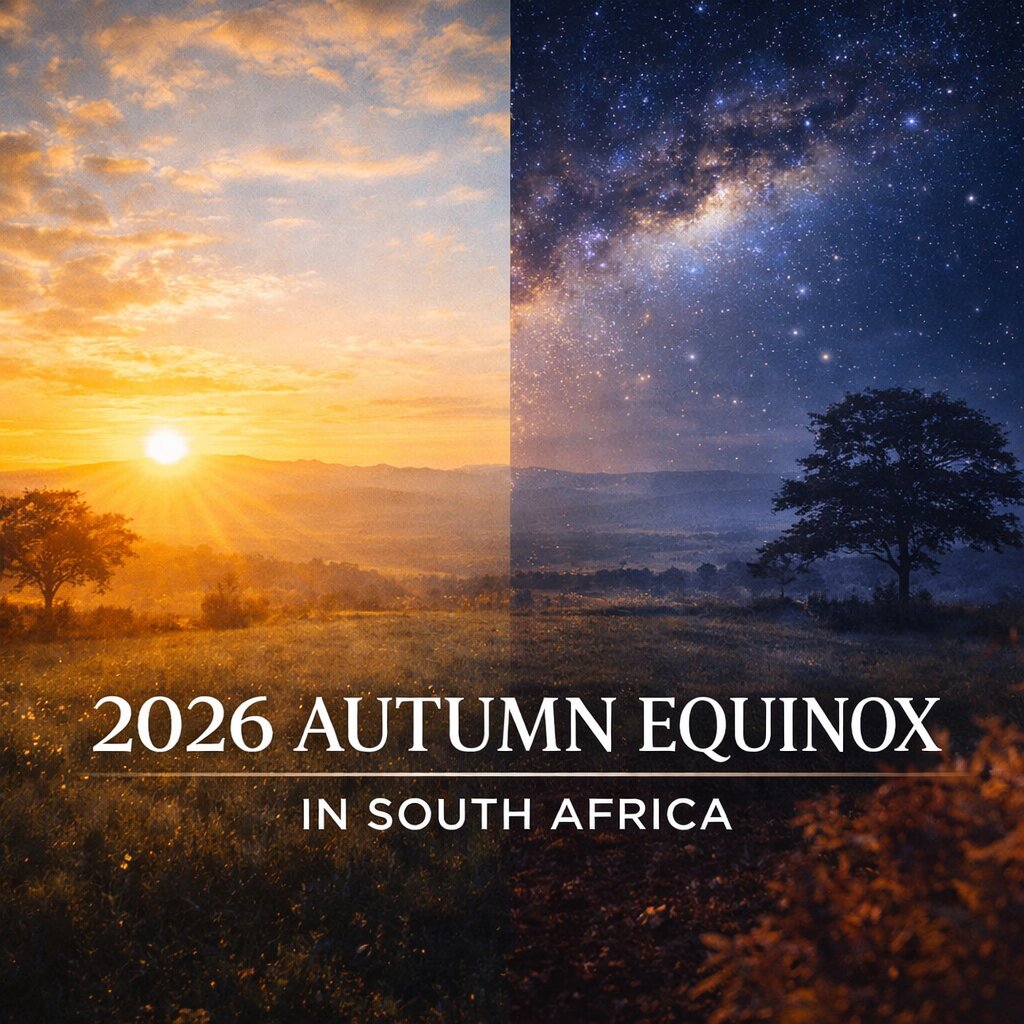

The 2026 Autumn Equinox marks a fascinating moment in Earth’s journey around the Sun. In South Africa, it signals the official start of autumn, bringing shorter days and longer nights. But beyond seasonal change, the equinox is an important astronomical event that affects how we see the sky.
On this day, the Sun sits directly above the Earth’s equator, creating nearly equal hours of daylight and darkness across the planet. For skywatchers, this balance offers a unique opportunity to observe changes in sunrise, sunset, and the visibility of stars and constellations.
In this guide, we explore what the 2026 Autumn Equinox means for the skies above South Africa and what you can expect to see as the season shifts.
What causes the 2026 Autumn Equinox
The 2026 Autumn Equinox occurs because of the tilt of the Earth’s axis and its orbit around the Sun. Earth is tilted at about 23.5 degrees, which is why we experience seasons throughout the year.
During the equinox, the Sun crosses the celestial equator, meaning it is positioned directly above the equator. This results in nearly equal lengths of day and night worldwide.
In South Africa, this moment marks the transition from summer to autumn. After the 2026 Autumn Equinox, the Sun’s path shifts northward, and the Southern Hemisphere begins to receive less direct sunlight.
This gradual change leads to cooler temperatures, earlier sunsets, and longer nights, all of which influence how and when we observe the sky.
How the equinox changes sunrise and sunset

One of the most noticeable effects of the 2026 Autumn Equinox is the change in sunrise and sunset patterns. On the equinox, the Sun rises almost exactly in the east and sets almost exactly in the west.
This is one of the few times of the year when this alignment occurs. For the rest of the year, sunrise and sunset shift slightly north or south, depending on the season.
After the 2026 Autumn Equinox, sunsets begin to happen earlier each day in South Africa. This creates more opportunities for evening stargazing, as darkness arrives sooner.
At the same time, mornings become darker, which can make early observations of planets and stars more rewarding for those willing to wake up before sunrise.
What you can see in the night sky after the equinox

As the 2026 Autumn Equinox passes, the night sky begins to change. Different constellations become more prominent, while others fade from view.
In South Africa, autumn skies often provide excellent visibility for deep-sky objects due to clearer, cooler air. Constellations such as Orion begin to set earlier in the evening, while others rise later in the night.
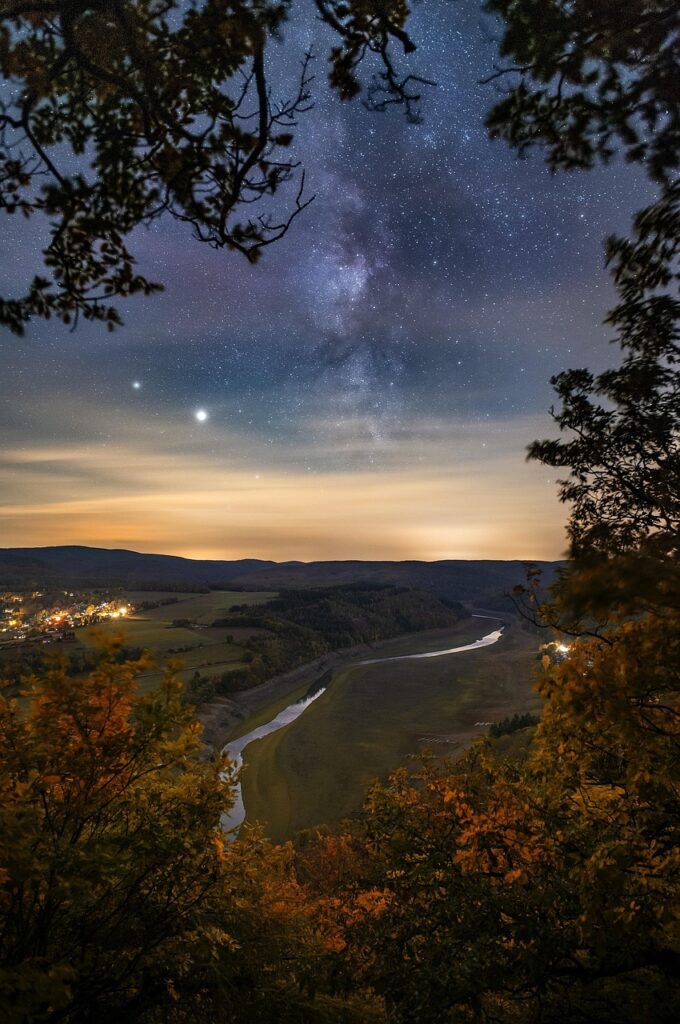
The Milky Way can also become more visible in darker areas, offering stunning views for astrophotographers and enthusiasts. Planets may appear at different times, depending on their positions in their orbits.
The 2026 Autumn Equinox marks the beginning of this transition, making it an exciting time for anyone interested in astronomy.
Best stargazing tips for the season
The period following the 2026 Autumn Equinox is ideal for stargazing in South Africa. With longer nights and often stable weather conditions, visibility can improve significantly.
Here are some tips to make the most of it:
- Choose locations away from city lights for clearer views
- Allow your eyes time to adjust to the darkness
- Use stargazing apps to identify constellations and planets
- Bring warm clothing as temperatures drop at night
- Plan your sessions around moon phases for darker skies
These simple steps can enhance your experience and help you appreciate the changing sky.
Why the equinox matters in astronomy
The 2026 Autumn Equinox is not just a seasonal marker. It plays an important role in astronomy and timekeeping.
Equinoxes are used to define celestial coordinates and are key reference points in the astronomical calendar. They help astronomers track the movement of the Sun and other celestial objects throughout the year.
Historically, equinoxes have also been used by ancient civilisations to mark time, align structures, and plan agricultural cycles.
The 2026 Autumn Equinox connects modern science with centuries of observation and discovery, reminding us of humanity’s long relationship with the sky.
A perfect time to start observing the sky
If you are new to astronomy, the 2026 Autumn Equinox is a great time to begin. The changing sky offers fresh opportunities to learn and explore.
With earlier sunsets and longer nights, it becomes easier to fit stargazing into your routine. Even a few minutes outside can reveal planets, bright stars, and constellations.
For more experienced observers, this is a time to track seasonal changes and capture new celestial targets.
The 2026 Autumn Equinox invites everyone to look up and reconnect with the universe.
Watching the sky as the seasons turn
As the 2026 Autumn Equinox settles in, the night sky becomes richer and more accessible. Each evening brings new sights, and each morning offers a different perspective.
The transition into autumn is not just something we feel on Earth. It is something we can see above us, written in the movement of the Sun, stars, and planets.
By paying attention to these changes, you gain a deeper appreciation for the rhythms of the universe and your place within it.
The sky is always changing. The equinox simply reminds us to notice.