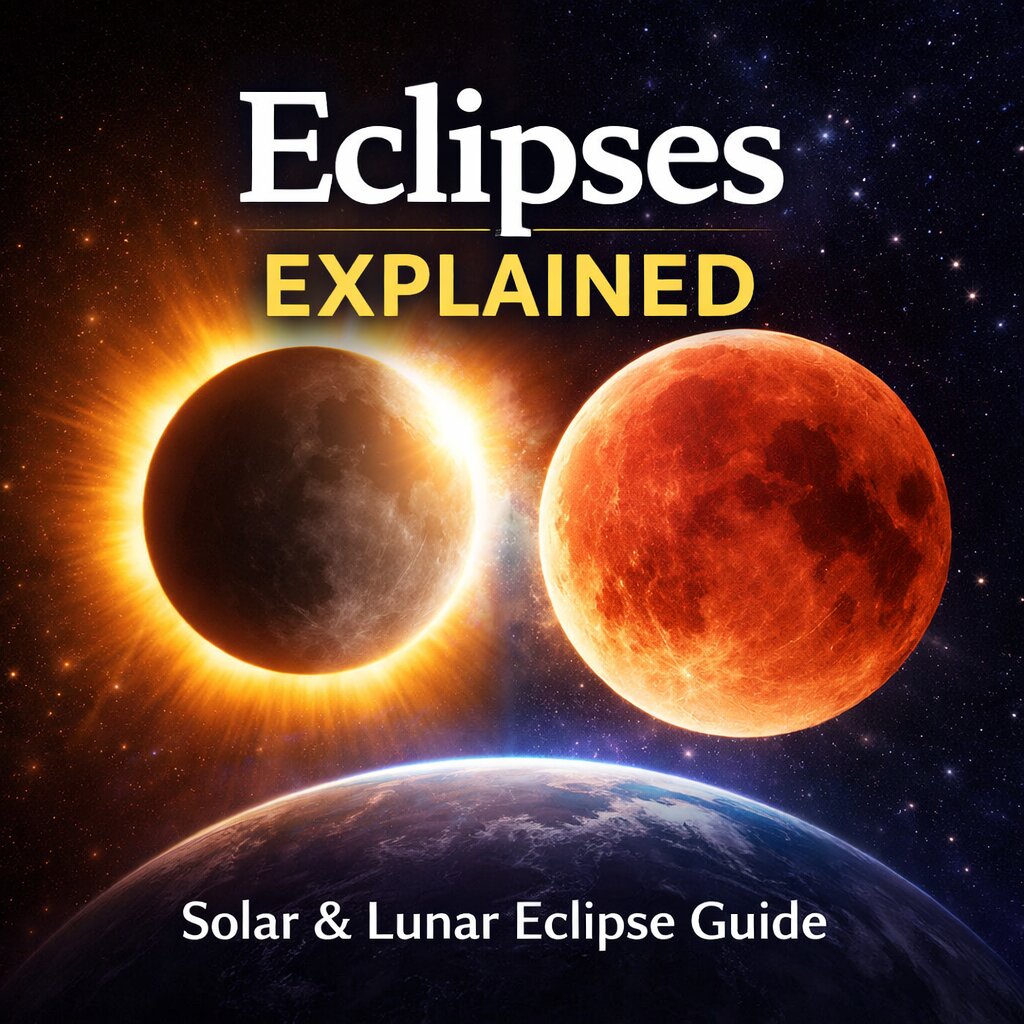

Eclipses are among the most fascinating astronomical events visible from Earth. These rare alignments between the Sun, Earth and Moon create dramatic changes in the sky, turning day into twilight or casting a shadow across the lunar surface.
In this guide, we explore what eclipses are, the different types, how they occur and when you can observe them.
What are eclipses, and why do they happen?
Eclipses occur when one celestial body moves into the shadow of another. In our solar system, eclipses involve the Sun, Earth and Moon aligning in a straight or near-straight line.
There are two main types of eclipses: solar eclipses and lunar eclipses. A solar eclipse happens when the Moon passes between the Earth and the Sun, blocking sunlight. A lunar eclipse occurs when the Earth moves between the Sun and the Moon, casting its shadow onto the Moon.
Despite the Moon orbiting Earth every month, eclipses do not happen monthly. This is because the Moon’s orbit is tilted slightly relative to Earth’s orbit around the Sun. Only when the alignment is precise do eclipses occur.
Types of solar eclipses
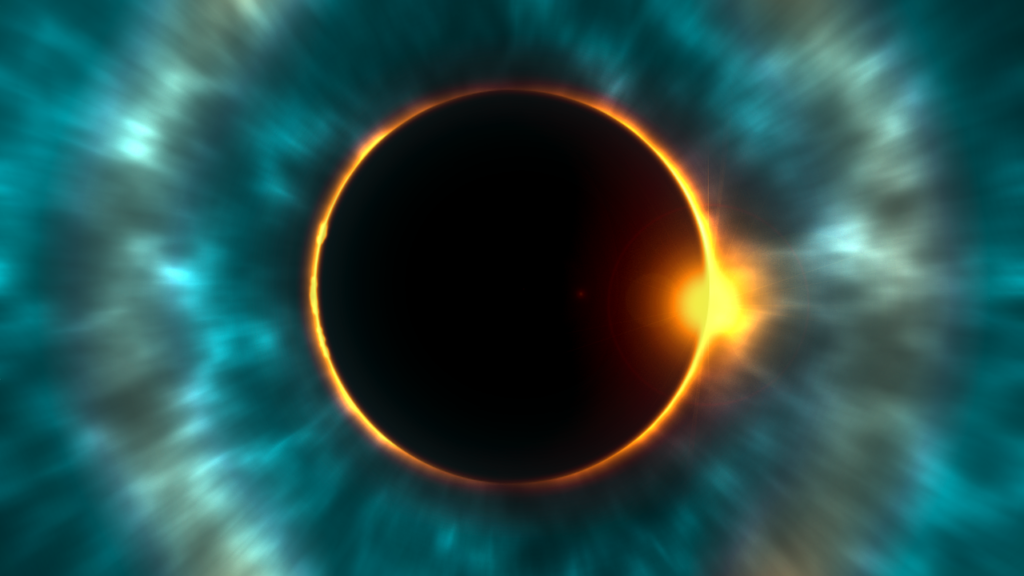
Solar eclipses come in several forms depending on how the Moon’s shadow falls on Earth:
- Total solar eclipse – The Moon completely covers the Sun, revealing the glowing corona
- Partial solar eclipse – Only part of the Sun is covered, creating a crescent shape
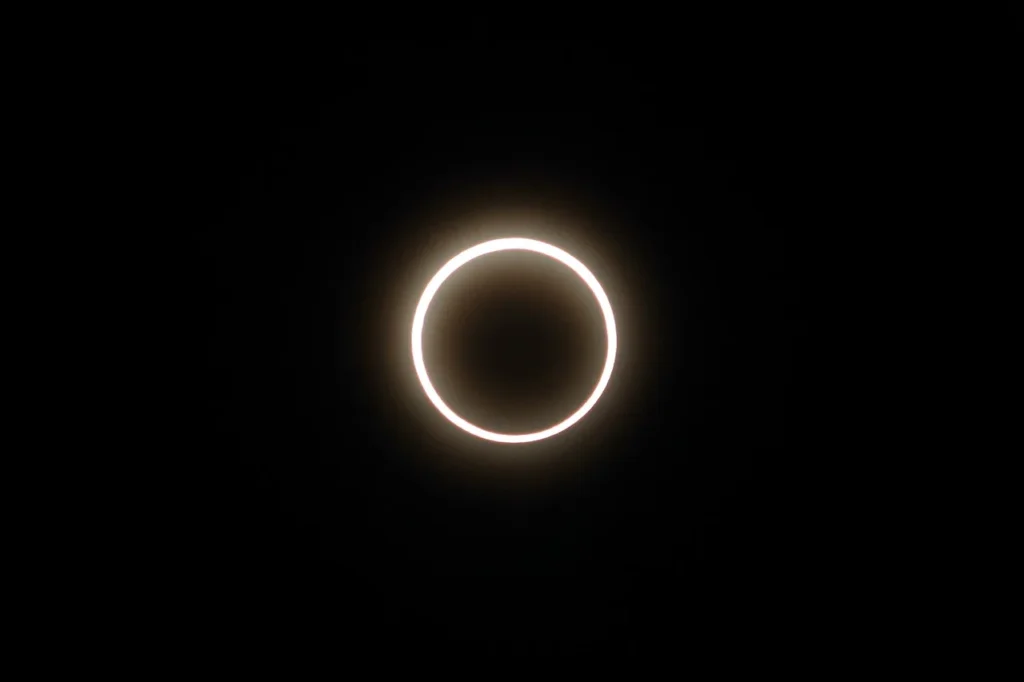
- Annular solar eclipse – The Moon appears smaller, leaving a bright ring of sunlight
- Hybrid solar eclipse – A rare event that shifts between total and annular along its path
These events can only be seen from specific regions on Earth, making them both rare and highly anticipated.
Types of lunar eclipses
Lunar eclipses are more widely visible and occur when Earth’s shadow falls on the Moon:
- Total lunar eclipse – The Moon turns red, often called a “blood moon”
- Partial lunar eclipse – Only part of the Moon enters Earth’s shadow
- Penumbral lunar eclipse – A subtle dimming as the Moon passes through the outer shadow
Unlike solar eclipses, lunar eclipses can be seen from anywhere on the night side of Earth.
Why eclipses are not monthly events
Even though the Moon orbits Earth every 27 days, eclipses only occur during specific periods known as eclipse seasons. These happen when the Moon crosses the points where its orbit intersects Earth’s orbital plane, known as nodes.
If the alignment is not exact, the shadow misses Earth or the Moon entirely. This is why eclipses are predictable but not constant.
Astronomers can calculate eclipse cycles years in advance, allowing observers to prepare for these spectacular events.
How to safely observe eclipses
Viewing eclipses can be an unforgettable experience, but safety is essential, especially for solar eclipses.
- Never look directly at the Sun without proper eclipse glasses
- Use certified solar filters for telescopes or binoculars
- Try a pinhole projector for indirect viewing
- Lunar eclipses are safe to watch with the naked eye
Following these precautions ensures you can enjoy eclipses without risking eye damage.
A celestial alignment worth watching
Eclipses are powerful reminders of the precise movements of celestial bodies. These events showcase the dynamic relationship between the Sun, Earth and Moon, offering both beauty and scientific insight.
Whether it is the eerie darkness of a solar eclipse or the glowing red Moon during a lunar eclipse, these moments continue to captivate observers around the world.