
Every night, the world’s most advanced observatories collect unimaginable amounts of data from the cosmos: light, radio waves, and signals that have travelled billions of years to reach us. Turning this information into discovery requires more than lenses and mirrors. It takes computing power, algorithms, and cutting-edge astronomy technology that pushes the limits of human ingenuity.
Table of Contents
The New Era of Data-Driven Astronomy
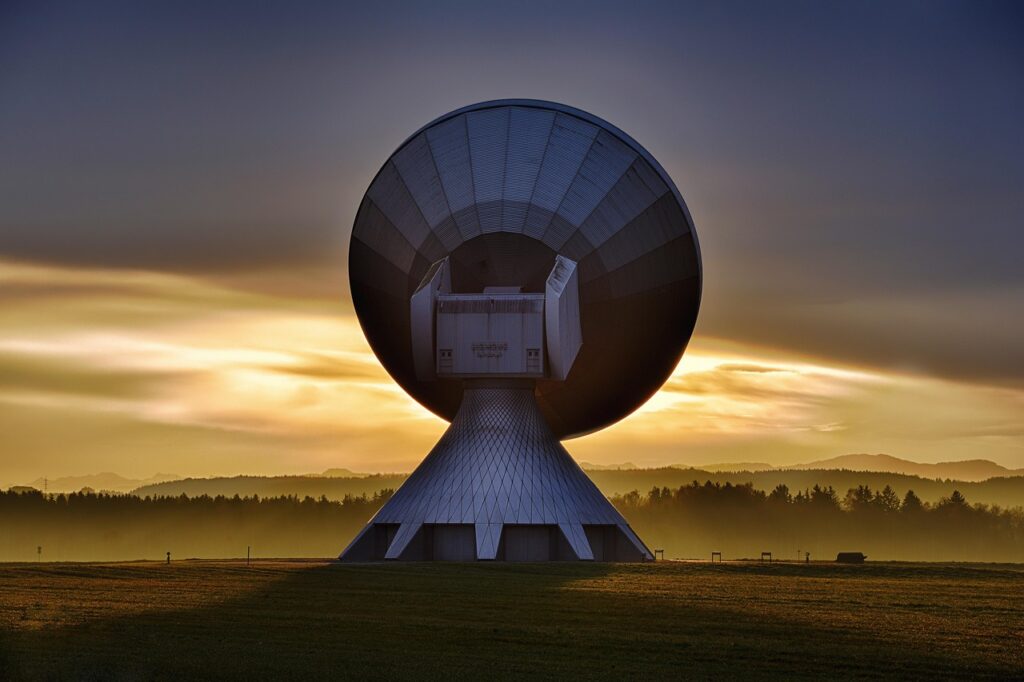
We are living in a golden age of observation. Modern telescopes, from Earth and space alike, can capture hundreds of terabytes of data every night. Projects like the Vera C. Rubin Observatory and Square Kilometre Array (SKA) are designed to map the universe in extraordinary detail, but without advanced signal-processing and big data analytics, that torrent of information would be meaningless.
Today’s astronomers depend on machine learning, artificial intelligence, and distributed computing to sort, analyse, and visualise patterns hidden in the noise. These systems can flag new galaxies, monitor variable stars, and even detect transient events like supernovae or fast radio bursts within minutes of their occurrence.
Signal-Processing: Making Sense of the Noise
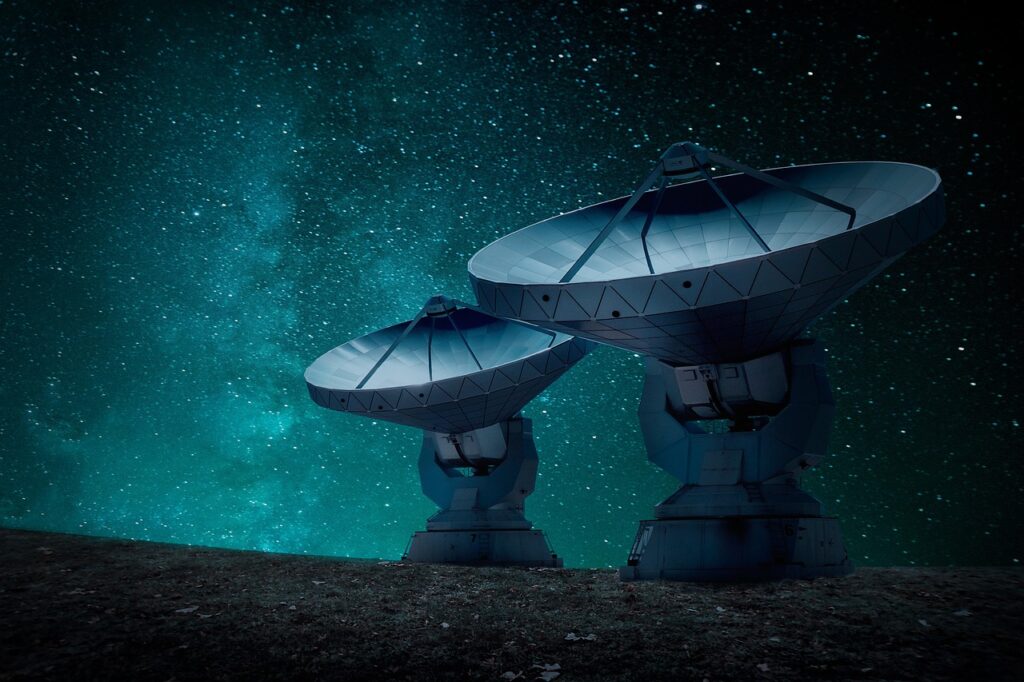
Every telescope is essentially a signal collector. But the signals from space are faint and often drowned out by terrestrial interference, atmospheric noise, or the instrument’s own background data.
To overcome this, signal-processing technology transforms raw observations into usable information. Algorithms filter unwanted frequencies, synchronise timing from multiple antennas, and reconstruct high-resolution images from data fragments.
Radio telescopes like MeerKAT in South Africa and ALMA in Chile use thousands of individual sensors working in perfect coordination, their combined output then processed through massive computational pipelines to reveal never-before-seen detail.
Big Data: The Hidden Backbone of Astronomy
Astronomy has become one of the most data-intensive sciences on Earth. Each observation produces streams of information that must be catalogued, compared, and archived.
For perspective: the SKA project alone is expected to generate around 700 petabytes of data annually, more than the entire global internet traffic of 2010. To handle this, international teams are developing next-generation data centres and high-speed networks capable of transmitting and processing astronomical information in real time.
This scale of data has transformed how discoveries are made. Rather than staring through an eyepiece, modern astronomers spend their time refining algorithms, writing scripts, and training AI models to identify meaningful signals among billions of data points.
The Marriage of Hardware and Software
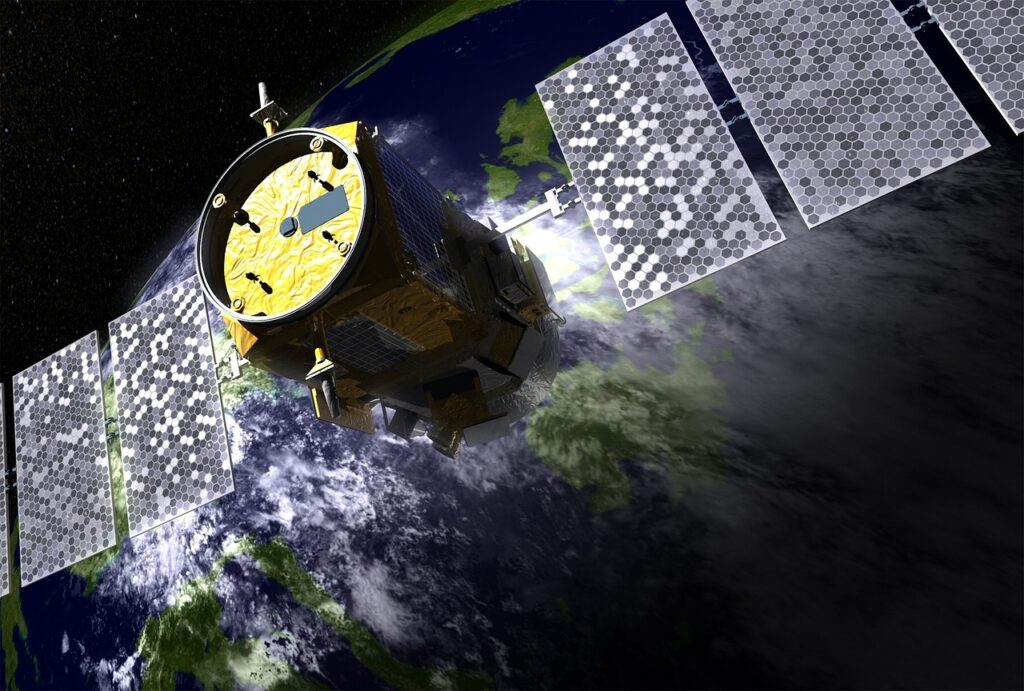
Behind every breakthrough in astronomy technology lies the perfect harmony between hardware and software. Giant mirrors and radio dishes capture celestial signals, but GPUs, FPGAs, and supercomputers translate them into images, spectra, and simulations.
Adaptive optics, for instance, use real-time processing to counter atmospheric distortion, while interferometry combines data from multiple telescopes to create sharper cosmic portraits. Together, these innovations allow us to peer deeper into space, and further back in time, than ever before.
Why It Matters for Everyday Astronomers
While these advances sound monumental, their influence trickles down to the amateur community too. Affordable CMOS sensors, mobile astrophotography apps, and image-stacking software are all born from professional research in astronomy technology.
Even hobbyist telescopes now benefit from automated tracking, AI-guided alignment, and adaptive exposure settings — features once reserved for space observatories. The same algorithms that power the SKA’s data analysis can now help a backyard astronomer process a clear image of Jupiter or the Orion Nebula.
Technology as the New Telescope
The universe hasn’t changed: our tools have. From signal-processing arrays to AI-driven data analysis, astronomy technology is redefining how humanity explores the cosmos. The new frontier of astronomy isn’t just about what we can see, but about how we understand what we see.
And as our instruments become smarter, faster, and more connected, the next great discovery may not be found in the stars, but in the data that captures them.