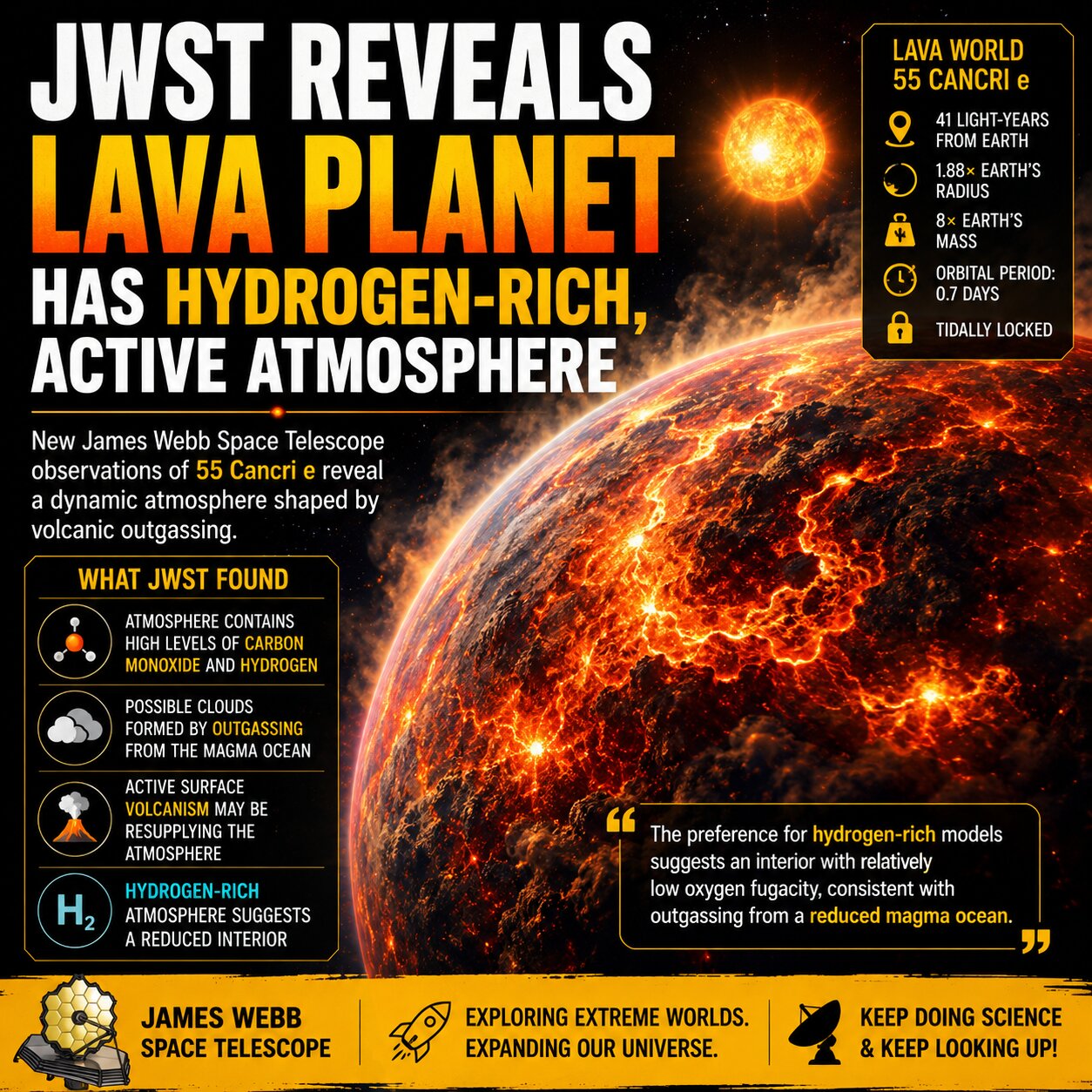
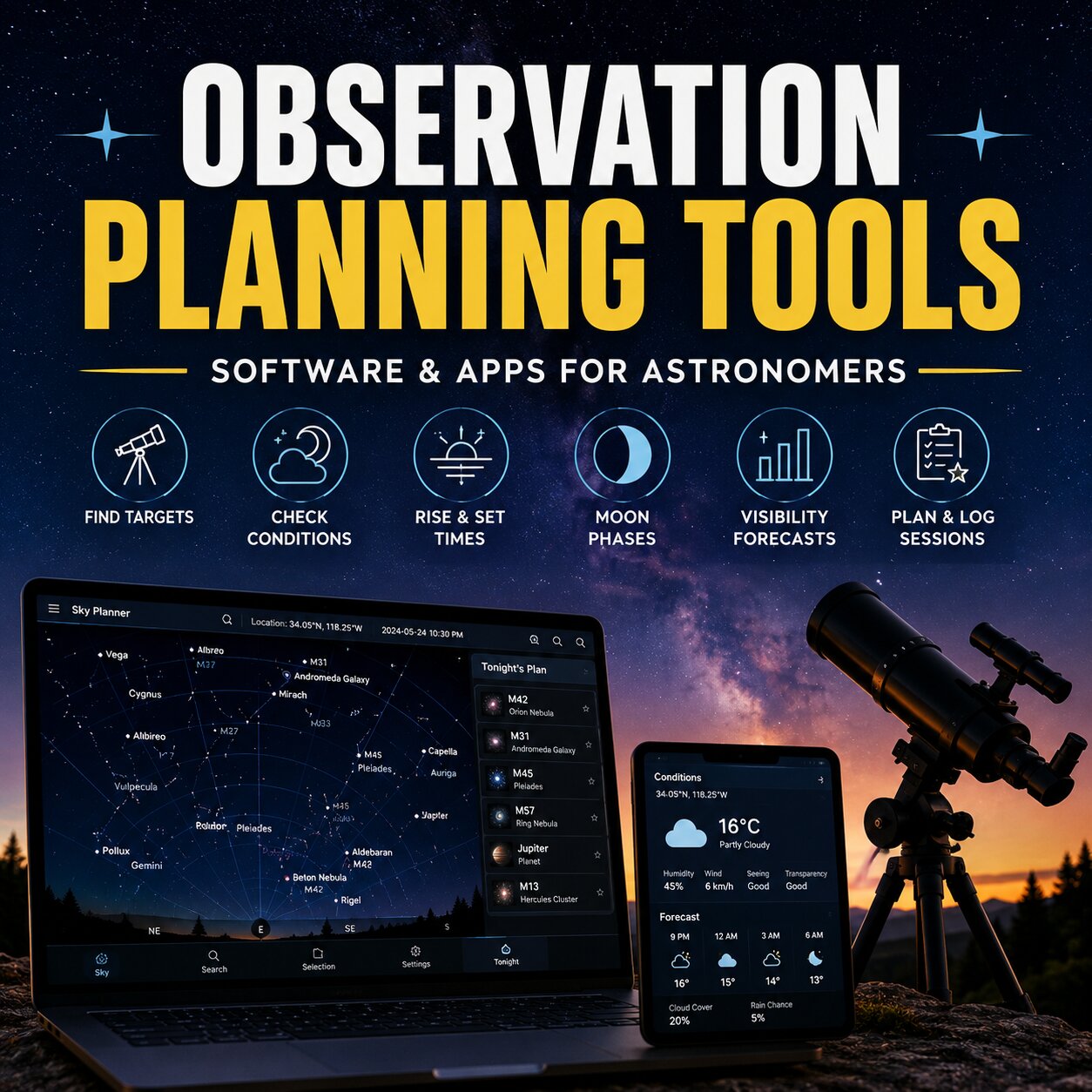
Astrophotography for beginners is about learning how to capture the night sky step by step, without expensive gear or advanced technical knowledge. From photographing stars and the Milky Way to your first planets or deep-sky objects, getting started is more accessible than many people expect.
With the right approach, even simple equipment can produce impressive results while you build skills and confidence.
What is astrophotography?
Astrophotography is the practice of photographing celestial objects such as stars, planets, the Moon, nebulae, and galaxies. Because these objects are faint and constantly moving across the sky, astrophotography relies on long exposures, stable equipment, and careful planning.
Unlike daytime photography, success depends less on speed and more on patience, precision, and understanding the night sky.
Starting with simple equipment
Many beginners assume they need a telescope straight away. In reality, some of the best first astrophotography results come from very basic setups.
You can start with:
- A camera (DSLR, mirrorless, or even some advanced smartphones)
- A tripod
- A wide-angle or standard lens
This setup is ideal for nightscapes, star fields, constellations, and Milky Way photography.
Understanding targets for beginners
Not all celestial objects are beginner-friendly. Some targets are far easier to photograph than others.
Good beginner targets include:
- The Moon
- Bright planets like Jupiter and Saturn
- The Milky Way
- Star clusters
Starting with bright, large targets helps you learn exposure, focus, and composition without frustration.
Why tracking matters
As the Earth rotates, stars appear to move across the sky. This limits how long you can expose an image before stars turn into streaks.
Beginner astrophotographers often start without tracking, using short exposures. As skills improve, star trackers and motorised mounts allow longer exposures that reveal faint detail in deep-sky objects.
Tracking is one of the biggest upgrades in astrophotography, but it is not required on day one.
Basic camera settings explained
Understanding camera settings is one of the biggest learning curves in astrophotography for beginners. The good news is that you only need to master a few key controls to start getting usable night-sky images.
Astrophotography is about collecting as much clean light as possible without introducing blur or excessive noise.
ISO and light sensitivity
ISO controls how sensitive your camera’s sensor is to light. In low-light astrophotography, higher ISO values help reveal faint stars and sky detail.
For beginners:
- Start with a moderate ISO rather than the maximum
- Higher ISO makes images brighter, but also increases noise
- Modern cameras handle noise better than older models
Finding the balance between brightness and noise is more important than chasing extreme ISO values.
Aperture and light gathering
Aperture refers to how wide the lens opens, measured in f-numbers. In astrophotography, wider apertures allow more light to reach the sensor.
Key points to remember:
- Lower f-numbers mean wider apertures
- Wide apertures reduce exposure time
- Some lenses are sharper when stopped down slightly
Beginners should aim to use their lens as wide as possible while maintaining acceptable sharpness.
Shutter speed and star movement
Shutter speed determines how long your camera collects light. Longer exposures capture more detail, but also increase the risk of star trails caused by Earth’s rotation.
Without tracking:
- Exposure time is limited before stars blur
- Wide lenses allow longer exposures than telephoto lenses
With tracking:
- Much longer exposures are possible
- Fainter objects become visible
Understanding this balance helps beginners choose realistic targets and settings.
Shooting in manual mode
Astrophotography requires manual control. Automatic camera modes struggle in darkness and often produce inconsistent results.
Manual mode allows you to:
- Control exposure precisely
- Keep settings consistent across frames
- Learn how each adjustment affects the final image
This control is essential for both learning and post-processing later on.
File format and image quality
Beginners should always shoot in RAW format if available. RAW files preserve far more detail and dynamic range than JPEGs.
RAW images:
- Retain subtle star and sky detail
- Allow better noise reduction
- Offer greater flexibility in post-processing
While RAW files require editing, they are essential for serious astrophotography results.
Focusing at night
Focusing is often the most frustrating part of astrophotography for beginners. In low light, autofocus systems struggle, and even small focus errors can turn stars into soft blobs instead of sharp points.
Learning to focus manually is a key skill that dramatically improves image quality.
Why autofocus usually fails
Autofocus systems rely on contrast to lock onto a subject. At night, the sky provides very little contrast, and stars are effectively points of light against darkness.
As a result:
- Autofocus may hunt endlessly
- Focus may lock incorrectly
- Images may appear sharp on the camera screen but blurry later
For this reason, most astrophotographers rely on manual focus.
Using live view to focus on a bright star
The most reliable beginner method is focusing using live view on a bright star or distant light.
Steps to follow:
- Switch the lens to manual focus
- Enable live view on the camera
- Zoom in digitally on a bright star or planet
- Slowly adjust focus until the star appears as small and sharp as possible
Take your time. Small adjustments make a big difference.
Infinity focus is not always accurate
Many lenses have an infinity symbol, but this mark is often not perfectly calibrated. Relying on it alone can lead to soft focus.
Temperature changes can also affect focus, especially during long sessions, so it’s important to check focus periodically.
Using focus aids and tools
As skills develop, beginners may experiment with simple focusing aids such as:
- Focusing on distant lights before full darkness
- Using focus peaking if the camera supports it
- Using a focusing mask for bright stars
These tools help refine focus but are not required to get started.
Rechecking focus during a session
Focus can shift during the night due to temperature changes or accidental bumps to the lens or telescope.
It’s good practice to:
- Recheck focus every hour or after moving equipment
- Recheck focus after changing targets
- Review images at high zoom on the camera screen
Sharp focus is one of the biggest factors separating beginner images from more advanced results.
Introduction to post-processing
Astrophotography does not end when the image is captured. Post-processing is where detail is revealed and noise is reduced.
Beginners should focus on:
- Adjusting exposure and contrast
- Correcting colour balance
- Reducing noise gently
The goal is to enhance what the camera recorded, not to create something artificial.
Learning gradually and enjoying the process
Astrophotography for beginners is a journey. Each session teaches something new, whether it is framing, focusing, or simply understanding the sky better.
Progress comes from consistent practice rather than expensive upgrades. Many experienced astrophotographers still use simple setups for certain types of images.
Where to go next
Once you are comfortable with the basics, you can begin exploring cameras, tracking systems, lenses, filters, accessories, and structured post-processing workflows.
Explore the category blocks on our Astrophotography page to dive deeper into specific areas of astrophotography and continue building your skills one step at a time under the stars.