NASA is evaluating an early return of astronauts from the International Space Station after a medical issue was reported involving one crew member. While the agency has not released specific medical details, officials confirmed that the situation is being closely monitored by flight surgeons on Earth, with astronaut safety remaining the highest priority.
Medical contingencies are a standard part of long-duration space missions, and NASA has emphasised that the crew is currently safe and the station remains fully operational.
Medical monitoring and operational adjustments
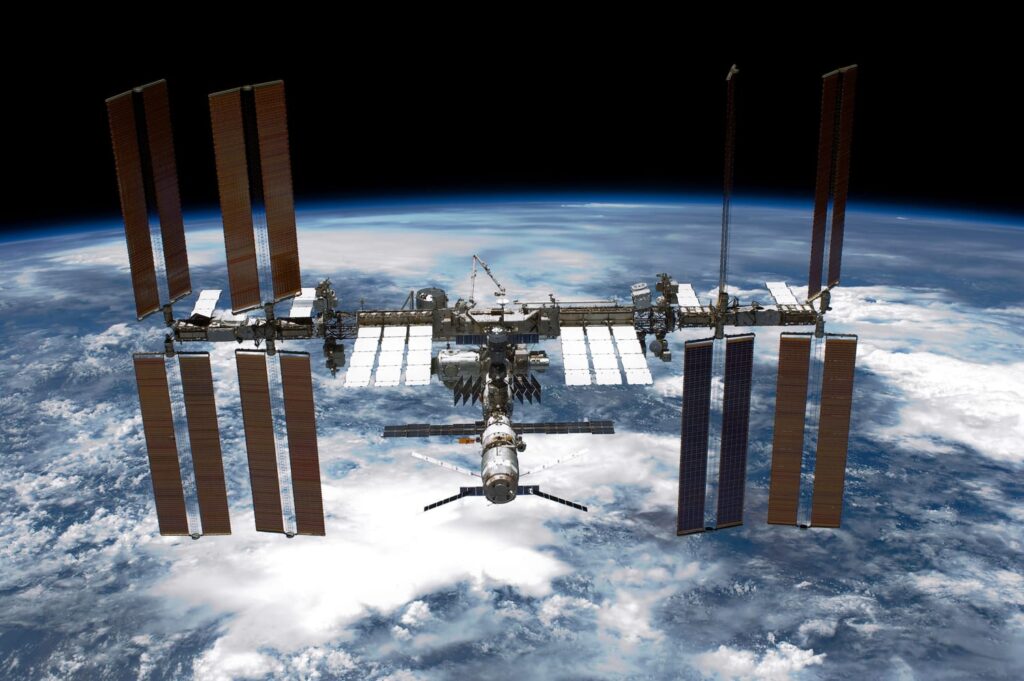
Following the report, NASA implemented precautionary adjustments to the ISS schedule. Non-critical tasks and experiments were temporarily postponed to reduce crew workload while medical teams assess the condition remotely. Continuous communication between astronauts and ground-based doctors allows real-time monitoring and guidance.
Such adjustments are not uncommon in spaceflight. Long missions in microgravity can place unique stresses on the human body, and NASA’s operational protocols are designed to adapt quickly when health concerns arise.
Emergency return capabilities aboard the ISS
If an early return is deemed necessary, the crew would travel back to Earth using the docked SpaceX Crew Dragon capsule. This vehicle functions as both routine transport and an emergency lifeboat, ensuring astronauts can return safely at short notice.
The availability of an immediate return option is a cornerstone of ISS safety planning. Crew Dragon capsules are maintained in a constant state of readiness, allowing NASA to prioritise medical care on Earth if in-orbit treatment is insufficient.
Planning for medical events in space
NASA trains extensively for in-flight medical scenarios, ranging from minor illness to more serious conditions. Astronauts receive medical training before launch, and mission plans include detailed procedures for diagnosis, stabilisation, and evacuation if required.
These preparations reflect decades of experience in human spaceflight. While medical events in orbit are rare, the agency treats every situation with caution, using conservative decision-making to protect long-term crew health.
Safeguarding astronauts beyond Earth
NASA’s consideration of an early ISS return underscores the realities of human spaceflight and the importance of robust contingency planning. With constant medical oversight, flexible mission operations, and reliable return vehicles, the agency is equipped to respond swiftly when astronaut well-being is at stake.
As evaluations continue, NASA is expected to provide further updates. The situation serves as a reminder that even in low Earth orbit, protecting human life remains the defining priority of every space mission.