Our Solar System is the vast cosmic neighbourhood that Earth belongs to, shaped by gravity, motion, and time. At its centre lies the Sun, a powerful star whose gravity holds planets, moons, and countless smaller objects in orbit. Everything we observe in our night sky is part of this intricate and ever-moving system.
For beginners, understanding our Solar System is the first step toward understanding space itself. Rather than being empty or static, the Solar System is alive with motion, interaction, and variety. This guide offers a simple overview of how it is structured and what makes it so fascinating.
What makes up our Solar System?
Our Solar System consists of the Sun and all objects gravitationally bound to it. This includes eight major planets, dozens of moons, dwarf planets, asteroids, comets, and distant icy bodies.
Each object formed from the same cloud of gas and dust around 4.6 billion years ago. Over time, gravity pulled material together, shaping planets close to the Sun and scattering smaller objects farther out. This shared origin connects every part of our Solar System, despite the vast distances between them.
The Sun: the centre of our Solar System
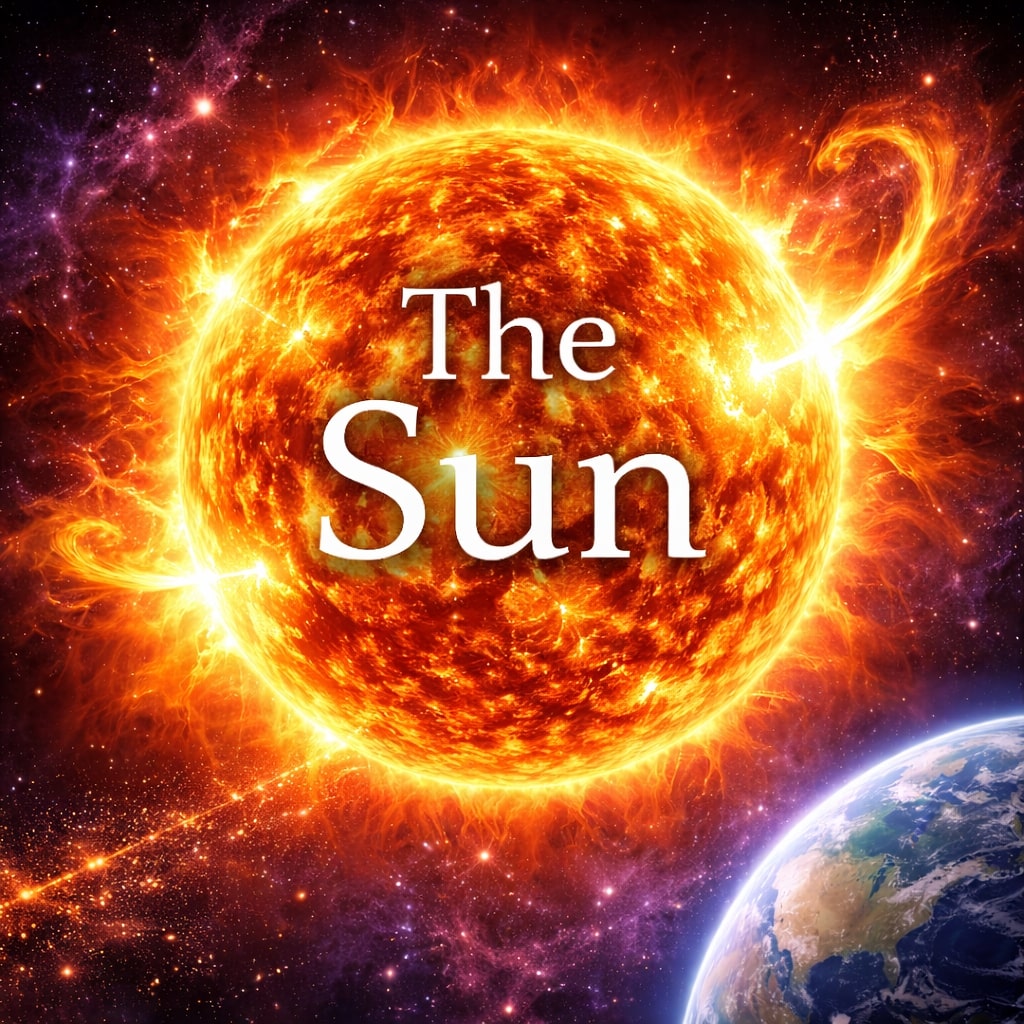
The Sun is the heart of the Solar System and contains more than 99 percent of its total mass. Its gravity keeps planets in stable orbits, while its energy provides light and heat.
Without the Sun, life on Earth would not exist. Solar energy drives weather, ocean currents, and climate. Understanding the Sun helps explain why planets behave the way they do and why conditions vary so dramatically across our Solar System.
The planets and their paths
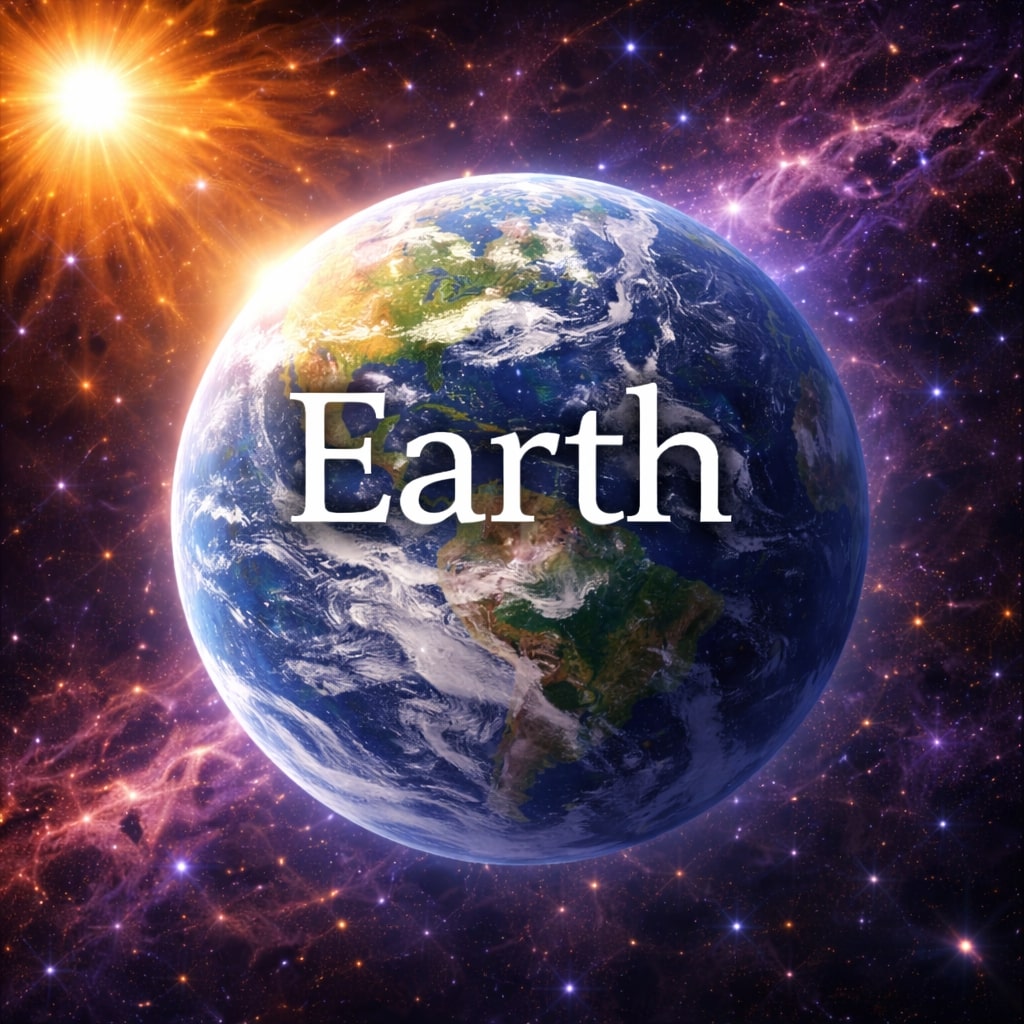
The planets of the Solar System travel around the Sun in predictable paths called orbits. The four inner planets are rocky worlds, while the outer planets are gas and ice giants with thick atmospheres and extensive moon systems.
Each planet moves at a different speed depending on its distance from the Sun. These orbital patterns create the rhythms of days, years, seasons, and eclipses that we observe from Earth.
Moons, asteroids, and comets
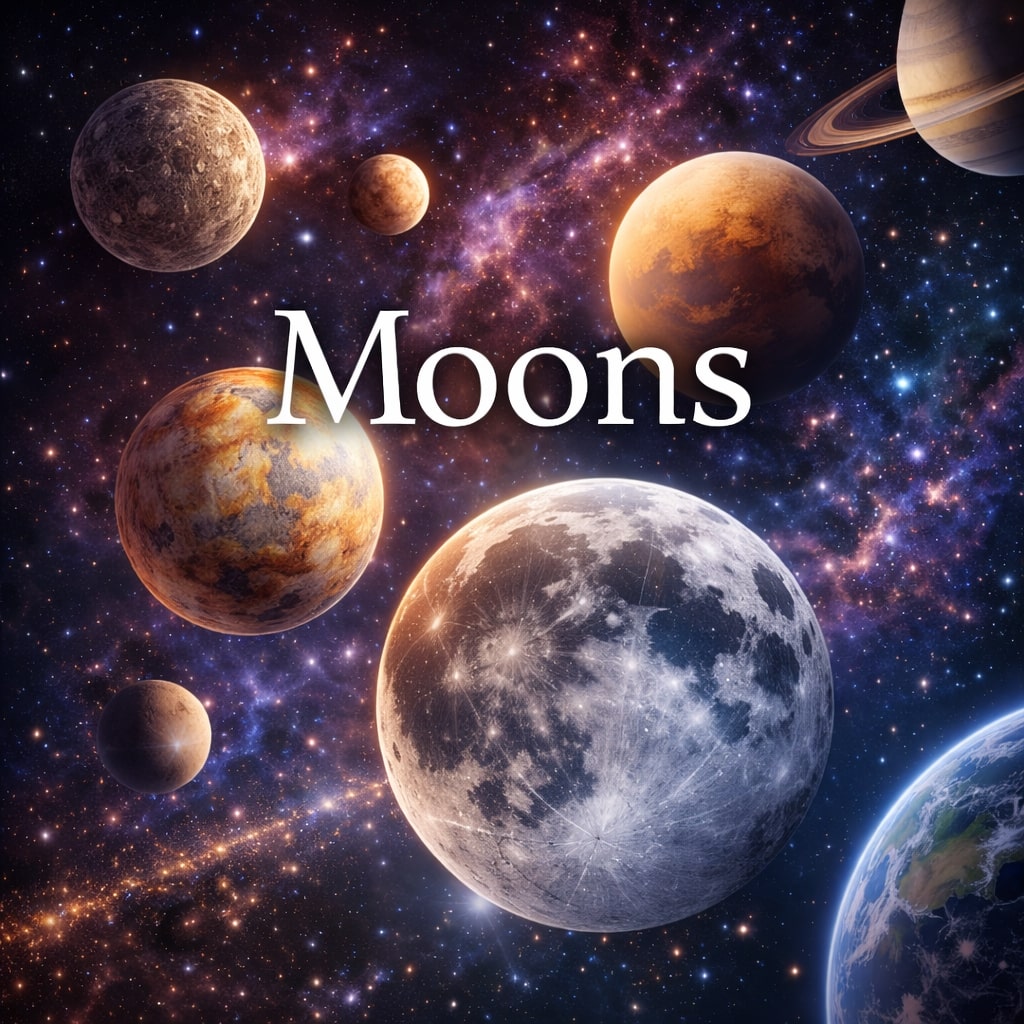
Beyond planets, the Solar System contains many smaller bodies. Moons orbit planets and come in a surprising range of forms, from volcanic worlds to icy oceans hidden beneath frozen surfaces.
Asteroids are mostly found between Mars and Jupiter, while comets originate from distant regions and follow long, looping orbits. These objects are remnants of the Solar System’s formation and offer valuable clues about its early history.
Distant regions of our Solar System
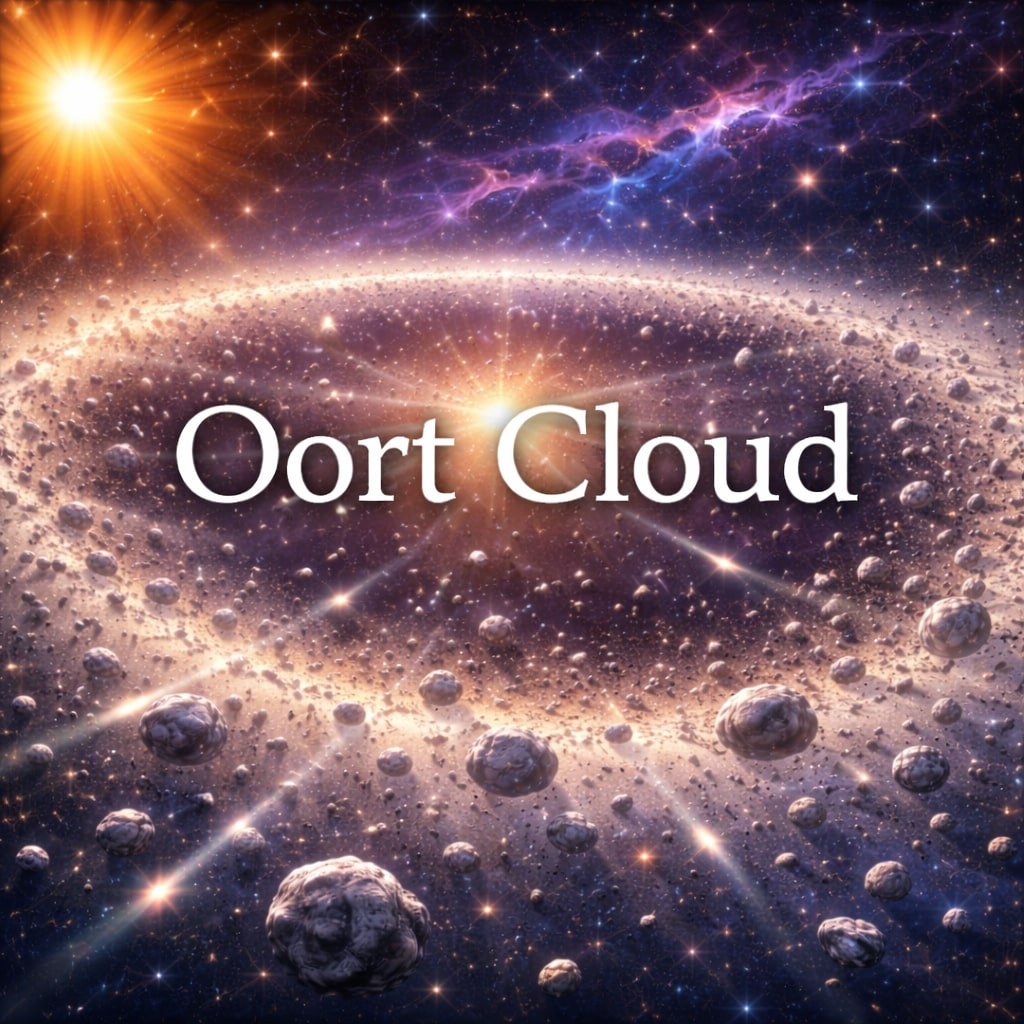
Far beyond the outer planets lie vast regions filled with icy debris. These areas mark the boundary between our Solar System and interstellar space.
Objects in these distant regions rarely interact with the inner planets, but when they do, they can become visible comets. Studying these outer zones helps astronomers understand how our Solar System formed and how it continues to evolve.
Why our Solar System matters
Learning about our Solar System helps us understand Earth’s place in the universe. It shows how rare and fragile life-supporting conditions can be, and how interconnected celestial objects truly are.
As space exploration advances, our Solar System remains a natural laboratory for discovery. Each mission reveals new insights, reminding us that even our own cosmic backyard still holds many mysteries waiting to be explored.