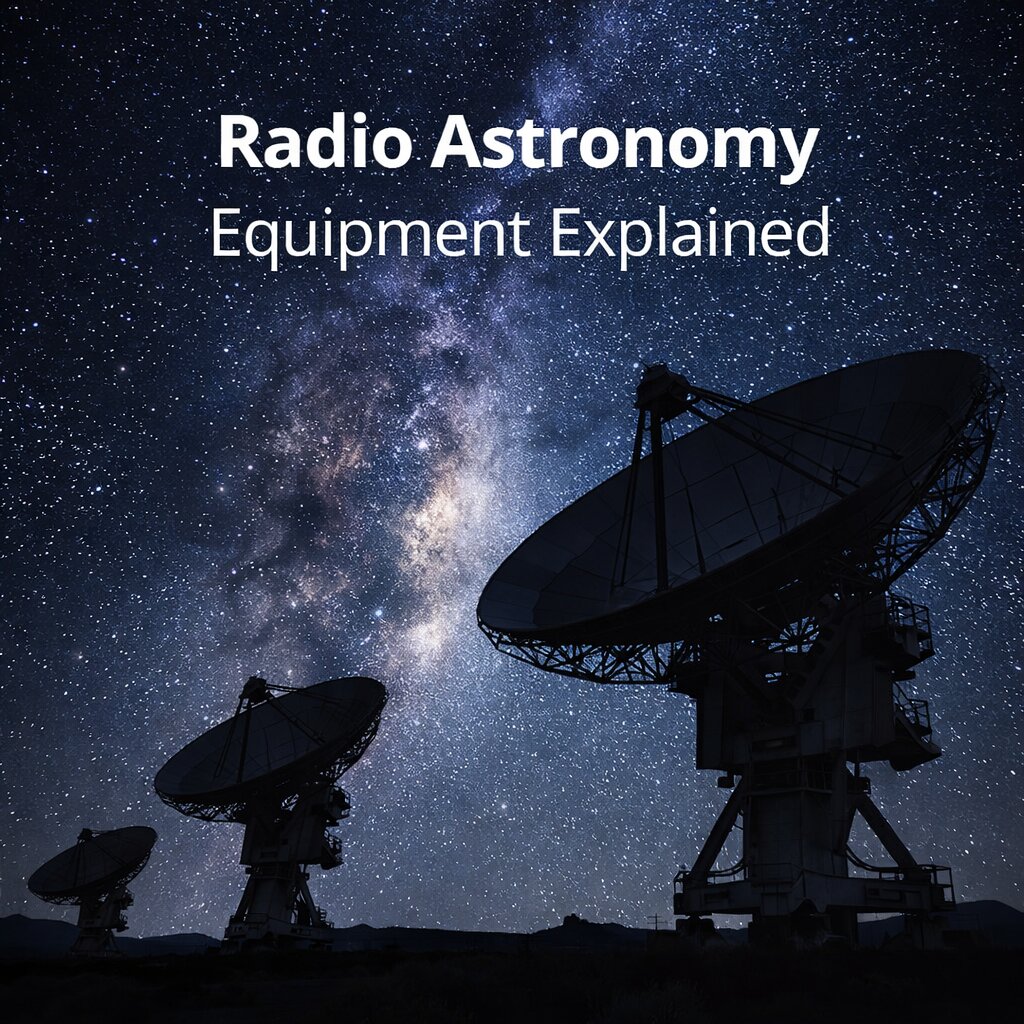

Radio astronomy equipment allows scientists to explore a completely different version of the universe, one that cannot be seen with the naked eye or even traditional optical telescopes. Instead of capturing visible light, this equipment detects radio waves emitted by stars, galaxies, black holes, and other cosmic phenomena.
To most people, space is what we see in images. Bright stars, colourful nebulae, and distant galaxies. But in reality, the universe is constantly sending out signals far beyond visible light, and radio astronomy equipment is what makes it possible to “listen” to space.
In this guide, we break down what radio astronomy equipment is, the different types used in research, and why it plays such an important role in understanding the universe.
What is radio astronomy equipment?
At its core, radio astronomy equipment refers to the tools and systems used to detect and study radio waves coming from space. These waves are a type of electromagnetic radiation, just like visible light, but with much longer wavelengths.
Unlike optical telescopes, which rely on clear skies and darkness, radio astronomy equipment can operate during the day and even through clouds. This makes it incredibly useful for continuous observation.
The goal of this equipment is not to produce traditional images, but to collect data that can be processed into maps, signals, and visual representations of cosmic activity.
How radio astronomy equipment works
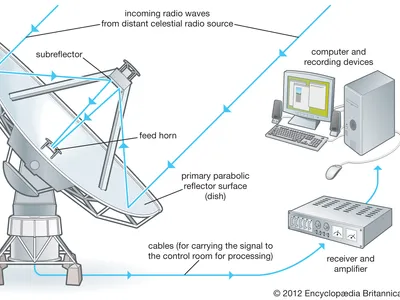
Radio astronomy equipment works by capturing faint radio signals from space using large collecting surfaces, usually in the form of dish-shaped antennas.
These signals are extremely weak by the time they reach Earth, so the equipment must be highly sensitive. Once collected, the signals are amplified, filtered, and converted into data that scientists can analyse.
The process involves several key steps:
- Collecting radio waves using antennas or dishes
- Amplifying weak signals without introducing noise
- Converting signals into digital data
- Processing the data into usable formats such as images or graphs
This allows astronomers to study objects that would otherwise be invisible.
Main types of radio astronomy equipment
There are several types of radio astronomy equipment, each designed for specific research purposes.
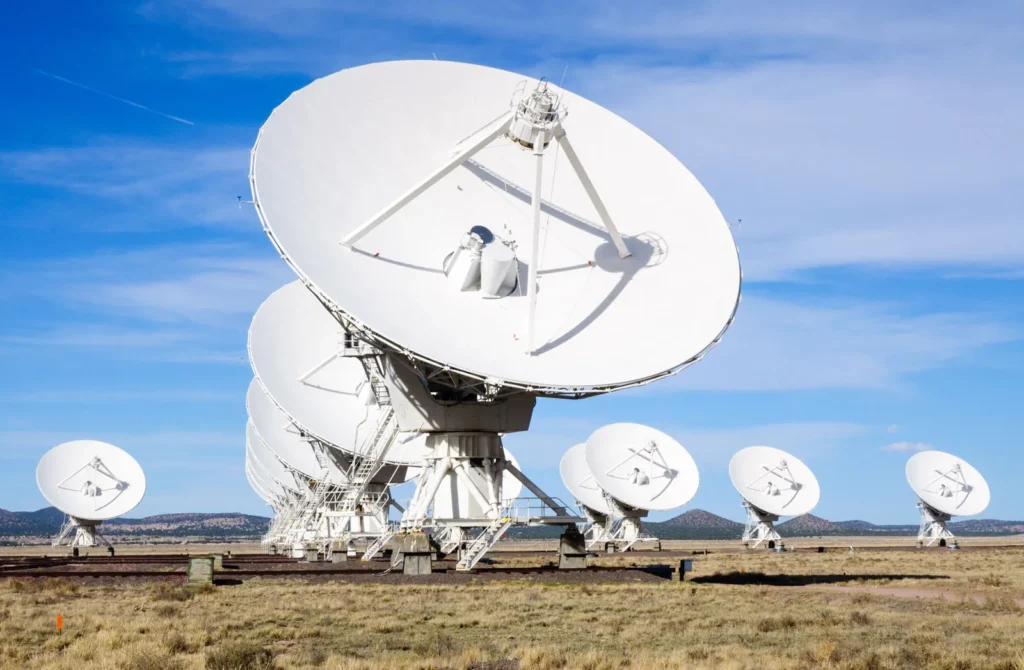
The most recognisable are radio telescopes, which often look like massive satellite dishes. These can be used individually or combined into arrays to increase resolution.
Other important equipment includes:
- Antenna arrays, where multiple smaller dishes work together
- Receivers that capture and process radio frequencies
- Signal processors that turn raw data into meaningful information
- Interferometers, which combine signals from multiple telescopes to simulate a much larger instrument
These systems often work together as part of large observatories.
Why radio astronomy equipment is important
Radio astronomy equipment has opened up discoveries that would not be possible with optical instruments alone. Many cosmic phenomena emit strong radio signals but little to no visible light.
This includes objects and events such as pulsars, quasars, and even the structure of galaxies hidden behind dust clouds.
Because radio waves can pass through gas and dust, radio astronomy allows scientists to observe regions of space that are otherwise obscured. This makes it essential for understanding the deeper structure of the universe.
Where radio astronomy equipment is used
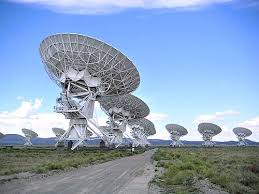
Radio astronomy equipment is typically located in remote areas far from human-made interference. Radio signals from phones, televisions, and other electronics can disrupt observations.
Large radio observatories are often built in deserts, plains, or specially protected zones where interference is minimal.
Some of the most advanced systems are made up of multiple telescopes spread across large distances, working together to act as one massive instrument.
Challenges of radio astronomy equipment
Despite its capabilities, radio astronomy equipment faces several challenges. One of the biggest is interference from human technology, which can overwhelm faint cosmic signals.
The equipment itself is also expensive and requires precise calibration and maintenance. Even small errors can affect data quality.
Another challenge is data processing. Radio telescopes generate massive amounts of data that must be analysed using powerful computers.
The future of radio astronomy equipment
The future of radio astronomy equipment is focused on greater sensitivity, larger arrays, and better data processing capabilities.
New projects are being developed to map the universe in unprecedented detail, detect signals from the early universe, and search for unknown phenomena.
Advances in computing and technology are making it possible to handle larger datasets and improve the accuracy of observations.
Listening to the universe in a different way
Radio astronomy equipment gives us a completely different perspective on space. Instead of seeing the universe, it allows us to detect and interpret signals that reveal hidden structures and events.
Even if most people never use this equipment directly, its impact is everywhere in modern astronomy. It expands our understanding of the cosmos and shows that there is far more to space than what we can see.