

Skywatchers in Cape Town are in for a subtle but fascinating celestial event on the evening of March 27. A bright waxing gibbous moon will pass close to the Beehive Cluster (M44), offering a chance to observe both the Moon’s surface and one of the nearest open star clusters in our galaxy.
While this event is often described from a northern hemisphere perspective, observers in the southern hemisphere, including South Africa, will still be able to witness the pairing. However, the orientation and visibility will differ slightly, making it a unique viewing experience for local stargazers.
If skies are clear, this is a great opportunity to step outside after sunset and explore the night sky from your own backyard.
Where to look in the Cape Town sky
The Beehive Cluster lies in the constellation Cancer, which appears relatively low in the northern part of the sky when viewed from Cape Town. As darkness falls on March 27, look toward the northern to north-western horizon.
The waxing moon, illuminated at roughly three-quarters, will appear close to this region. Due to its brightness, the Moon will be much easier to spot than the cluster itself, which may appear faint or even invisible to the naked eye under city light conditions.
Because Cancer is not a particularly bright constellation, using nearby reference stars or a stargazing app can help you locate the correct area. Once you find the Moon, scan the surrounding sky carefully for a faint, misty patch of light.
What you’ll see and how it differs in the southern hemisphere
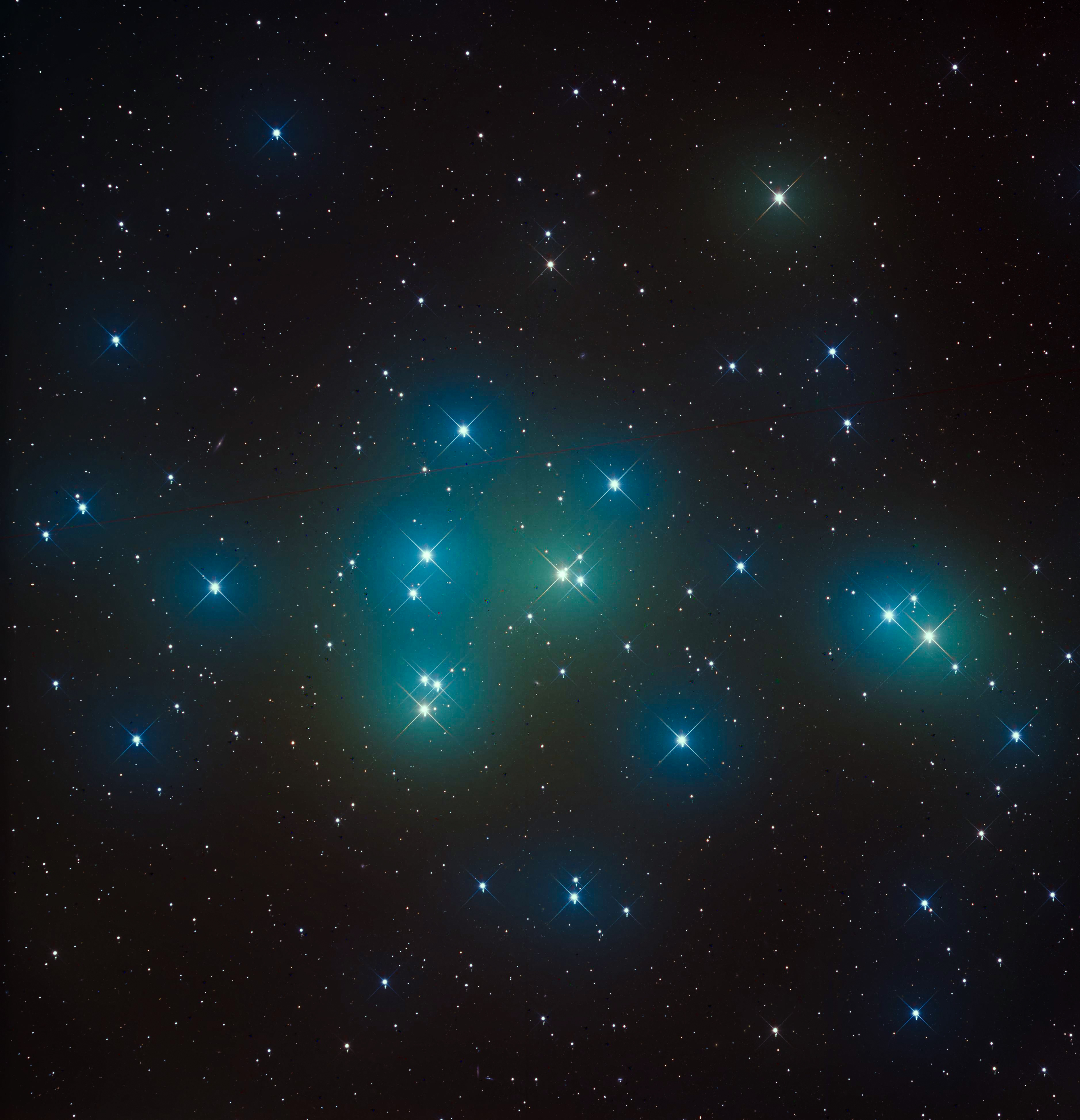
From Cape Town, the Moon will still pass near the Beehive Cluster, but its motion will appear slightly different compared to northern hemisphere descriptions. Instead of a pronounced sweep across the cluster, the alignment may feel more like a close pairing in the sky.
The biggest challenge will be the Moon’s brightness. At around 77% illumination, its glow can easily wash out the faint stars of M44, especially in urban areas. Under darker skies, the cluster may appear as a soft, hazy patch.
With binoculars, you can resolve several individual stars within the Beehive. A small telescope will reveal even more detail, transforming that faint glow into a scattered grouping of stars.
Observing tips for Cape Town viewers
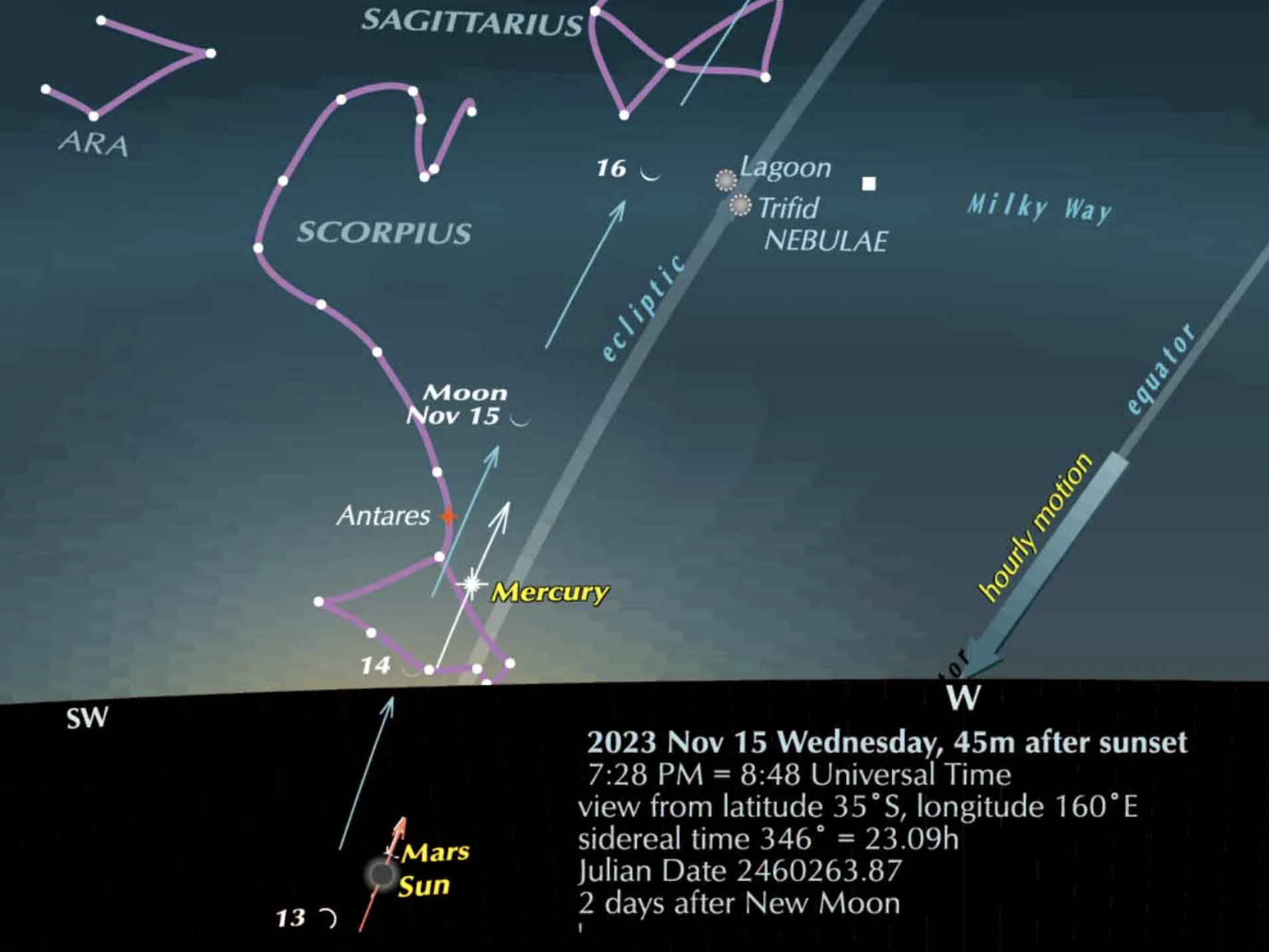
To get the best possible view of this event, timing and location will make all the difference. The cluster sits relatively low from southern latitudes, so early evening viewing is key before it dips too close to the horizon.
Helpful tips for better viewing:
- Look north shortly after sunset while the cluster is still higher in the sky
- Try to observe from a darker area away from city lights
- Use binoculars to improve your chances of spotting the cluster
- Allow your eyes time to adjust to the darkness
- Use a stargazing app to help locate Cancer and M44
Even if the cluster is difficult to see, the Moon itself will still provide an excellent viewing experience.
Turn your attention to the Moon
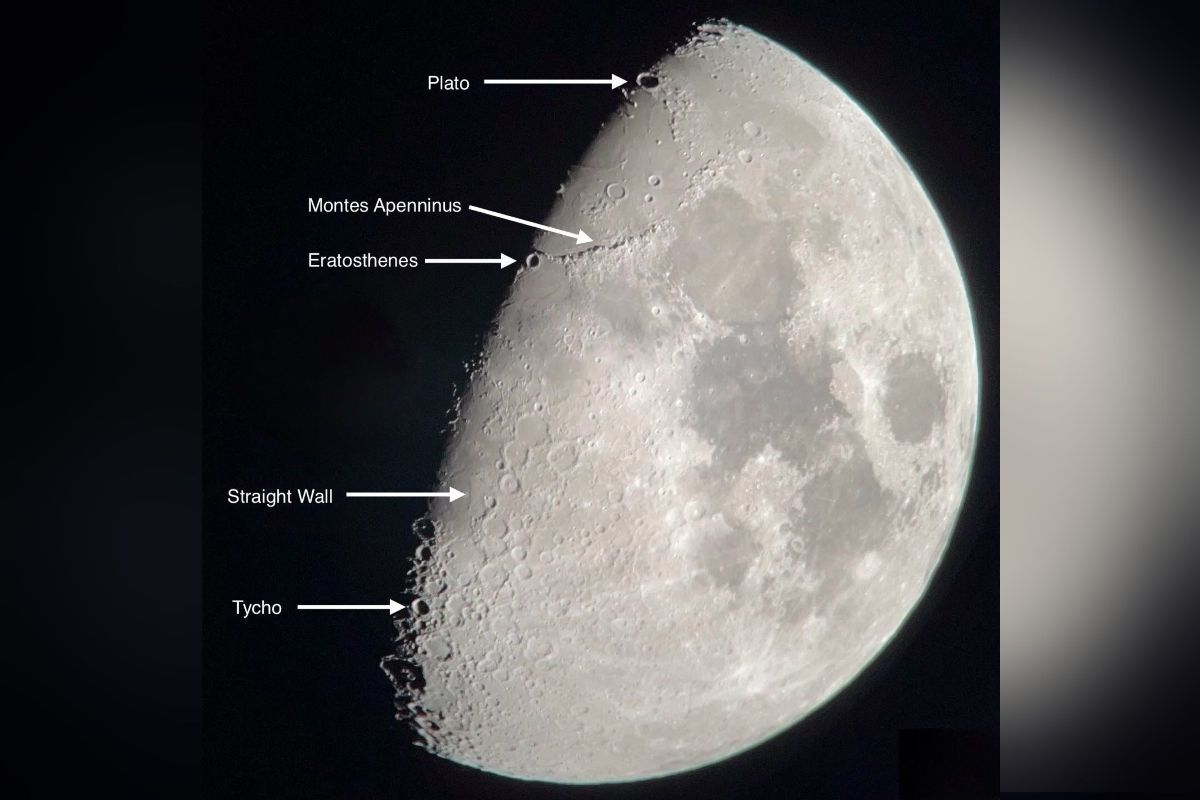
If the Beehive Cluster proves elusive, the waxing Moon offers plenty to explore. This phase is ideal for observing surface detail, as shadows along the terminator enhance the visibility of craters and ridges.
Two standout features to look for are the craters Copernicus and Tycho. Copernicus sits closer to the centre-left of the Moon’s visible surface, while Tycho lies further south, known for its bright rays extending outward.
Even a small telescope will reveal impressive detail, including dark lunar plains known as maria and rugged crater edges shaped by ancient impacts.
A quiet but rewarding night under the stars

While this may not be the most dramatic celestial event of the year, it offers a rewarding experience for those willing to take a closer look. The pairing of the waxing Moon and the Beehive Cluster highlights the contrast between our nearest celestial neighbour and a distant group of stars bound together by gravity.
For Cape Town observers, it is also a reminder that even events described for other parts of the world can still be enjoyed locally with a slight shift in perspective.
So if the skies are clear on March 27, take a moment to step outside, look north, and enjoy a peaceful encounter with the night sky.