When we look up at the night sky, we see countless stars scattered across the darkness. These glowing objects may appear small and delicate, but each one represents an enormous, powerful celestial body. Understanding what a star is helps explain not only what we see above us, but also how the universe itself functions.
At its core, a star is a massive, self-luminous sphere of hot gas, held together by gravity and powered by nuclear reactions deep within its interior. These reactions release staggering amounts of energy, allowing stellar objects to shine for millions or even billions of years.
How Stars Are Formed
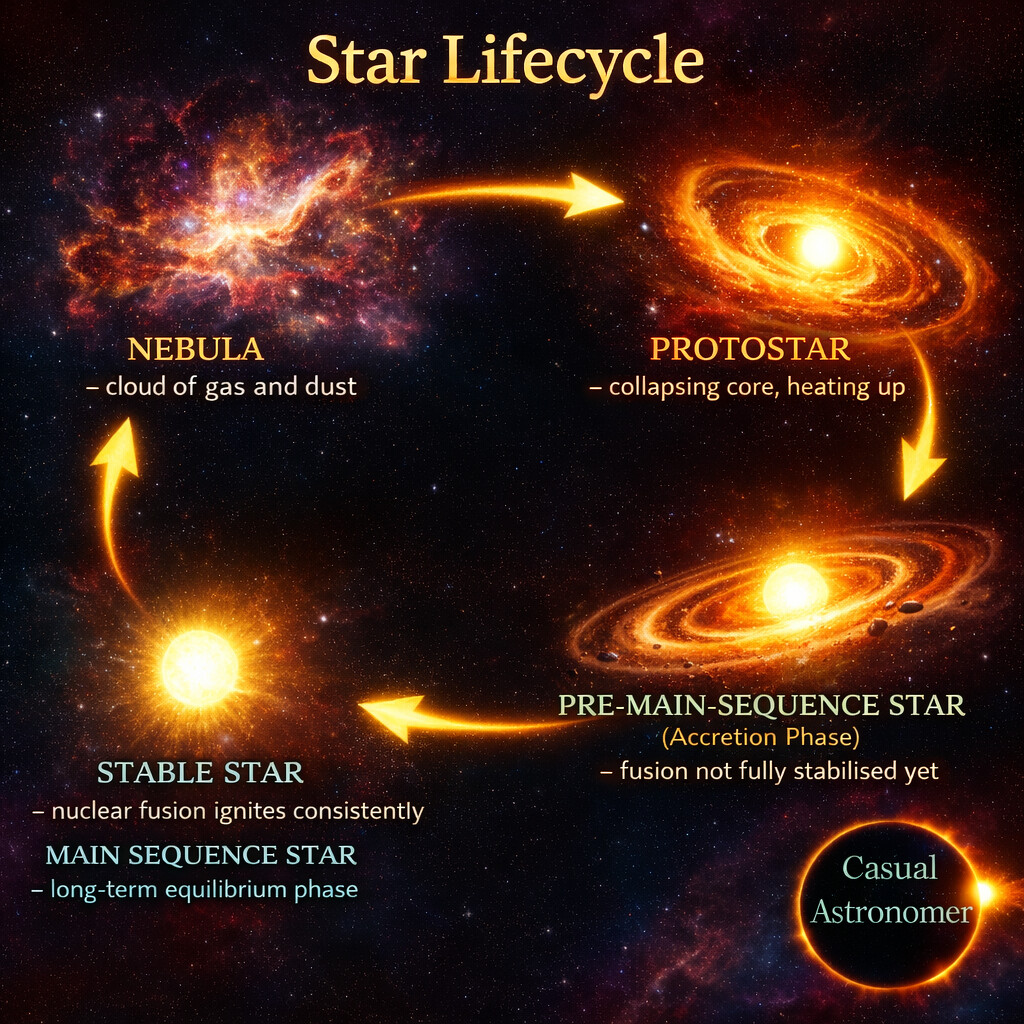
The life of a stellar body begins inside vast clouds of gas and dust known as nebulae. Over time, gravity pulls material within these clouds together, forming dense clumps. As one of these clumps grows larger, pressure and temperature increase at its centre.
Once the core becomes hot enough, nuclear fusion ignites. Hydrogen atoms begin to fuse into helium, releasing energy in the process. This moment marks the birth of a new sun-like object. From this point on, outward energy pressure balances gravity, creating a stable, long-lived phase.
Not all stellar births are equal. Some form as small, cool red dwarfs, while others grow into massive giants destined for dramatic ends.
What Are Stars Made Of?
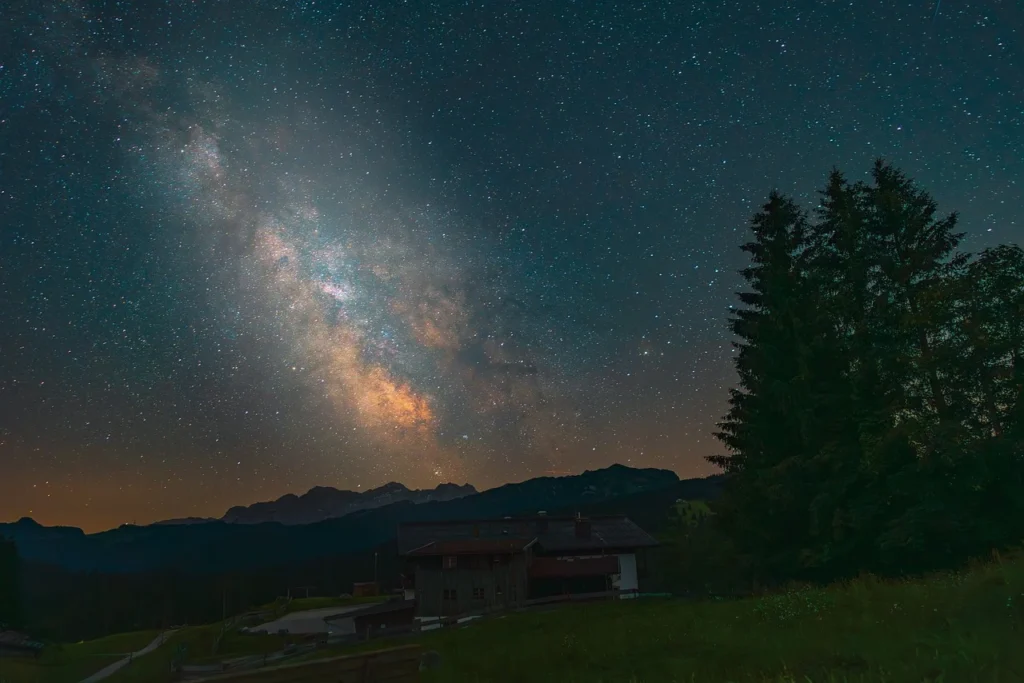
Despite their brilliance, stellar bodies are surprisingly simple in composition. Most are made primarily of hydrogen and helium, the two lightest elements in the universe. Trace amounts of heavier elements such as carbon, oxygen, and iron are also present, especially in younger generations.
The fusion process inside these objects gradually transforms lighter elements into heavier ones. In this way, stars act as cosmic factories, producing the building blocks needed for planets, moons, and even life itself.
Every atom of calcium in your bones and iron in your blood was forged long ago inside a distant stellar core.
How Stars Produce Light and Heat
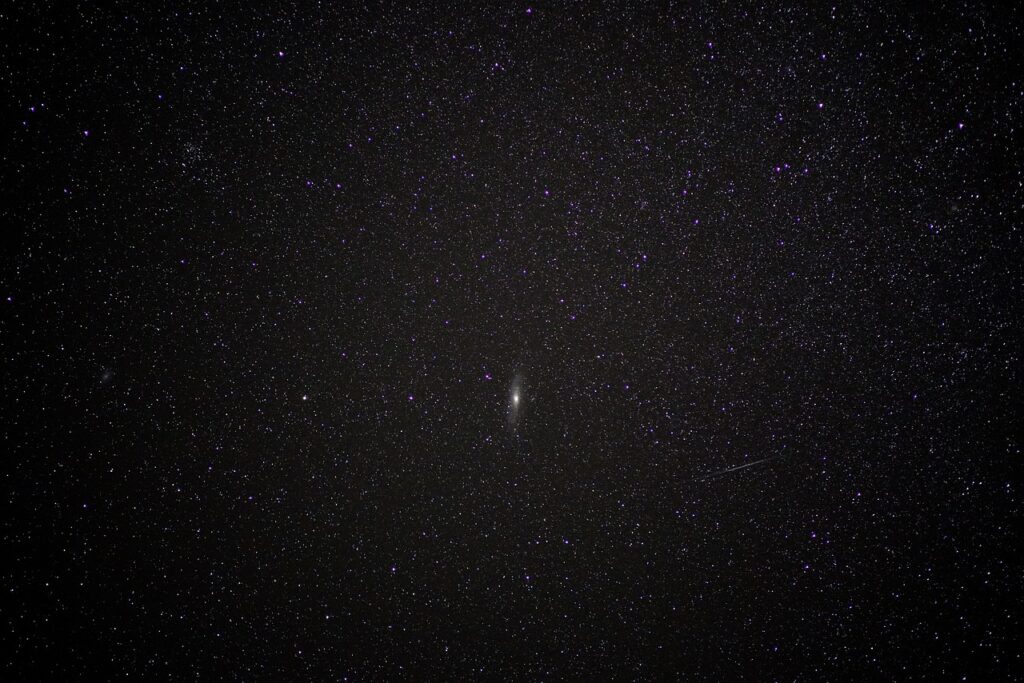
The energy that makes a star shine comes from nuclear fusion. In the core, immense pressure forces hydrogen nuclei to combine, releasing energy as light and heat. This energy travels outward through the star’s layers before escaping into space.
The balance between gravity pulling inward and energy pushing outward keeps the object stable for most of its life. When that balance changes, the star evolves, sometimes swelling into a giant or collapsing into a dense remnant.
This constant energy output is why these celestial objects can be seen across vast distances, even from other galaxies.
Different Types of Stars
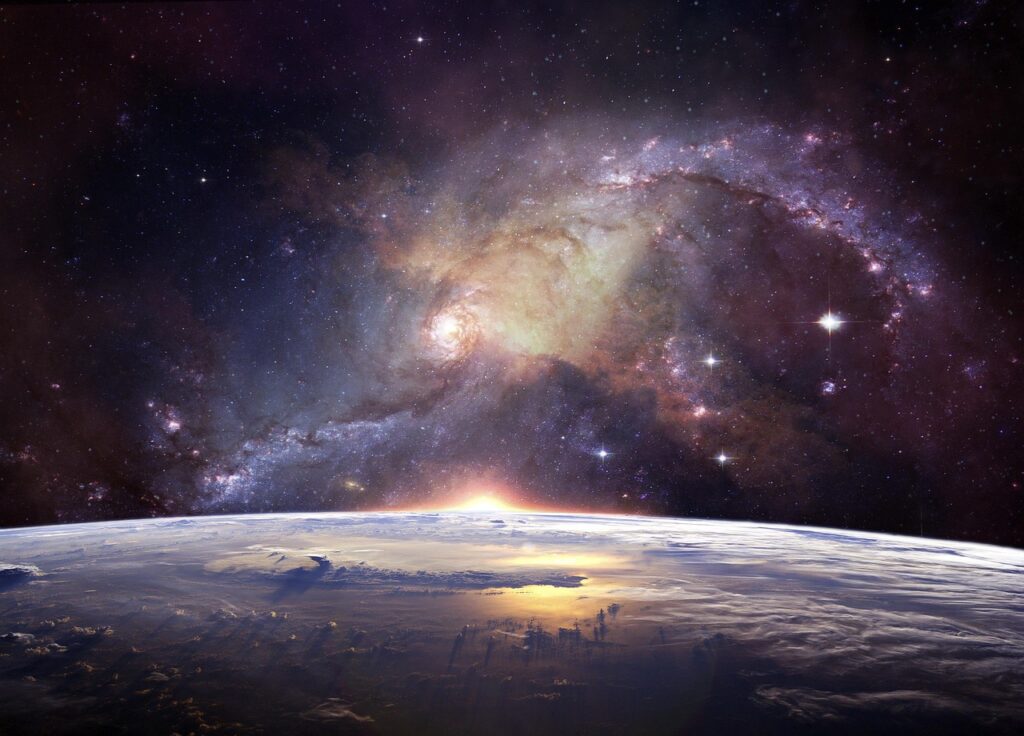
Not all stellar bodies are the same. Astronomers classify them based on size, temperature, colour, and brightness.
Some common categories include:
- Red dwarfs, which are small, cool, and extremely long-lived
- Yellow main-sequence stars, like our Sun, which burn steadily for billions of years
- Red giants and supergiants, enormous objects nearing the end of their lives
- Blue giants, hot and massive stars that burn fuel quickly
These differences determine how long a star lives and how it will eventually end.
The Life Cycle of a Star
The life of a stellar object follows a predictable pattern, shaped mainly by its mass. Smaller ones burn fuel slowly and may remain stable for trillions of years. Larger ones live fast and die young, sometimes ending in violent explosions.
As fuel runs low, changes occur in the core. The object may expand, cool, or collapse depending on its mass. Some end quietly, shedding outer layers and leaving behind dense remnants. Others explode, scattering material into space and triggering the formation of new stellar generations.
In this way, stars are both creators and recyclers within the universe.
Why Stars Matter to the Universe
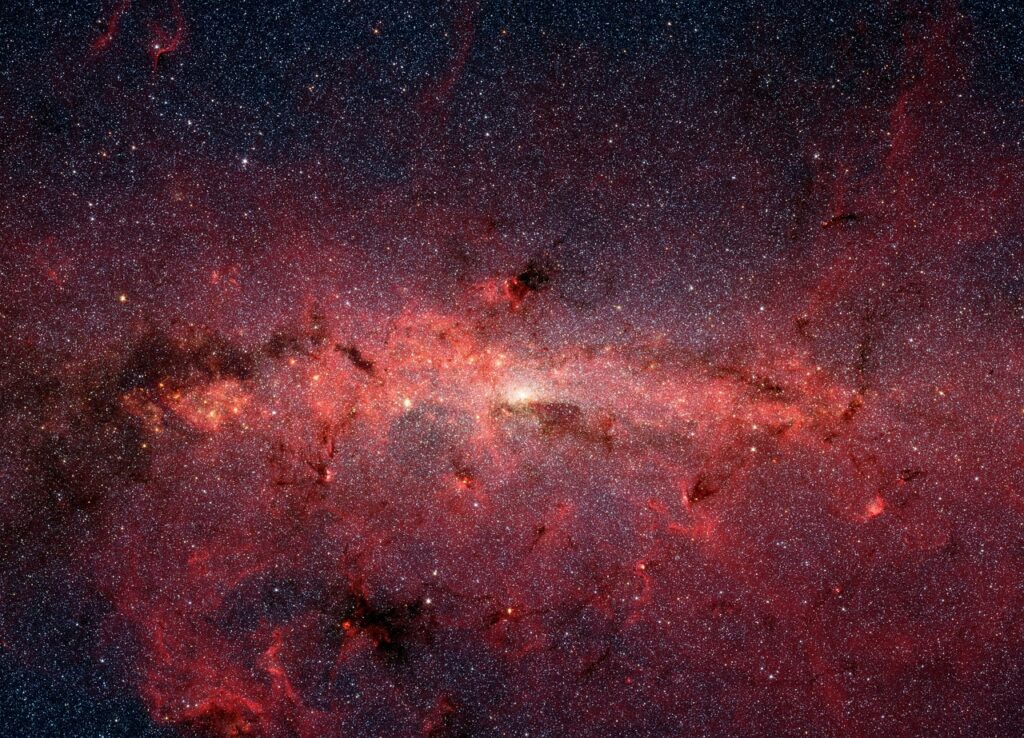
Without stellar bodies, the universe would be dark, cold, and lifeless. They provide light, heat, and the chemical elements necessary for planets and life to exist. Their gravity shapes galaxies, and their deaths enrich space with heavier elements.
They also serve as cosmic timekeepers. By studying how different stars behave, astronomers can determine the age of galaxies, measure distances across space, and understand how the universe has evolved.
Every major astronomical discovery, from exoplanets to black holes, is connected in some way to the study of these luminous giants.
Our Place Among the Stars
Earth orbits a single, ordinary example of a star, yet that relationship makes life possible. The Sun’s steady output of energy creates the conditions needed for oceans, atmosphere, and living organisms.
When we study stars elsewhere in the cosmos, we are ultimately learning more about our own origins. The universe is not separate from us; it is the source of everything we are made of.
Each point of light in the night sky represents a chapter in a much larger story, one that continues to unfold with every observation.