Astronomers at the Gemini North Telescope are closely tracking a rare visitor known as Comet 3I/ATLAS, only the third confirmed interstellar object ever observed passing through our solar system. Unlike typical comets that originate within our own system, this object comes from beyond, following a trajectory that confirms it is not bound to the Sun.
Recent telescope images show that 3I/ATLAS is becoming noticeably brighter and is developing a green glow as it reacts to increasing solar heat. This change is drawing attention from scientists studying how objects from other star systems behave when exposed to our Sun.
Why Comet 3I/ATLAS is special
Comet 3I/ATLAS was first detected in mid-2025 and quickly stood out due to its high speed and unusual path through the solar system. These characteristics revealed that it originated far beyond our planetary neighbourhood.
Previous interstellar visitors behaved very differently. One showed no visible comet activity, while another behaved like a more traditional comet. 3I/ATLAS appears to fall closer to the latter category, producing a visible coma and tail as it warms, while still retaining traits that make it scientifically unique.
What causes the green glow
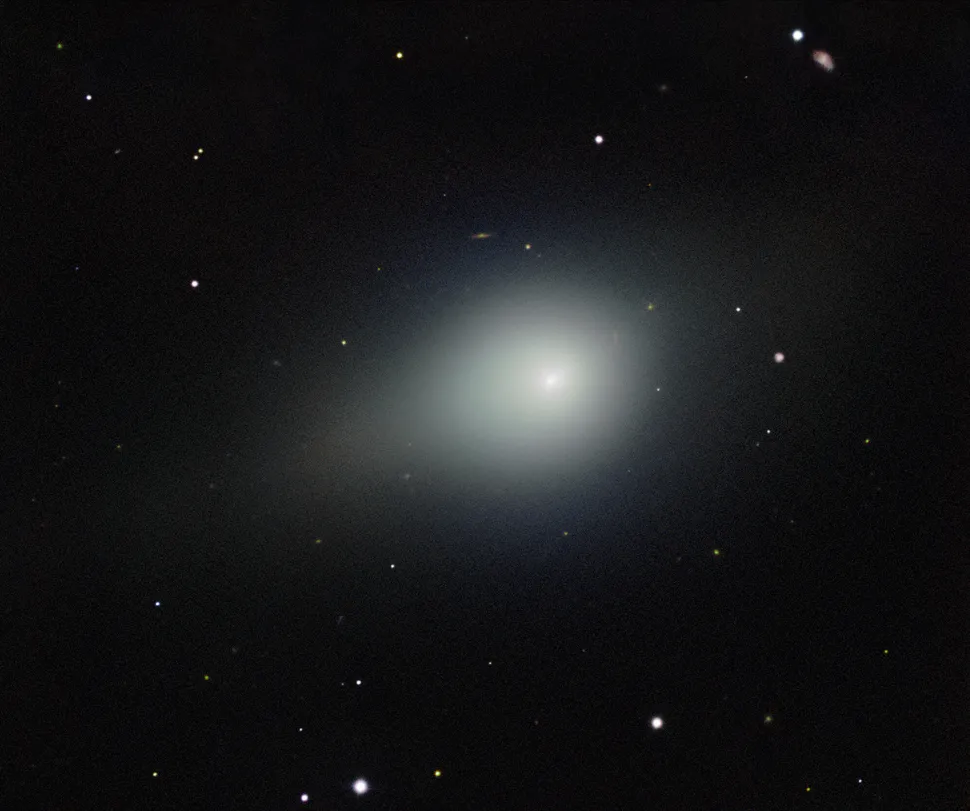
As the comet moves closer to the Sun, frozen materials on its surface begin to sublimate, turning directly from solid ice into gas. This process releases clouds of gas and dust that form the glowing coma around the nucleus.
The green colour detected by the Gemini North Telescope comes from carbon-based molecules that emit green light when energized by sunlight. This effect is common in many comets, but seeing it in an interstellar object offers valuable insight into the chemistry of material formed around other stars.
How close will it come to Earth
Comet 3I/ATLAS will make its closest approach to Earth in mid-December 2025. Even at its nearest point, it will remain far beyond the orbit of Mars and poses no risk to our planet.
Because of its distance and size, the comet will not be visible to the naked eye. Observations are being carried out using powerful ground-based telescopes capable of detecting faint objects across vast distances.
Why scientists are watching closely
Each interstellar object provides a rare opportunity to study material that formed outside our solar system. By analysing changes in brightness, gas release, and composition, scientists can compare these findings with comets that originated closer to home.
This helps researchers better understand how planetary systems form and evolve throughout the galaxy. Even subtle changes in activity can reveal important clues about conditions in distant star systems.
A rare cosmic visitor passing through
Although Comet 3I/ATLAS will not become a bright sky spectacle, its journey through our solar system is scientifically significant. Its green glow and increasing activity offer a brief window into the chemistry and structure of material from another star.
As it continues on its path and eventually exits the solar system, observations made now will help expand our understanding of the wider universe and the objects that travel between the stars.