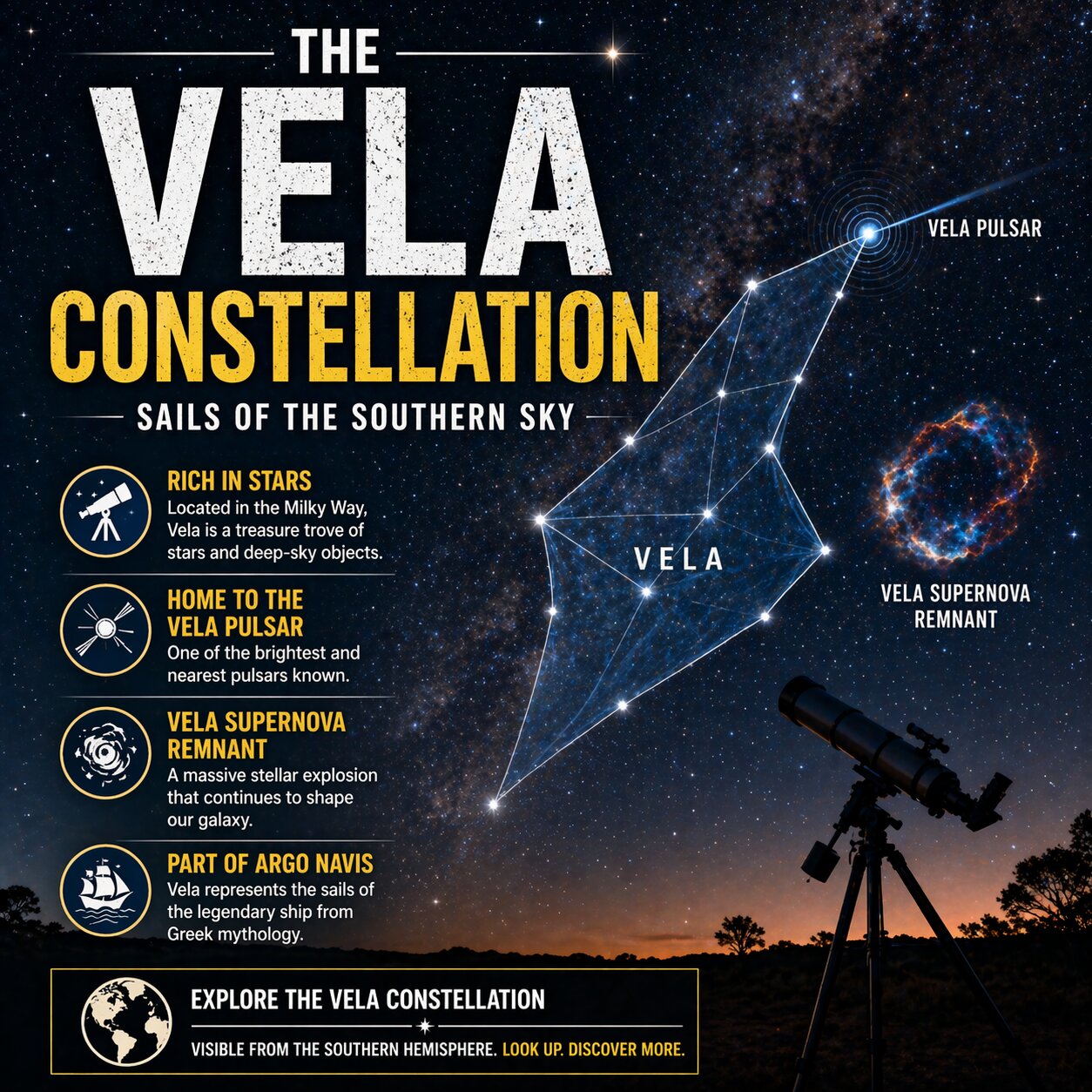

The Vela constellation is one of the most fascinating regions of the night sky, especially for observers in the Southern Hemisphere. Visible from locations like South Africa, this constellation offers a rich field of stars, deep-sky objects, and cosmic phenomena that continue to captivate astronomers and enthusiasts alike.
Originally part of the much larger Argo Navis constellation, the Vela constellation represents the sails of the mythical ship. Over time, this massive constellation was divided into smaller sections, with Vela becoming one of the most prominent and accessible segments.
Vela lies along the Milky Way, making it an excellent target for stargazing. Its dense star fields and unique objects provide plenty of opportunities for both casual observers and serious astronomers.
Whether you are using the naked eye or a telescope, the Vela constellation offers a rewarding experience filled with discovery.
The history and mythology behind the Vela constellation
The origins of the Vela constellation are deeply tied to ancient mythology. As part of Argo Navis, it represents the sails of the legendary ship used by Jason and the Argonauts in Greek mythology.
In earlier star charts, Argo Navis was considered a single, enormous constellation. However, due to its size and complexity, it was later divided into three parts: Carina, Puppis, and the Vela constellation. This division made it easier for astronomers to map and study the stars.
The Vela constell. retained its identity as the sails, symbolising movement, exploration, and the journey across unknown waters. These themes continue to resonate with modern stargazers.
Today, the Vela constellation stands as a reminder of both ancient storytelling and the evolution of astronomical science.
Notable stars and objects in the Vela constellation
The Vela constellation is home to several remarkable celestial objects that make it a must-see for observers. Among its highlights is the famous Vela Pulsar, a neutron star that emits regular pulses of radiation and provides valuable insights into stellar evolution.
Another key feature of the Vela constell. is its abundance of open star clusters. These clusters create stunning visual displays, particularly when viewed through binoculars or a telescope.
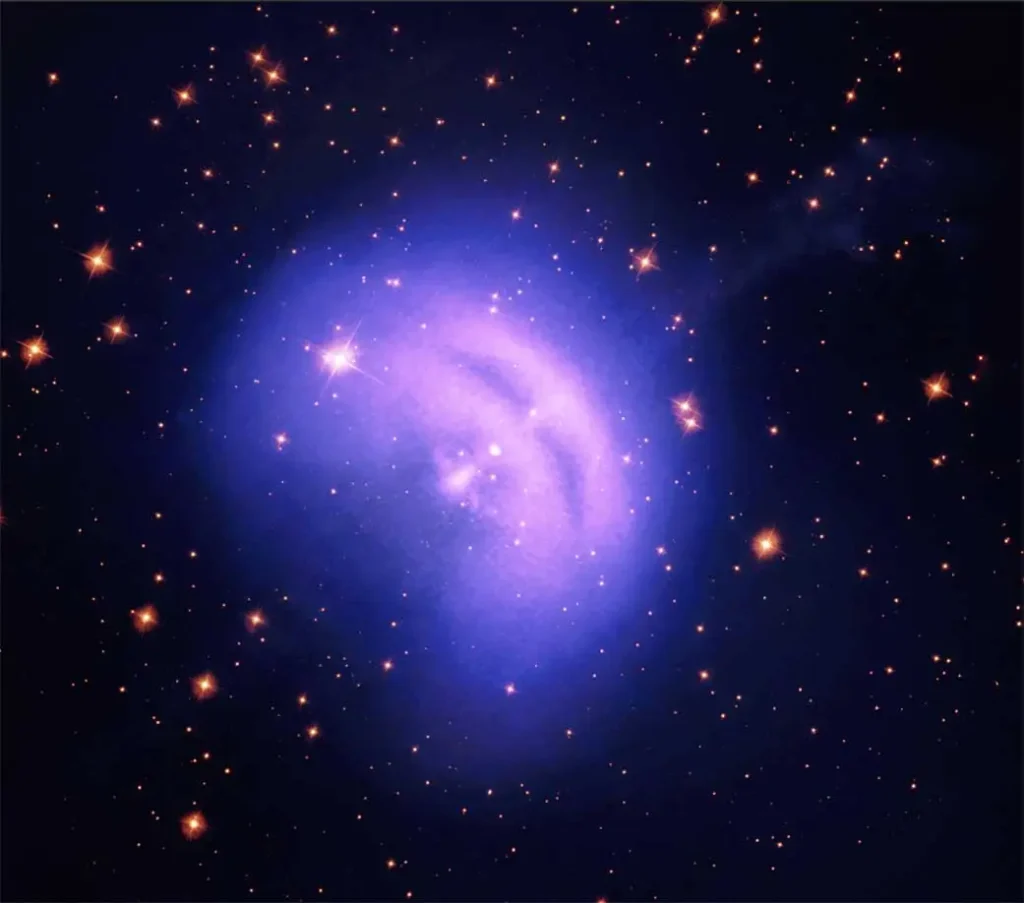
The region also contains parts of the Vela Supernova Remnant, a vast structure formed by the explosion of a massive star. This remnant is a significant area of study for astronomers interested in the life cycle of stars.
Thanks to its position within the Milky Way, the Vela constellation offers a dense and vibrant section of the sky filled with cosmic activity.
How to locate the Vela constellation
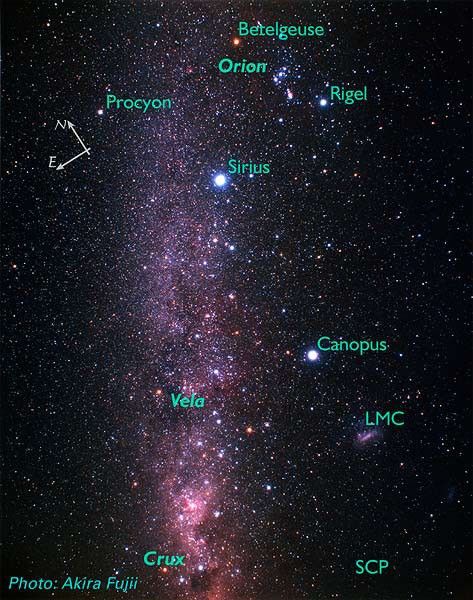
Finding the Vela constellation is relatively straightforward for observers in the Southern Hemisphere. It is best viewed during the late summer and autumn months, when it rises higher in the night sky.
One of the easiest ways to locate the Vela constellation is by using nearby constellations as reference points. It sits close to Carina and Puppis, forming part of the same celestial region once known as Argo Navis.
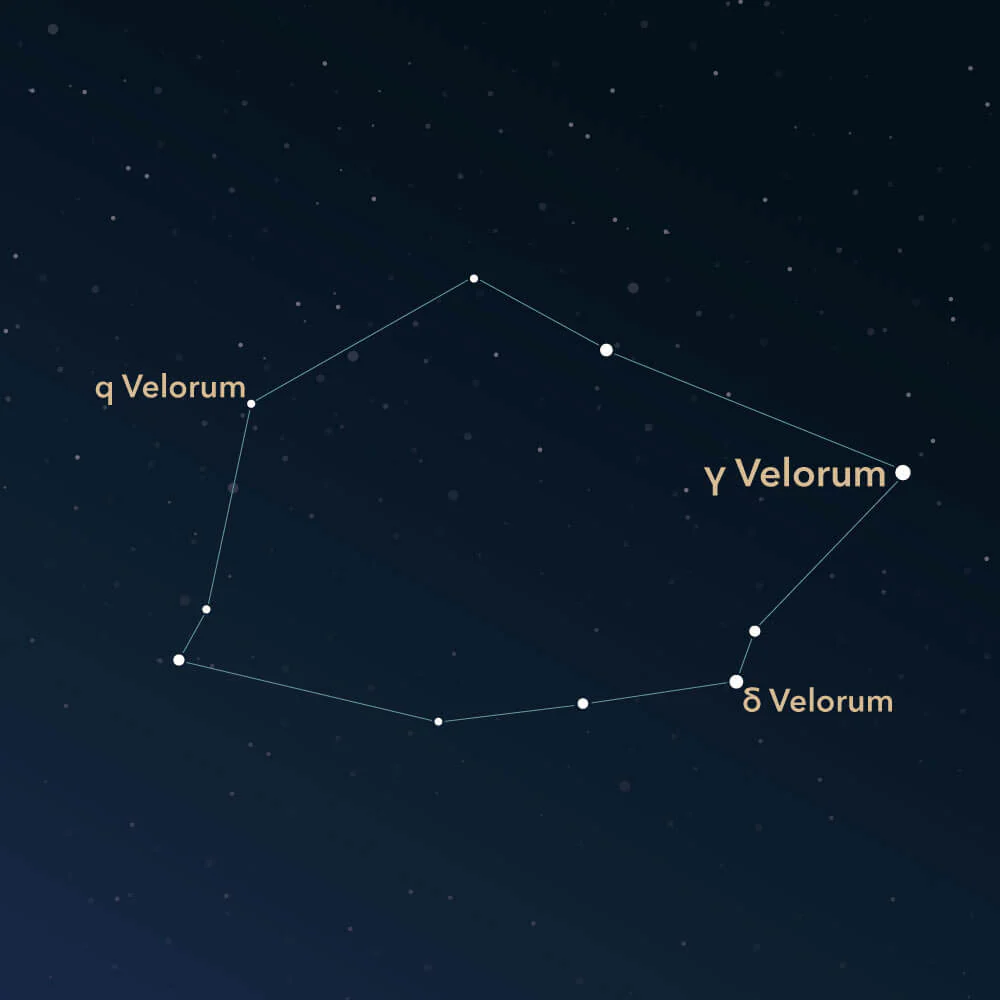
Look for a patch of the Milky Way that appears rich with stars. Within this area, the Vela constellation can be identified by its distinct grouping of stars that form the outline of sails.
Using a star map or astronomy app can make it even easier to pinpoint the exact location of the Vela constellation in the sky.
Key facts about the Vela constellation
Here are some important details about the Vela constellation that every stargazer should know:
- The Vela constellation represents the sails of the Argo Navis
- It is best viewed from the Southern Hemisphere
- The Vela Pulsar is one of its most popular objects
- It contains parts of a massive supernova remnant
- The constellation lies within the Milky Way’s dense star fields
- It was officially recognised as a separate constellation in the 18th century
These facts highlight why the Vela constellation remains a favourite among astronomers.
Why the Vela constellation is worth exploring
The Vela constellation offers a unique combination of history, mythology, and scientific significance. Its connection to the ancient Argo Navis adds depth to its story, while its celestial features provide endless opportunities for exploration.
For amateur astronomers, the Vela constellation is an excellent target due to its visibility and rich star fields. For professionals, it continues to be a source of valuable data and discovery.
As you explore the southern skies, the Vela constellation stands out as a region filled with wonder and mystery. It invites you to look deeper, learn more, and appreciate the vastness of the universe.
Whether you are just starting your journey or expanding your knowledge, the Vela constellation is a destination that should not be missed.