What is a galaxy?
A galaxy is a massive system of stars, planets, gas, dust, and dark matter held together by gravity. Galaxies can contain millions to trillions of stars and evolve over billions of years.
A galaxy is a massive family of stars, planets, gas, dust, and dark matter, all held together by gravity. Every star you see in the night sky belongs to a galaxy, including our home, the Milky Way. Galaxies are not small collections. They contain millions to trillions of stars, along with everything that forms and moves around them. This is a simple answer to what is a galaxy.
To put it casually, if stars were houses, a galaxy would be an entire city. Not just one neighbourhood, but a vast, structured system with roads, districts, and a long history shaped by gravity and time.
What makes something a galaxy and not just a star cluster?
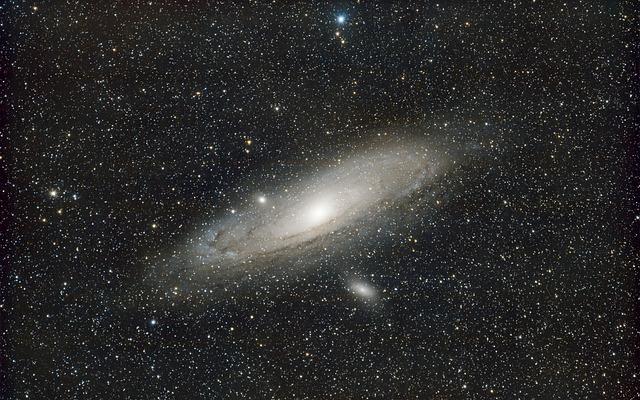
What is a galaxy? What makes it a galaxy? Not every group of stars is a galaxy. The key difference is gravity and scale. A galaxy has enough mass for gravity to dominate its structure, keeping stars, gas, and dark matter bound together for billions of years.
Star clusters are much smaller and lack large amounts of dark matter. Galaxies, on the other hand, are wrapped in enormous dark matter halos that act like invisible scaffolding, giving them stability and shape. Without dark matter, galaxies as we know them would not exist.
The main types of galaxies you’ll find in the universe
Galaxies come in several main shapes, each shaped by their history and environment. Spiral galaxies have rotating arms filled with stars and nebulae, often rich in star formation. Elliptical galaxies are smoother and rounder, typically older and quieter, with little new star birth. Irregular galaxies lack a defined shape, usually because of past collisions or strong gravitational interactions.
These shapes are not just visual categories. They tell astronomers what is a galaxy, how a galaxy is formed, how violently it evolved, and whether it is still creating new stars today.
What lives inside a galaxy?
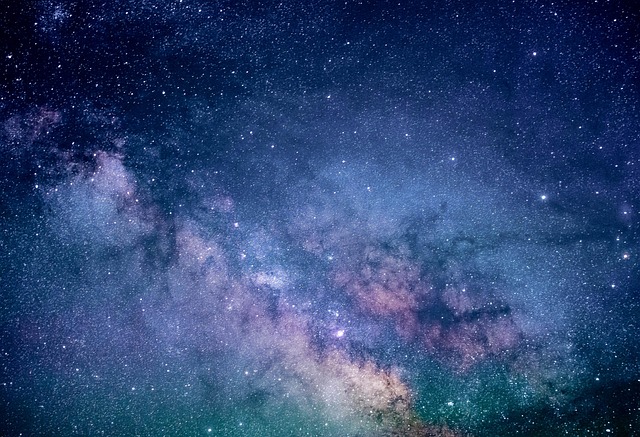
A galaxy contains far more than stars. It includes planetary systems, nebulae, stellar remnants like white dwarfs and neutron stars, and often a supermassive black hole at its centre. The Milky Way’s central black hole, Sagittarius A*, has a mass millions of times greater than the Sun.
Gas and dust clouds within galaxies are stellar nurseries, where new stars form over millions of years. At the same time, older stars slowly die, enriching the galaxy with heavier elements. A galaxy is a constantly evolving ecosystem, not a static object.
Galaxies on a cosmic scale
When learning what is a galaxy, you need to know that galaxies do not exist alone. They group together into galaxy groups, clusters, and even superclusters, forming a vast cosmic web across the universe. Gravity pulls galaxies toward one another, leading to mergers and collisions that reshape them over time.
When galaxies collide, stars usually pass by each other safely due to the vast distances involved. However, gas clouds interact violently, triggering bursts of star formation and sometimes feeding central black holes. These events are some of the most dramatic processes in the universe.
The scientific definition of a galaxy (going deeper)
From a scientific perspective, a galaxy is a gravitationally bound system dominated by dark matter, containing stars, interstellar gas, dust, and stellar remnants. The presence of dark matter is critical. Observations of galaxy rotation curves show that visible matter alone cannot explain how galaxies hold together.
Galaxies form within dark matter halos shortly after the Big Bang. Over time, gas falls into these halos, cools, and forms stars. Feedback from supernovae and black holes regulates star formation, preventing galaxies from growing uncontrollably. This balance between gravity, energy, and matter defines modern galaxy evolution theory and is supported by both observation and simulation.
Why galaxies matter
Understanding what a galaxy is helps astronomers answer much bigger questions. Galaxies are the building blocks of the universe’s large-scale structure. By studying them, scientists learn how matter behaves, how stars and planets form, and how the universe evolved from a hot, dense beginning to the complex cosmos we see today.
Every image of a distant galaxy is also a look back in time. Because light takes time to travel, observing galaxies billions of light-years away shows the universe as it was billions of years ago.
Final thoughts: What is a galaxy, really?
What is a galaxy? Well, a galaxy is not just a collection of stars. It is a long-lived, gravity-driven system shaped by dark matter, time, and cosmic events. From a casual stargazer’s perspective, galaxies are beautiful islands of light. From a scientific perspective, they are fundamental laboratories for understanding the universe itself.
Whether you are looking up at the Milky Way or studying deep-space images, you are seeing one small part of a much larger cosmic story, written across billions of galaxies.