A nebula is one of the most fundamental and visually striking structures in astronomy. Found throughout galaxies, a nebula is a vast cloud of gas and dust that plays a critical role in the life cycle of stars. Some nebulae mark the birthplaces of new stars, while others are the remnants left behind after stars die in dramatic explosions.
For centuries, nebulae puzzled astronomers. Early telescopes revealed faint, cloudy patches in the sky that could not be resolved into stars. Today, thanks to advanced observatories, a nebula is understood as an active, dynamic structure shaped by gravity, radiation, and stellar evolution.
Understanding what a nebula is helps explain how stars form, how galaxies evolve, and how the chemical elements necessary for planets and life are distributed across the universe.
What is a nebula?
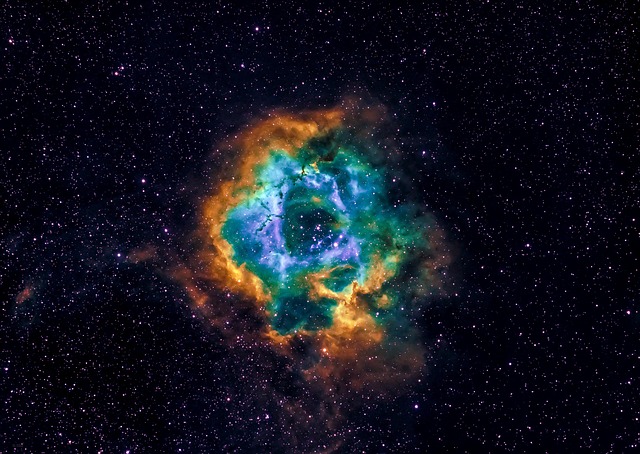
In astronomy, a nebula is a large cloud of interstellar gas and dust. The gas is primarily hydrogen and helium, with trace amounts of heavier elements such as oxygen, carbon, and nitrogen. Dust grains within a nebula are made of microscopic particles of silicates, carbon compounds, and ice.
A nebula exists within the interstellar medium, the material that fills the space between stars. Although nebulae appear dense in images, they are extremely diffuse compared to anything on Earth. Even the densest regions of a nebula would be considered a near vacuum by terrestrial standards.
Despite this low density, a nebula can span dozens or even hundreds of light-years, containing enough material to form entire generations of stars.
How nebulae form
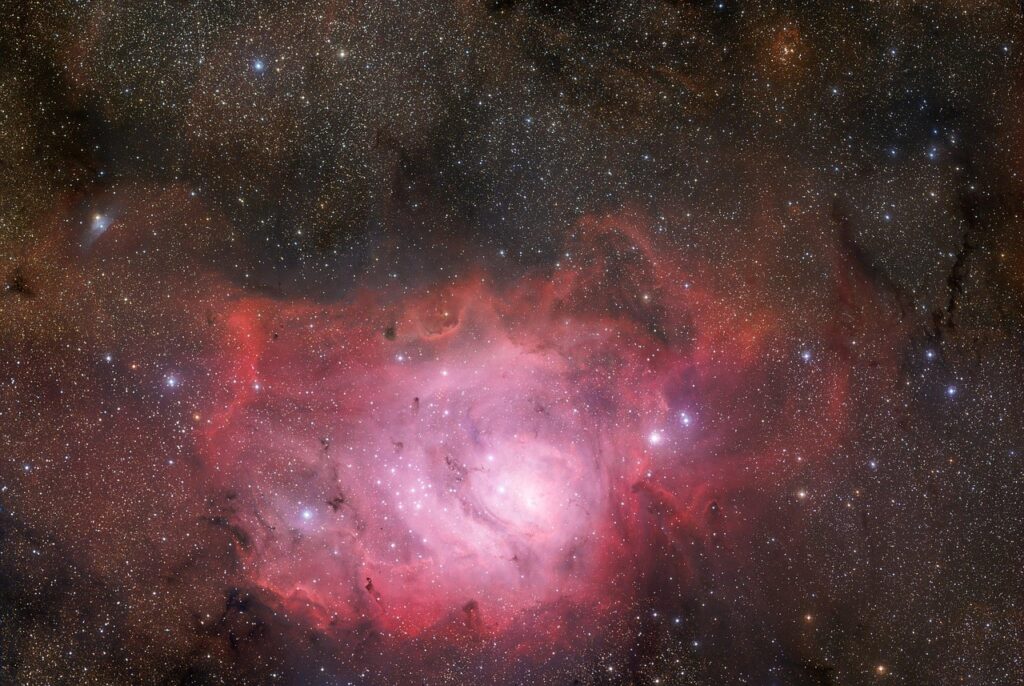
A nebula can form through several different cosmic processes, depending on its type and origin.
Some nebulae form when gravity causes interstellar gas and dust to clump together over time. These regions become increasingly dense, eventually collapsing to form new stars. Other nebulae are created when stars shed material during the later stages of their lives, releasing gas into surrounding space.
The most dramatic nebulae form after supernova explosions. When a massive star explodes, it ejects vast amounts of material outward, creating an expanding nebula rich in heavy elements forged inside the star.
In every case, a nebula represents recycled cosmic material, linking the death of old stars to the birth of new ones.
Major types of nebulae
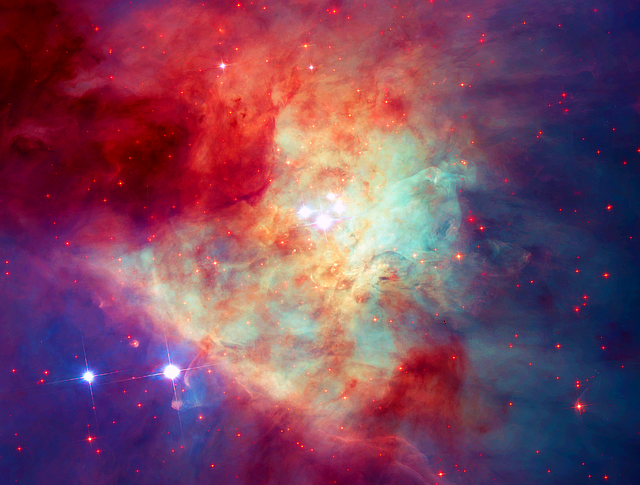
Astronomers classify nebulae based on how they interact with light and how they are formed. Each type of nebula reveals different physical processes at work.
Emission nebulae
An emission nebula glows because its gas is energized by nearby hot stars. Ultraviolet radiation strips electrons from hydrogen atoms, causing the gas to emit light as the electrons recombine. These nebulae often appear red due to hydrogen emission.
Reflection nebulae
A reflection nebula does not emit its own light. Instead, it reflects and scatters light from nearby stars. These nebulae often appear blue, as shorter wavelengths scatter more efficiently.
Dark nebulae
A dark nebula is dense enough to block light from objects behind it. Rather than glowing, it appears as a dark silhouette against brighter regions of space. Dark nebulae often contain the raw material for future star formation.
Planetary nebulae
A planetary nebula forms when a dying star expels its outer layers into space. Despite the name, these nebulae have nothing to do with planets. They represent a brief but important phase in the evolution of sun-like stars.
Supernova remnants
A supernova remnant is the expanding debris cloud left behind after a supernova explosion. These nebulae are rich in heavy elements and play a key role in enriching the interstellar medium.
The role of a nebula in star formation
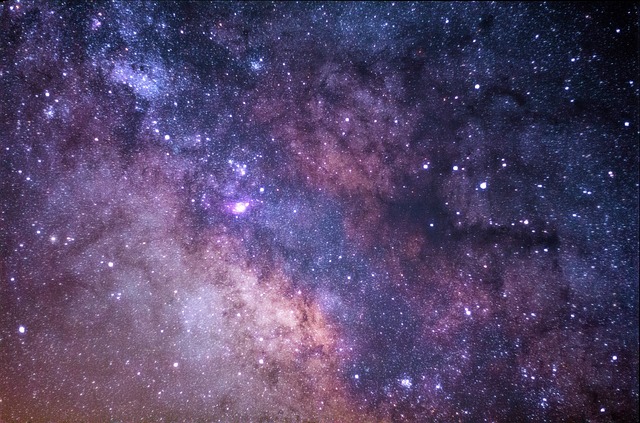
One of the most important roles of a nebula is star formation. Within cold, dense regions of a nebula, gravity can overcome internal pressure, causing material to collapse into protostars.
As these protostars grow, they heat up and begin nuclear fusion, becoming full-fledged stars. Radiation and stellar winds from these young stars then shape the surrounding nebula, carving cavities and triggering further star formation nearby.
This feedback process means a nebula is not just a passive cloud, but an active environment where stars influence their own birthplaces.
Why nebulae look different in images
Images of a nebula often appear vividly coloured, but these colours do not always represent what the human eye would see. Many nebula images use false colour techniques to highlight specific gases or wavelengths of light.
Different elements emit light at specific wavelengths, allowing astronomers to map temperature, composition, and motion within a nebula. Infrared observations can reveal star-forming regions hidden behind dust, while X-ray observations can show shock waves from stellar explosions.
These imaging techniques turn a nebula into a powerful scientific tool rather than just a visual spectacle.
Why nebulae matter in astronomy
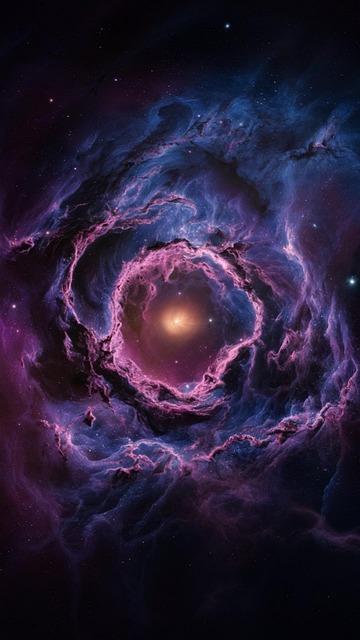
A nebula is essential to understanding the evolution of the universe. Nebulae act as both the birthplaces and graveyards of stars, linking multiple generations of stellar evolution.
By studying a nebula, astronomers can:
- Trace how elements are recycled through galaxies
- Observe star formation in real time
- Test models of gravity and radiation
- Understand how planetary systems may form
Many of the elements found in planets, and even in living organisms, were once processed inside stars and later dispersed through nebulae.
Nebulae and our place in the universe
Every atom heavier than hydrogen in the human body was forged inside stars and distributed through space by nebulae. In this sense, nebulae are not distant, abstract objects, but part of the same cosmic story that led to planets, life, and observers capable of studying the universe.
Understanding what a nebula is provides insight into how matter cycles through space and how the universe continuously reshapes itself over billions of years.