

The Polaris star, often called the North Star, has guided travellers, explorers, and astronomers for centuries. Known for its steady position in the night sky, Polaris serves as a reliable point of reference for navigation and a fascinating subject for anyone interested in astronomy.
What is the Polaris star?
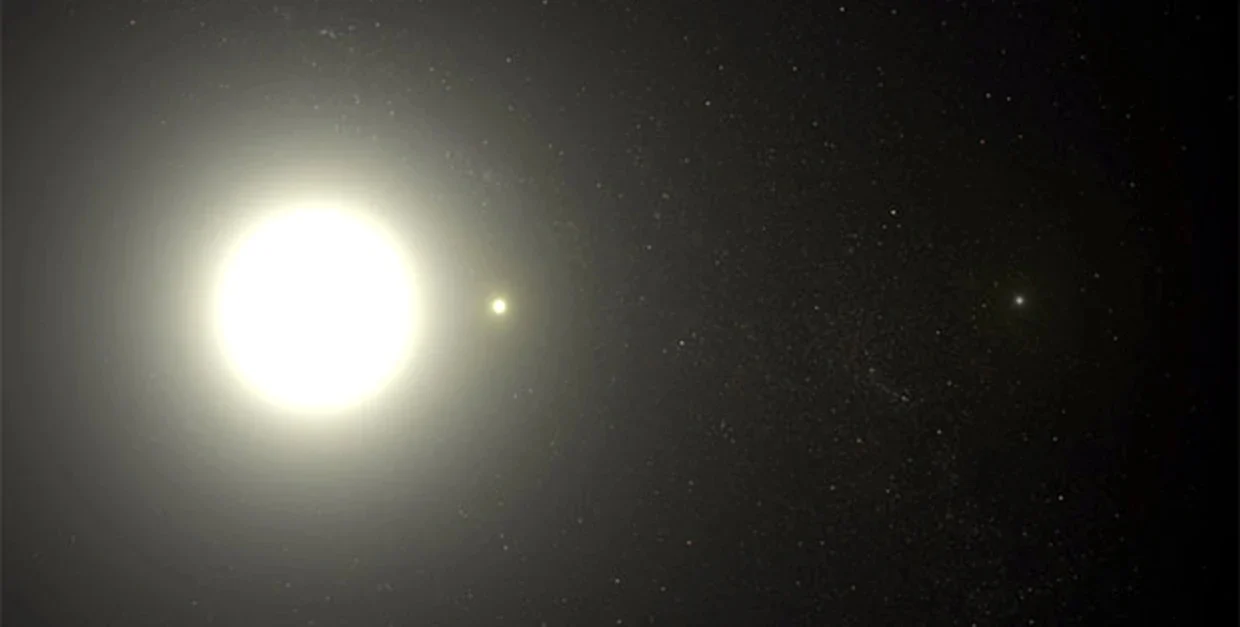
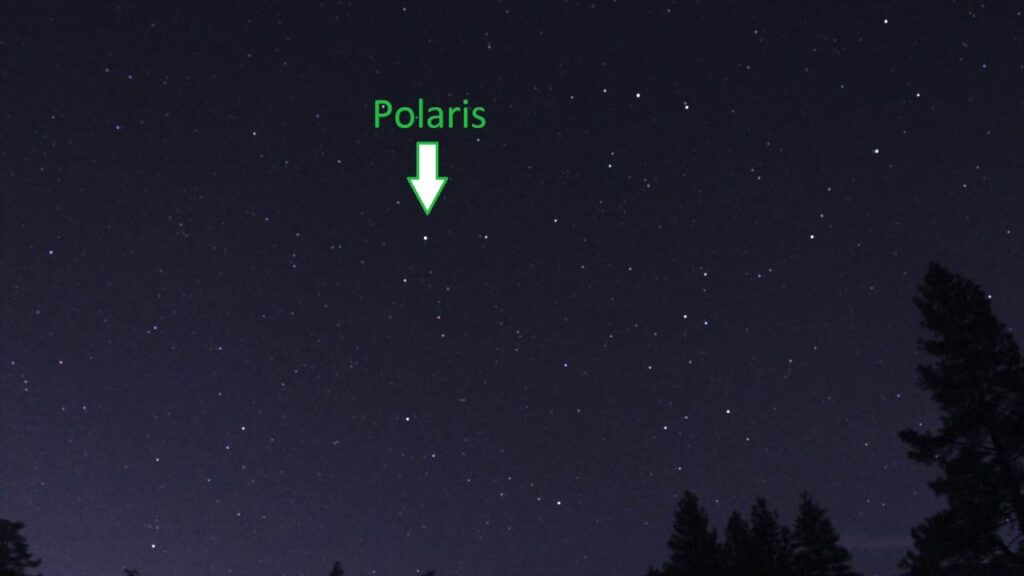
The Polaris star is a bright star located almost directly above Earth’s North Pole. Because of this position, it appears nearly fixed in the sky while other stars seem to move around it throughout the night.
Polaris is part of the constellation Ursa Minor, also known as the Little Dipper. It sits at the end of the handle, making it relatively easy to identify once you know where to look.
In reality, Polaris is not just a single star but a multiple-star system. The main star, Polaris A, is a supergiant, accompanied by smaller companion stars that orbit it.
Despite not being the brightest star in the sky, its importance comes from its position rather than its brightness.
Why Polaris is called the North Star
The Polaris star is known as the North Star because it lies almost directly in line with Earth’s axis of rotation. This means it stays in nearly the same position in the sky while the rest of the stars appear to rotate around it.
For observers in the Northern Hemisphere, Polaris marks true north. This makes it incredibly useful for navigation, especially before the invention of modern tools like GPS.
Sailors, travellers, and even ancient civilisations relied on Polaris to determine direction. By locating the star, they could orient themselves and travel with confidence, even across vast and unfamiliar landscapes.
This unique positioning is what gives Polaris its enduring significance in both science and history.
How to find the Polaris star in the sky

Finding the Polaris star is easier than you might think, especially if you know how to use nearby constellations as guides.
The most common method involves locating the Big Dipper, part of the constellation Ursa Major. The two stars at the edge of the Big Dipper’s bowl point directly toward Polaris.
Once you follow that line upward, you will find Polaris shining steadily in the sky. Unlike other stars that appear to move, Polaris remains almost stationary, making it easy to confirm you have found it.
This method has been used for generations and remains one of the simplest ways to navigate the night sky.
Key facts about the Polaris star
The Polaris star is full of interesting characteristics that make it stand out beyond its navigational role.
Here are some key facts:
- Located approximately 433 light-years from Earth
- Part of a multiple star system
- A yellow-white supergiant star
- Not the brightest star in the night sky
- Appears nearly stationary due to its alignment with Earth’s axis
These details highlight that Polaris is not just a guidepost, but also an intriguing object of study in astronomy.
The importance of Polaris in astronomy and navigation

The Polaris star has played a vital role in human history. Long before modern navigation systems, it served as a dependable guide for explorers travelling across land and sea.
In astronomy, Polaris helps illustrate how Earth rotates. The apparent motion of stars around Polaris provides a clear visual demonstration of our planet’s rotation on its axis.
It is also used in basic observational astronomy. Beginners often start with Polaris because it is easy to locate and provides a stable reference point for learning the night sky.
Even today, Polaris remains an essential part of both educational and practical astronomy.
A guiding light through history and science
The Polaris star continues to capture the imagination of people around the world. From ancient navigation to modern astronomy, its steady presence in the sky has made it one of the most important stars we know.
Whether you are just starting your journey into astronomy or deepening your understanding of the cosmos, Polaris offers a perfect place to begin. It is more than just a star, it is a constant reminder of how we find our place in the universe.